Throwing Elbow & Medial UCL Injury
Overview
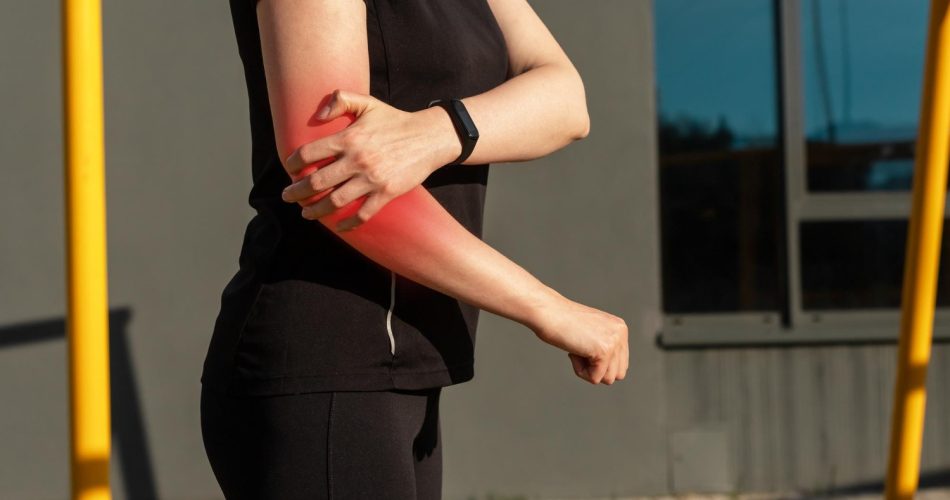
The overhead throwing motion generates extreme tensile forces on the medial side of the elbow (valgus stress) and compressive forces on the lateral side (radiocapitellar compression) during the acceleration phase. Elite baseball pitchers subject the medial ulnar collateral ligament (MUCL) to forces approaching or exceeding its tensile strength on every throw, making UCL insufficiency the most important and career-threatening elbow injury in throwing athletes. The same spectrum of injury applies to javelin throwers, cricket fast bowlers, tennis players, and quarterbacks.
Medial UCL Anatomy & Function
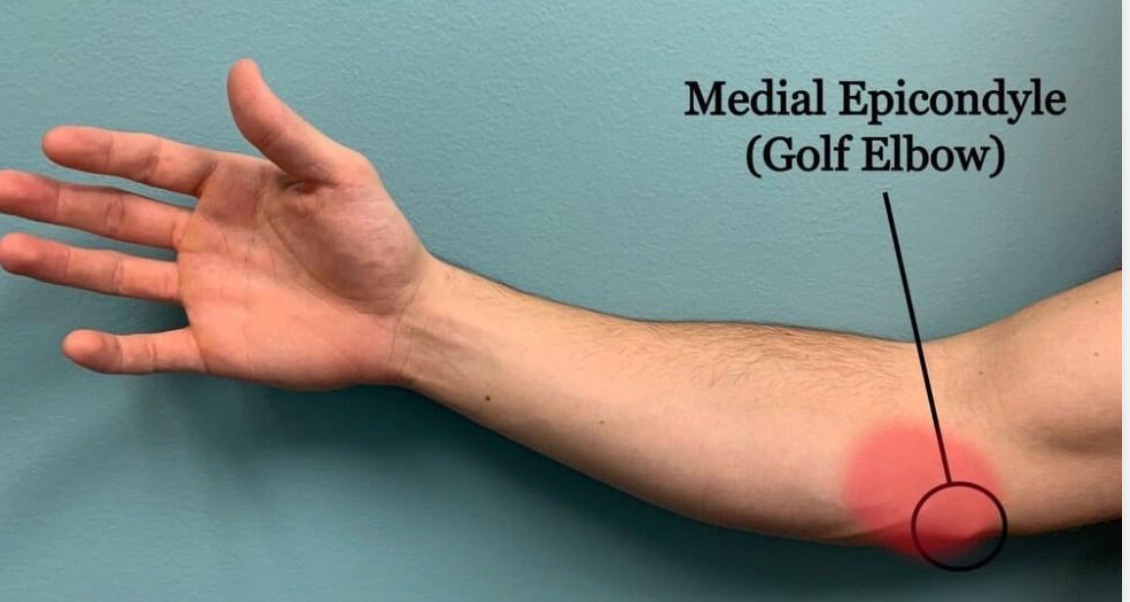
The MUCL is composed of three bands: the anterior bundle (primary restraint to valgus stress), the posterior bundle, and the transverse ligament. The anterior bundle of the anterior band is the critical structure — it spans from the medial epicondyle to the sublime tubercle of the ulna and resists the valgus torque of throwing. It is the most commonly injured ligament in the throwing elbow.
Pathology Spectrum
MUCL Sprain (Grade I–II) | Partial tearing without complete instability. Treated with rest, rehabilitation, and graduated return to throwing. 3–6 months. |
MUCL Complete Rupture | Complete disruption with valgus instability. Primary surgical reconstruction indicated in competitive throwers. |
UCL Insufficiency (Chronic) | Cumulative micro-tearing from repeated submaximal overload — the most common scenario in high-volume throwers. Presents with medial elbow pain during throwing, often without acute rupture. |
Valgus Extension Overload (VEO) | Posterior olecranon impingement from excessive valgus in the acceleration phase. Produces posterior osteophytes at the posteromedial olecranon. |
Symptoms
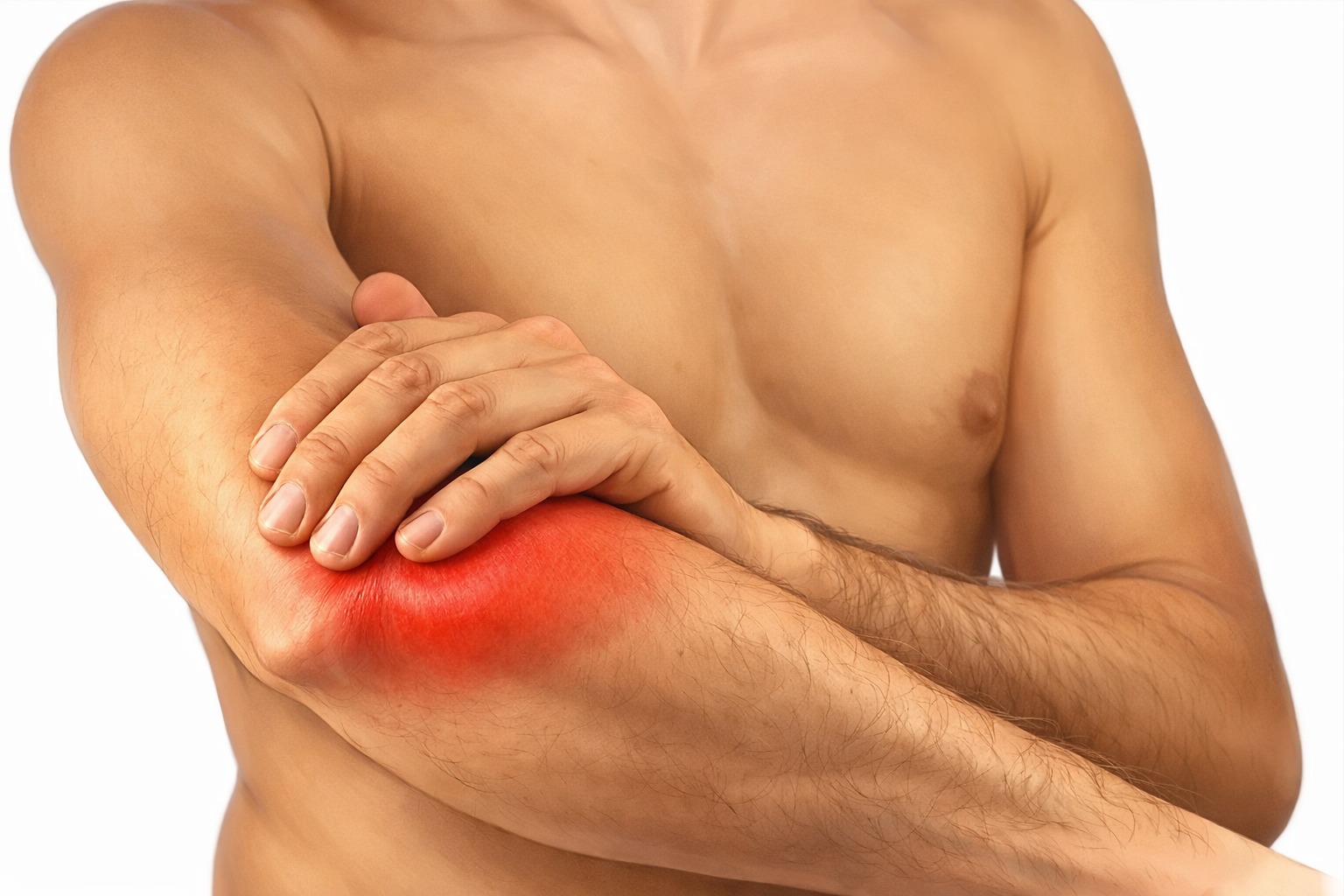
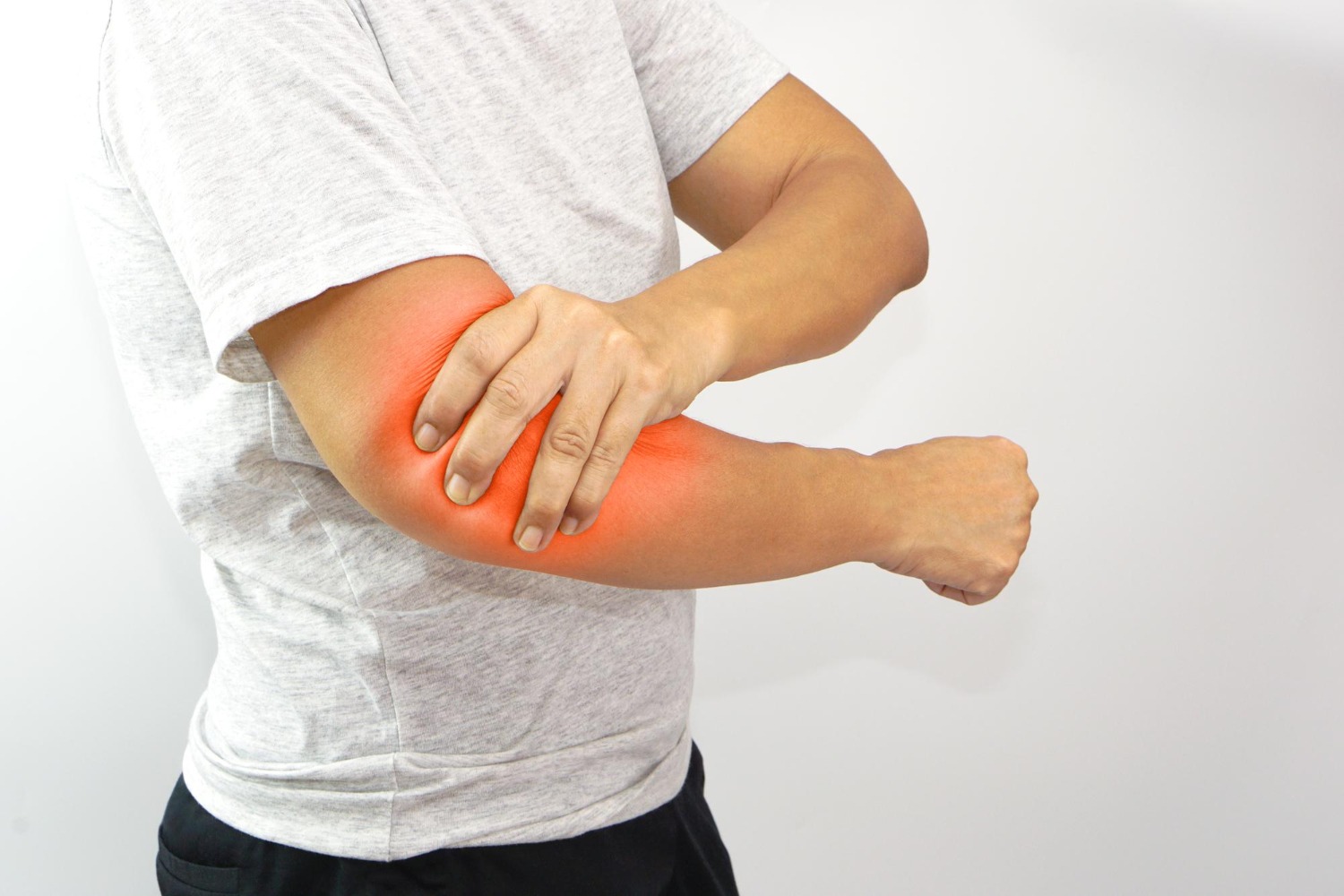
- Medial elbow pain during the late cocking and acceleration phases of throwing — classically described as pain at ‘the point of release’
- Loss of throwing velocity and accuracy — the athlete cannot ‘let go’ at full effort
- A painful pop during a throw may indicate acute complete rupture
- Ulnar nerve symptoms: The MUCL’s intimate relationship with the cubital tunnel means UCL insufficiency frequently causes ulnar nerve irritation — paraesthesia in the ring and little fingers during throwing
Diagnosis
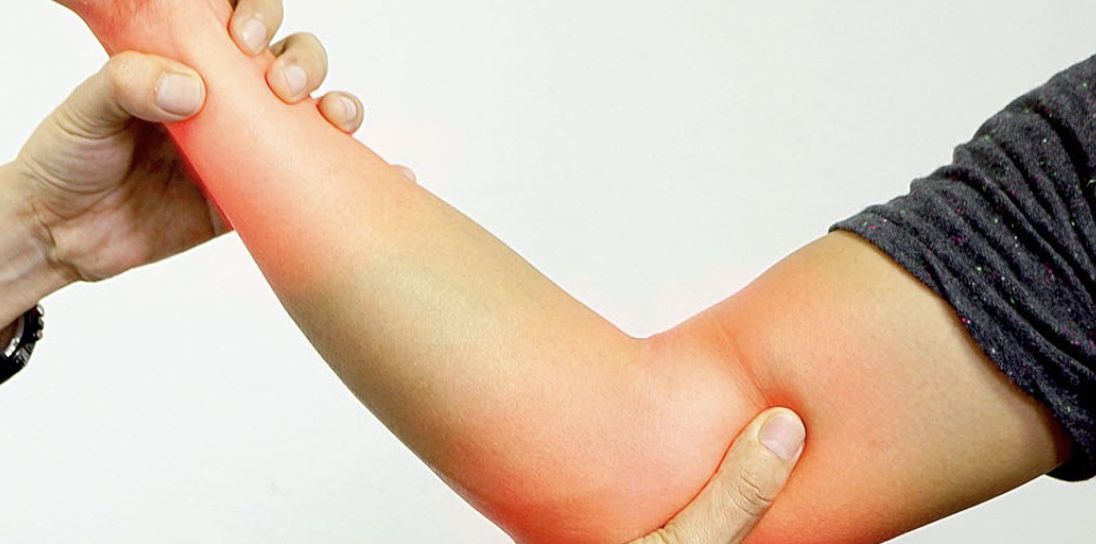
- Moving valgus stress test: Valgus force applied while the elbow is moved from 120° flexion to 70° — pain in the medial elbow between 70–120° is highly sensitive and specific for MUCL injury
- Milking manoeuvre: The examiner pulls the patient’s thumb with the shoulder abducted and elbow flexed >90° — reproduces medial pain if MUCL insufficient
- MRI arthrogram: Gold standard. Gadolinium contrast highlights partial and complete MUCL tears, and associated pathology (osteophytes, loose bodies, ulnar nerve changes)
Treatment
Non-Surgical
- Rest from throwing for 6–12 weeks; complete load modification
- Physiotherapy: Elbow and shoulder strengthening, kinetic chain rehabilitation (addressing the entire throwing mechanism from lower limbs through trunk to shoulder and elbow)
- PRP injection: Emerging evidence for UCL sprain and partial tears in non-operative candidates
- Return-to-throwing programme: Structured interval throwing plan from 45 feet to full competitive distance over 3–4 months
Tommy John Surgery (MUCL Reconstruction)
UCL reconstruction — colloquially called ‘Tommy John surgery’ after the first patient to undergo it — is the gold standard for competitive throwers with complete UCL rupture or chronic insufficiency failing non-operative management:
- A tendon graft (palmaris longus autograft, gracilis, or hamstring graft) is threaded through drill holes in the medial epicondyle and sublime tubercle to reconstruct the anterior bundle of the MUCL
- The docking technique or figure-of-eight technique is most commonly used
- Concurrent ulnar nerve transposition is performed if nerve symptoms are present
- Recovery: 12–18 months to full competitive throwing. Return to pitching at elite level approximately 80–85% of cases.
Patient FAQs –Throwing Elbow & Medial UCL Injury
Does Tommy John surgery end a throwing career?
No — the majority of professional pitchers (approximately 80–85%) successfully return to their previous level of throwing following UCL reconstruction. Many achieve their best career statistics after surgery. The key is patient selection, surgical technique, and a comprehensive rehabilitation programme
How do I know if I need surgery or can manage without?
Complete UCL rupture in a competitive throwing athlete almost always requires surgery to return to the same level of throwing. Partial tears and UCL sprains in younger or recreational athletes can often be managed successfully with rest, rehabilitation, and load management. An MRI arthrogram and a consultation with Dr. Senthilvelan will determine the appropriate strategy.