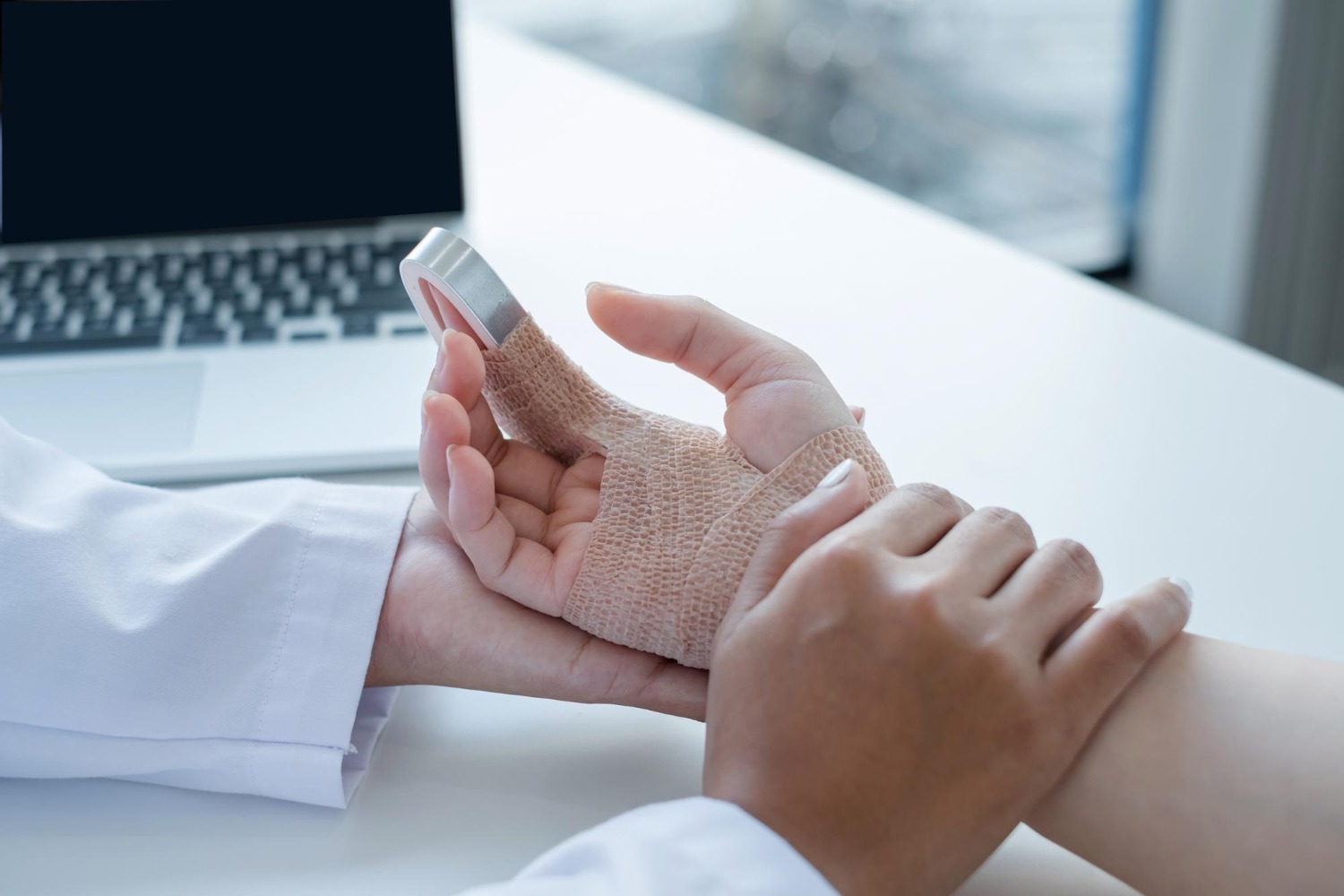
Elbow Surgery
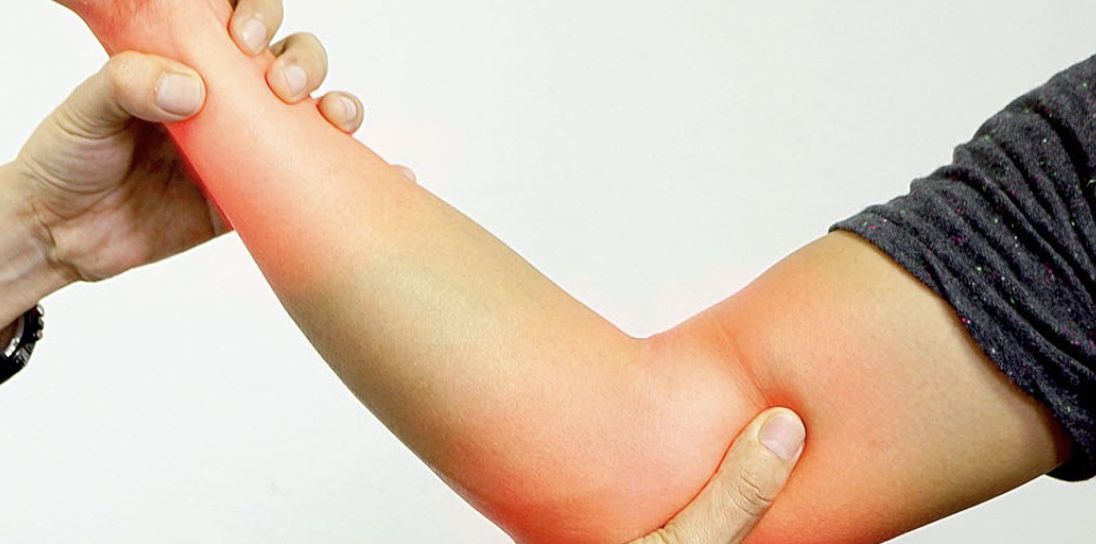
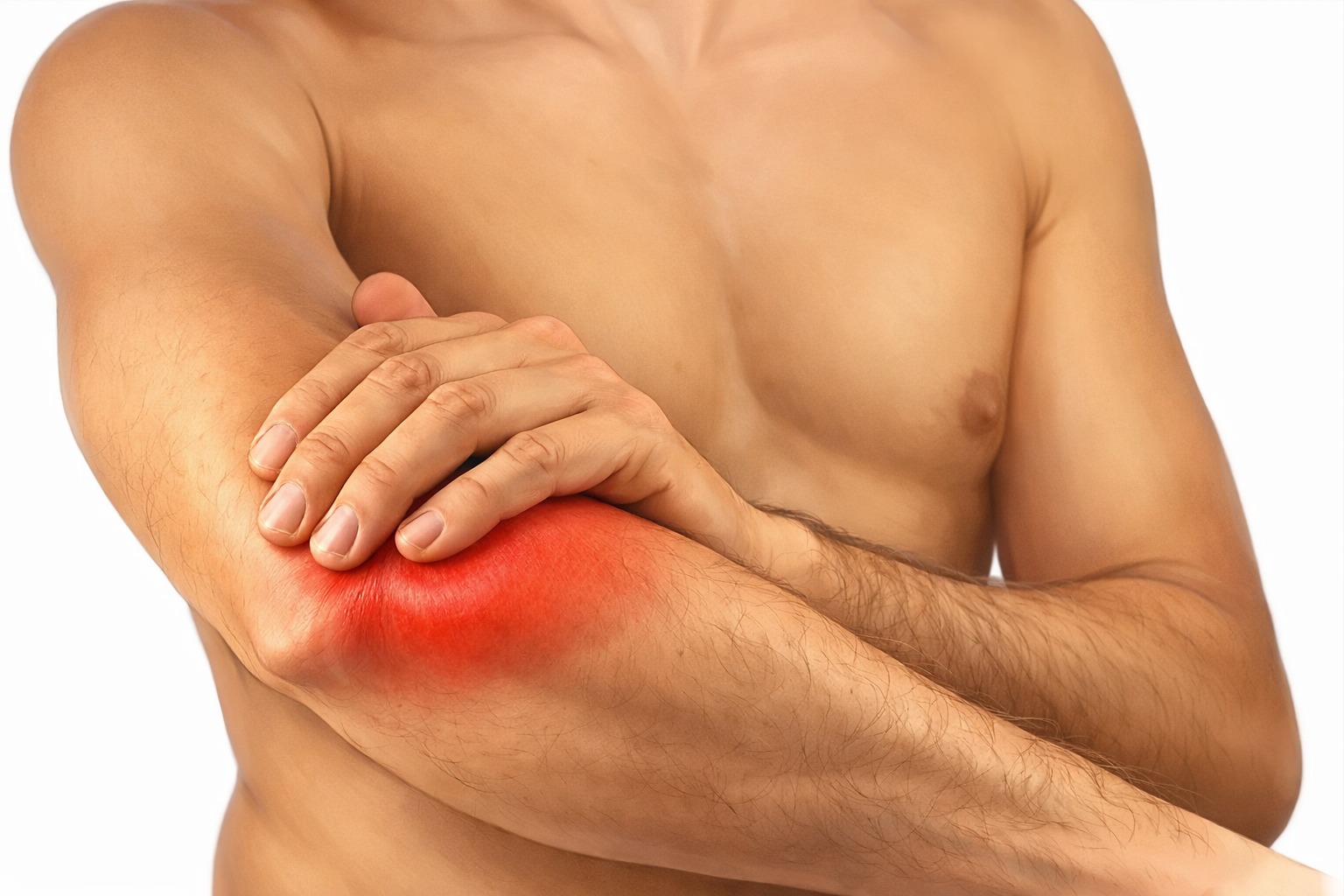
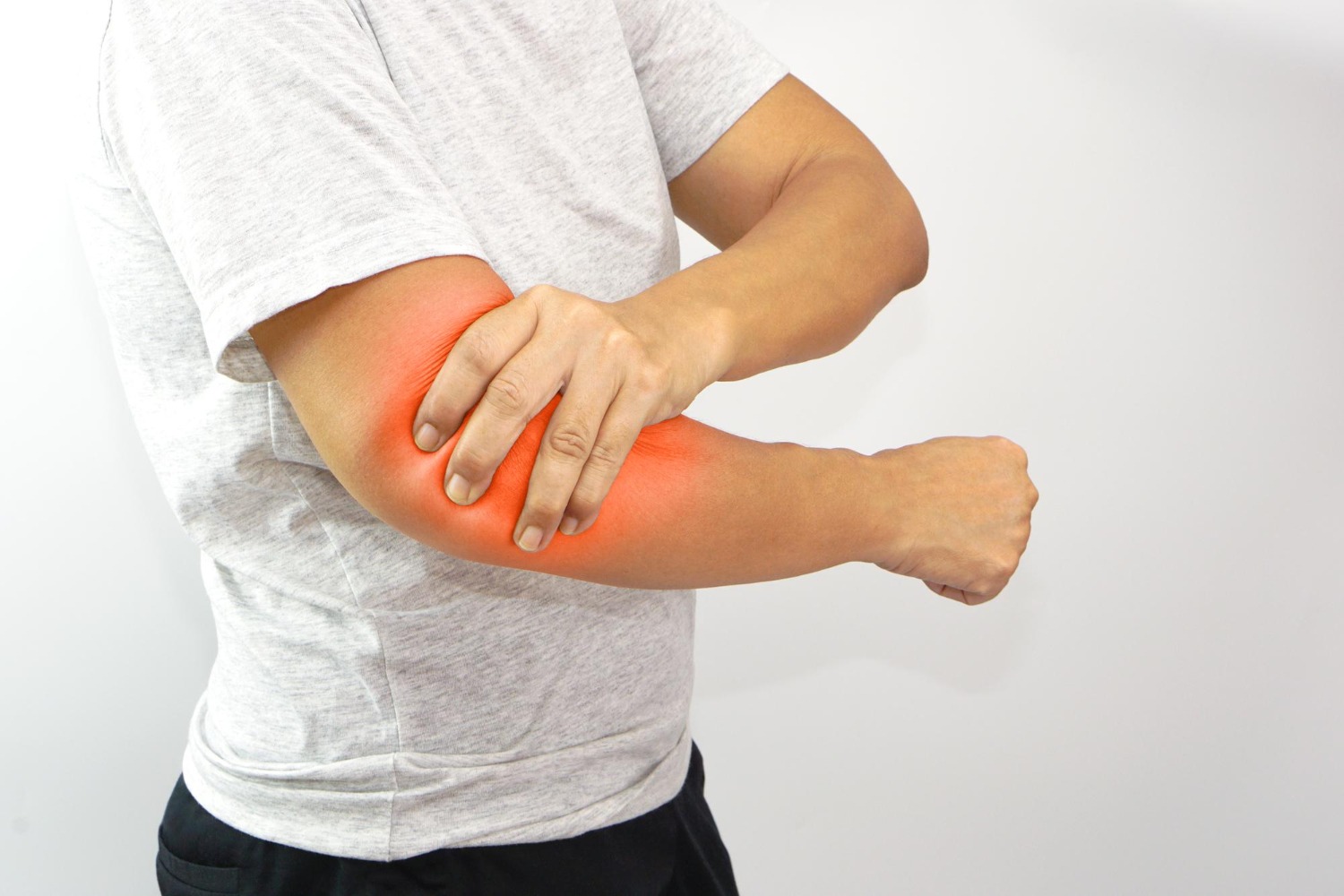
The elbow is a complex hinge joint that allows precise movements of the arm, essential for daily activities such as lifting, writing, or sports. Injuries, overuse, arthritis, or trauma can damage the bones, ligaments, tendons, or cartilage, causing pain, stiffness, or instability. When conservative treatments like physiotherapy, medications, or injections are not enough, elbow surgery may be necessary to restore function and relieve pain.
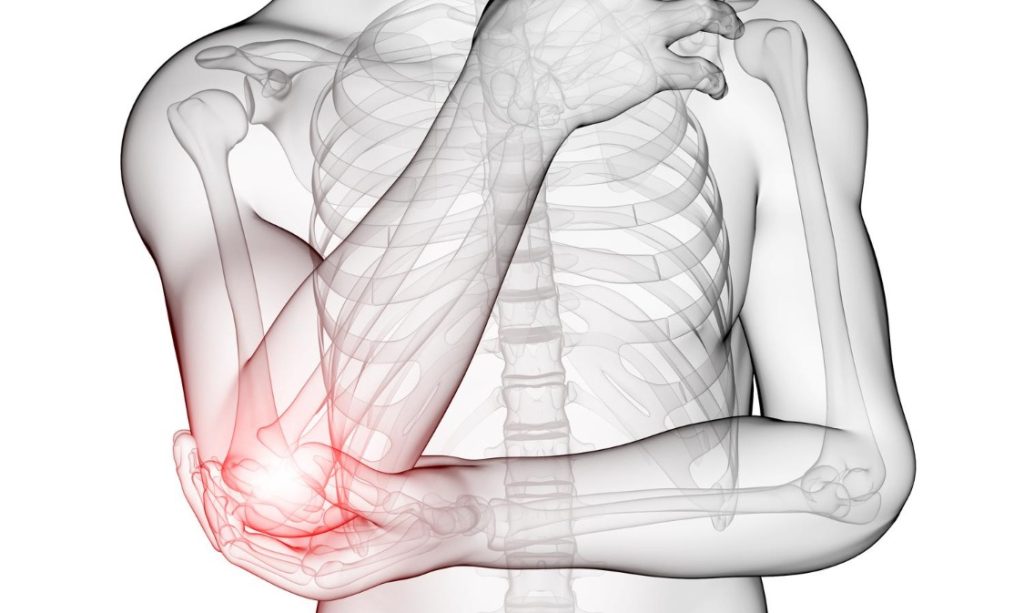
Common Elbow Surgeries
Elbow surgeries are tailored depending on the type of injury or condition. Some of the basic and widely performed procedures include:
Elbow Arthroscopy – Minimally invasive surgery to treat joint stiffness, remove loose bodies, or repair cartilage damage.
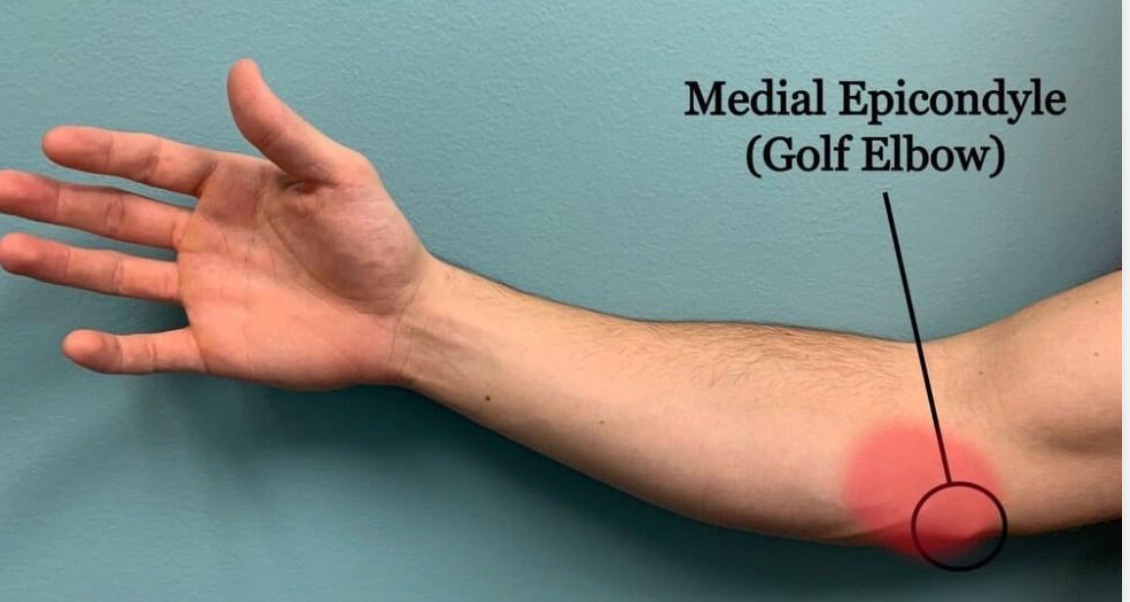
Tendon Repair – Surgical repair of torn tendons, such as in tennis elbow (lateral epicondylitis) or golfer’s elbow (medial epicondylitis).
Ligament Reconstruction – Rebuilding damaged ligaments, commonly performed in athletes with UCL (ulnar collateral ligament) injuries.
Fracture Fixation – Open reduction and internal fixation (ORIF) for broken elbow bones.
Elbow Replacement (Arthroplasty) – Partial or total replacement of the elbow joint in cases of severe arthritis or irreparable damage.
Recovery and Benefits
Elbow surgery aims to relieve pain, restore mobility, and improve joint stability. Post-surgery, patients typically undergo physiotherapy to regain strength and flexibility. With proper care and rehabilitation, most patients return to daily activities, work, and sports safely.