Treatment by Dr. Senthilvelan – Shoulder, Elbow & Wrist Specialist
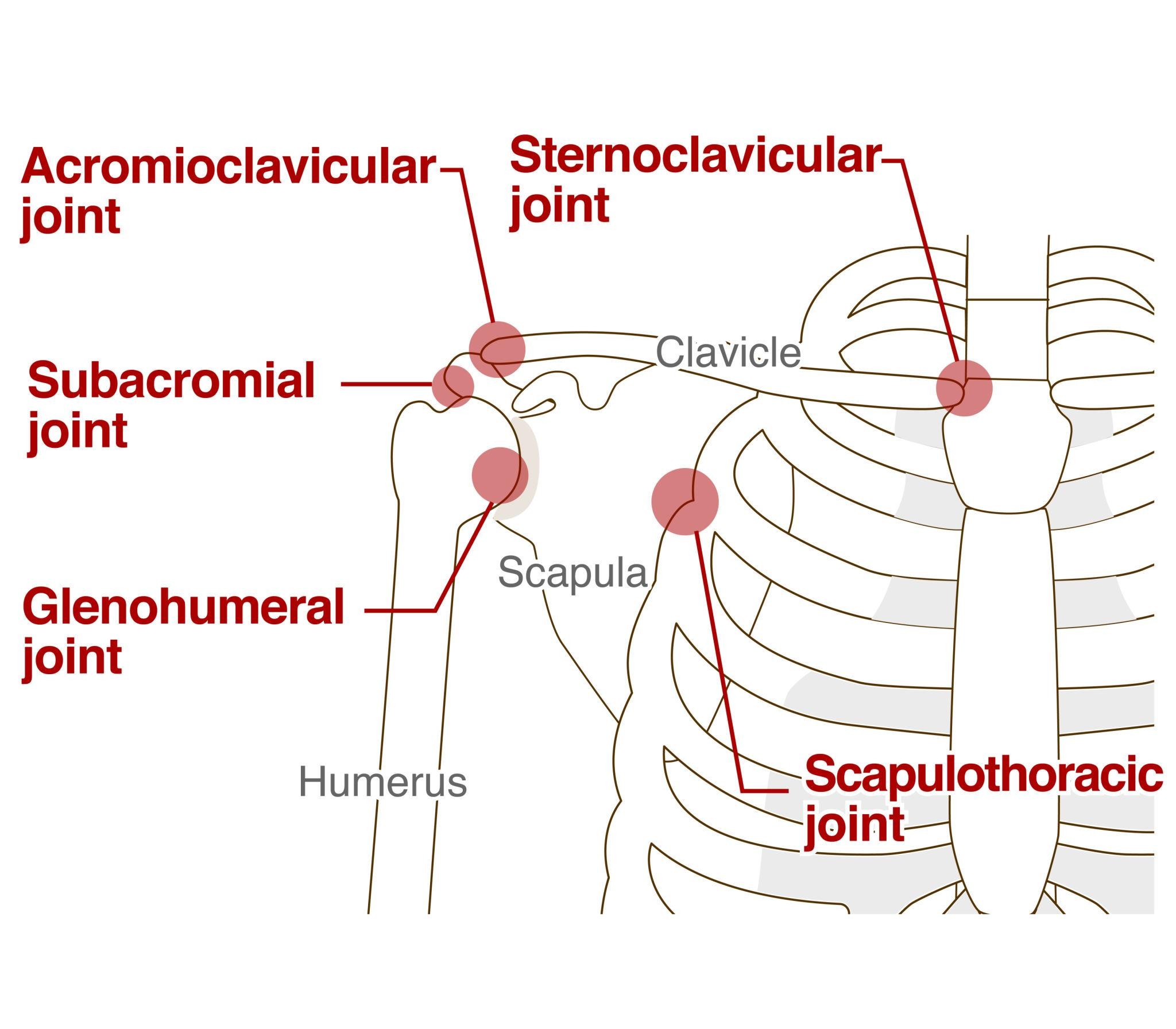
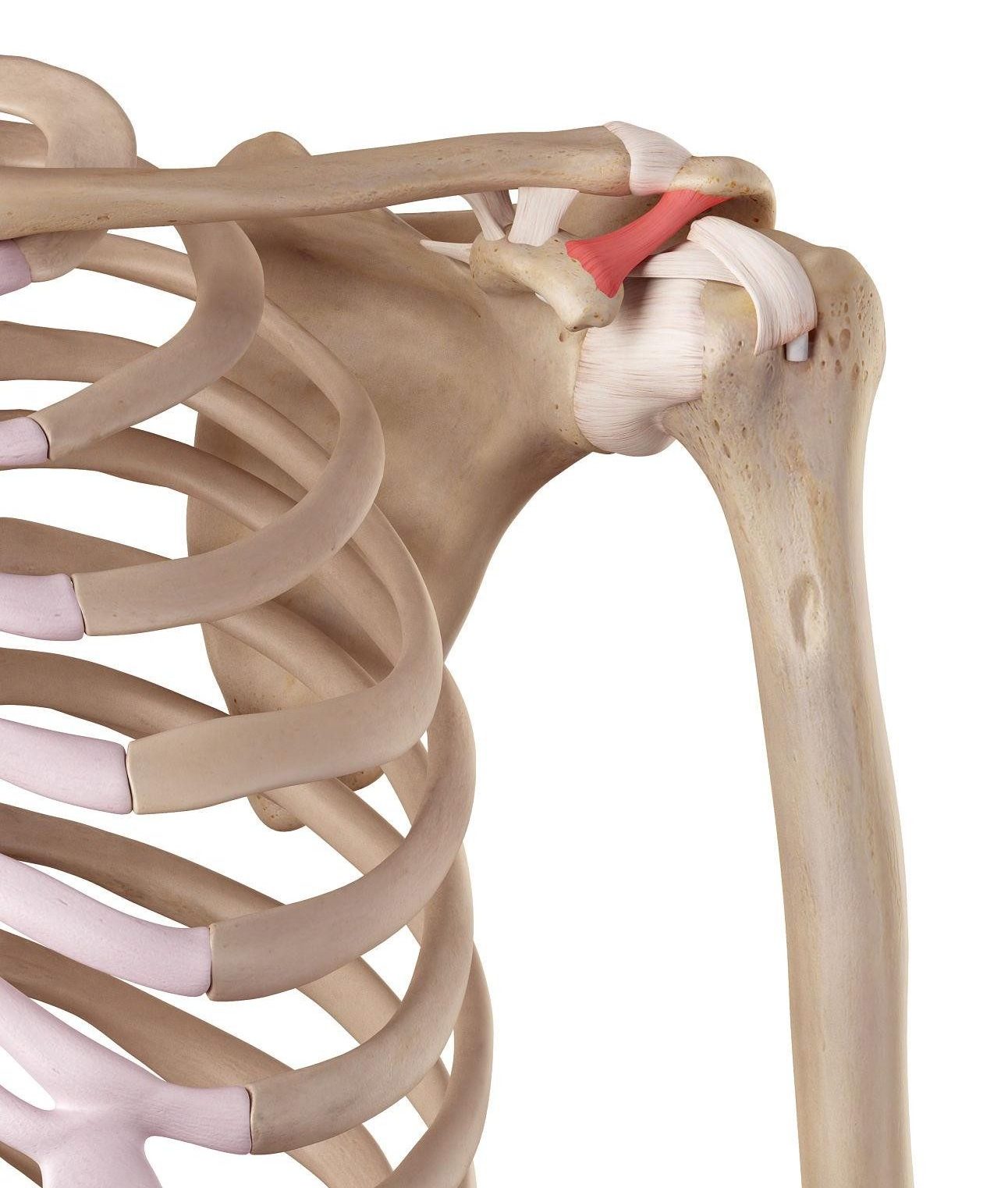
A shoulder separation is often confused with a shoulder dislocation. However, it does not involve the main ball-and-socket joint. Instead, it affects the acromioclavicular (AC) joint — the joint where the collarbone (clavicle) meets the acromion of the shoulder blade.
This injury is common in contact sports, falls, and road traffic accidents.
Understanding the AC Joint
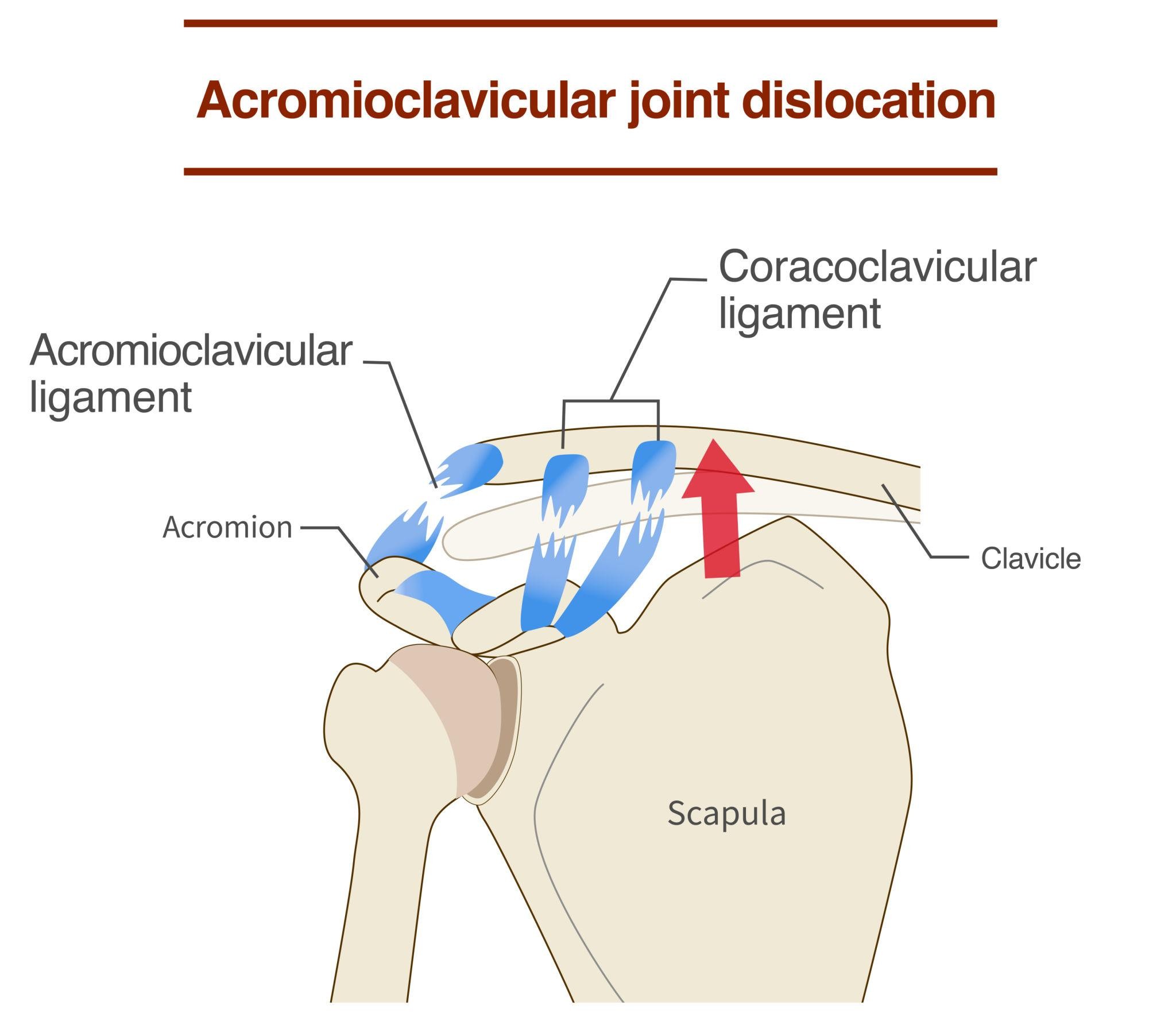
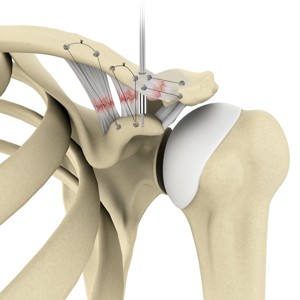
The AC joint is stabilized by two main ligament groups:
AC ligaments – surround the joint itself
Coracoclavicular (CC) ligaments – connect the clavicle to the shoulder blade underneath
These ligaments keep the collarbone aligned with the shoulder blade during arm movement.
When the impact is strong enough, the ligaments tear, allowing the collarbone to shift out of position.
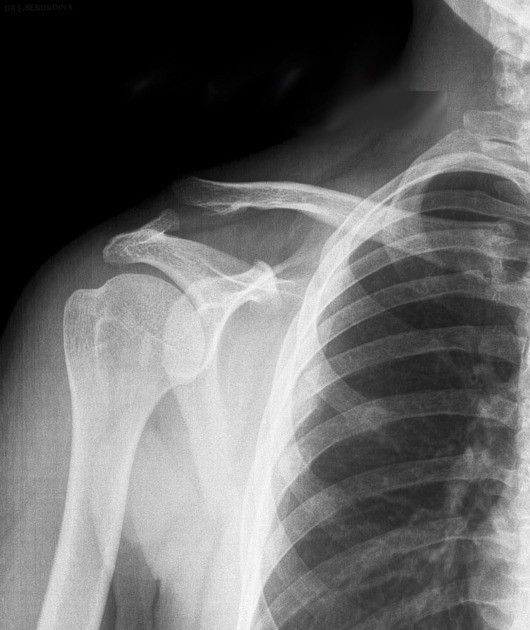
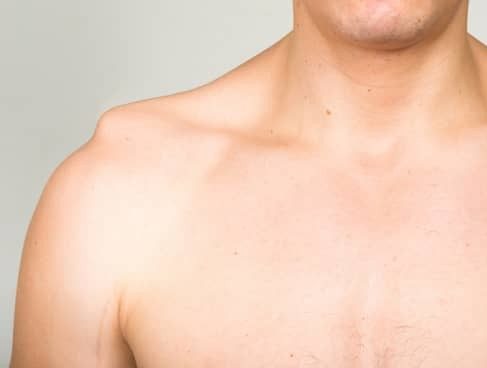
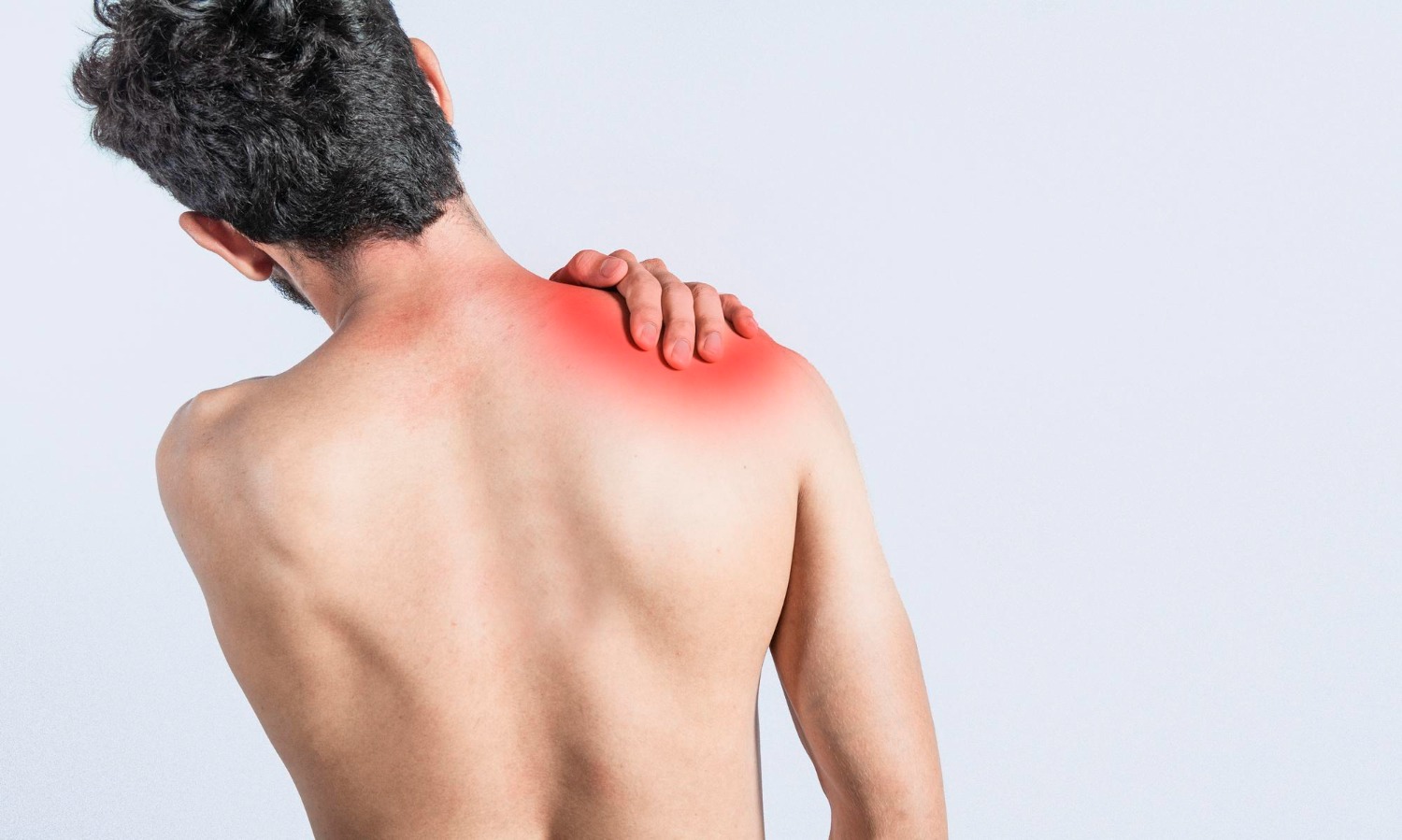
If the CC ligaments are torn, the weight of the arm pulls the shoulder blade downward, creating a visible bump on top of the shoulder.
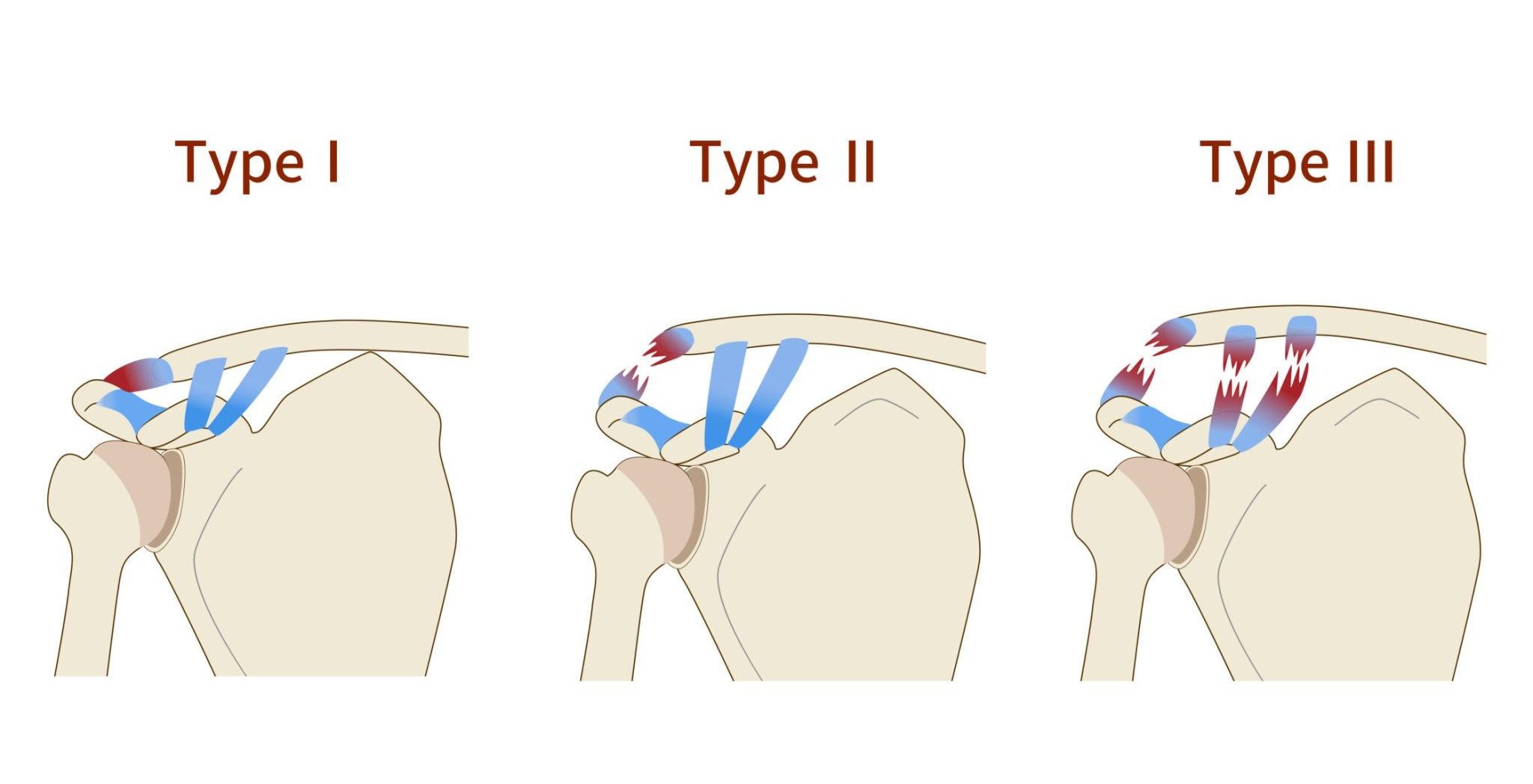
Grades of Shoulder Separation
Grade I (Mild)
AC ligament sprain
No visible deformity
Normal X-rays
Grade II (Moderate)
AC ligament torn
Partial injury to CC ligament
Small bump visible
Grade III (Severe)
Complete tear of AC and CC ligaments
Noticeable bump on shoulder
Joint clearly displaced
(Higher grades IV–VI are rare and involve more severe displacement.)
Symptoms of Shoulder Separation
Patients may experience:
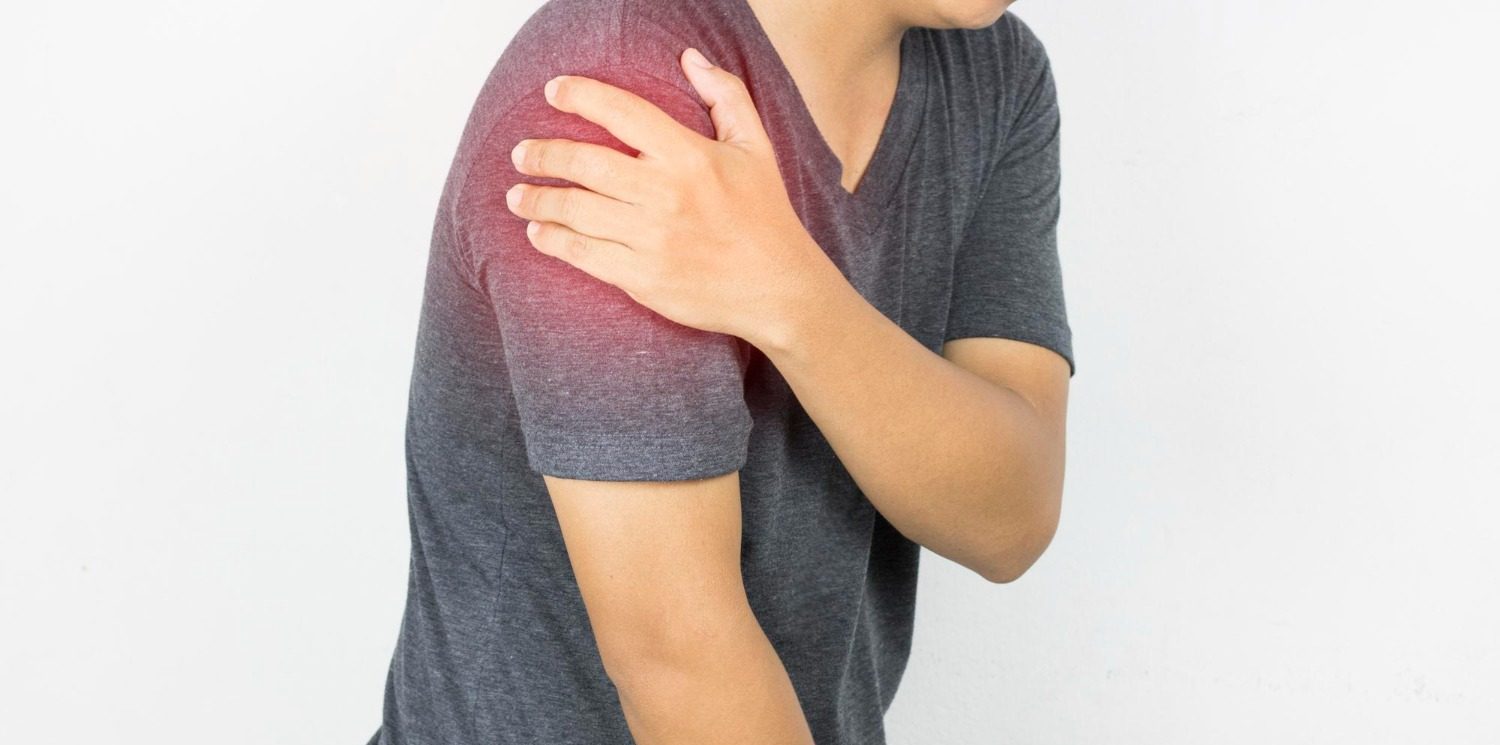
Pain on top of the shoulder
Swelling and tenderness over AC joint
Visible bump (in moderate/severe cases)
Pain while lifting the arm
Reduced shoulder strength
In mild injuries, the deformity may not be obvious.
Diagnosis
At Dr. Senthilvelan’s clinic, evaluation includes:
Clinical Examination
Tenderness directly over AC joint
Assessment of deformity
Range of motion testing
Imaging
X-rays to confirm alignment
Stress X-rays (holding a weight) if needed
The diagnosis is usually straightforward when deformity is present.
Treatment of Shoulder Separation
Non-Surgical Treatment (Preferred in Most Cases)
The majority of Grade I, II, and III injuries recover well without surgery.
Treatment includes:
Sling support (short period)
Ice therapy
Anti-inflammatory medications
Gradual physiotherapy
Range of motion exercises
Strengthening
Scapular stabilization
Even professional athletes often return to full activity with conservative treatment — even if a bump remains.
Recent research shows nonsurgical treatment often provides outcomes equal to or better than surgery for many AC joint injuries.
When Is Surgery Needed?
Surgery may be considered if:
Persistent pain despite conservative care
Severe deformity
Functional limitation in high-demand athletes
Arthroscopic Surgery
Trimming the end of the clavicle (distal clavicle excision)
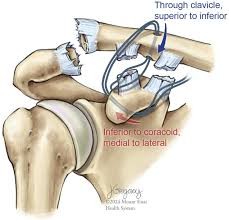
Ligament reconstruction
Plate fixation (temporary, removed after healing)
Procedures may be done arthroscopically or via a small open incision.
Rehabilitation
Whether treated surgically or non-surgically, rehabilitation is essential.
Recovery Phases:
Pain control and sling support
Gradual restoration of motion
Progressive strengthening
Return to sports (usually 6–12 weeks for mild cases)
Full recovery depends on severity and treatment type.
Key Points for Patients
✔ A shoulder separation is not a shoulder dislocation ✔ Most cases recover well without surgery ✔ A visible bump does not always require surgery ✔ Early rehabilitation improves outcomes
When to Consult Dr. Senthilvelan
Seek medical attention if you have:
Shoulder pain after a fall
Visible deformity on top of the shoulder
Difficulty lifting your arm
Persistent pain despite rest
Early evaluation ensures proper healing and prevents chronic discomfort.
Dr. Senthil Velan is an internationally trained orthopaedic surgeon specializing in joint and sports injury care, dedicated to restoring mobility and relieving pain.
"Head of Dept - Shoulder Elbow Wrist surgery
Miot International , chennai"