Treatment by Dr. Senthilvelan – Shoulder, Elbow & Wrist Specialist
Advances in minimally invasive arthroscopic surgery now allow precise diagnosis and treatment of shoulder labral tears — injuries that were often missed decades ago.
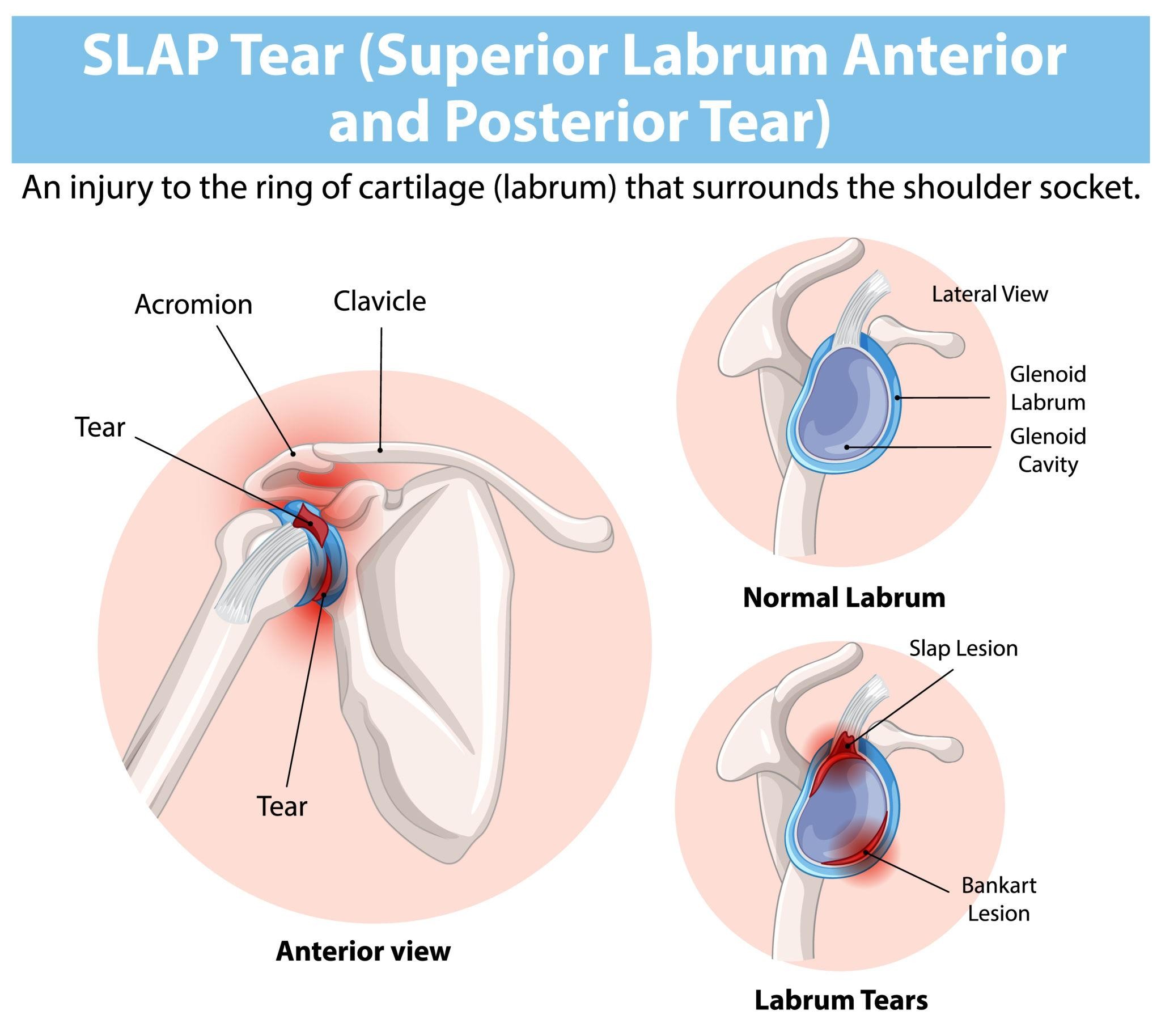
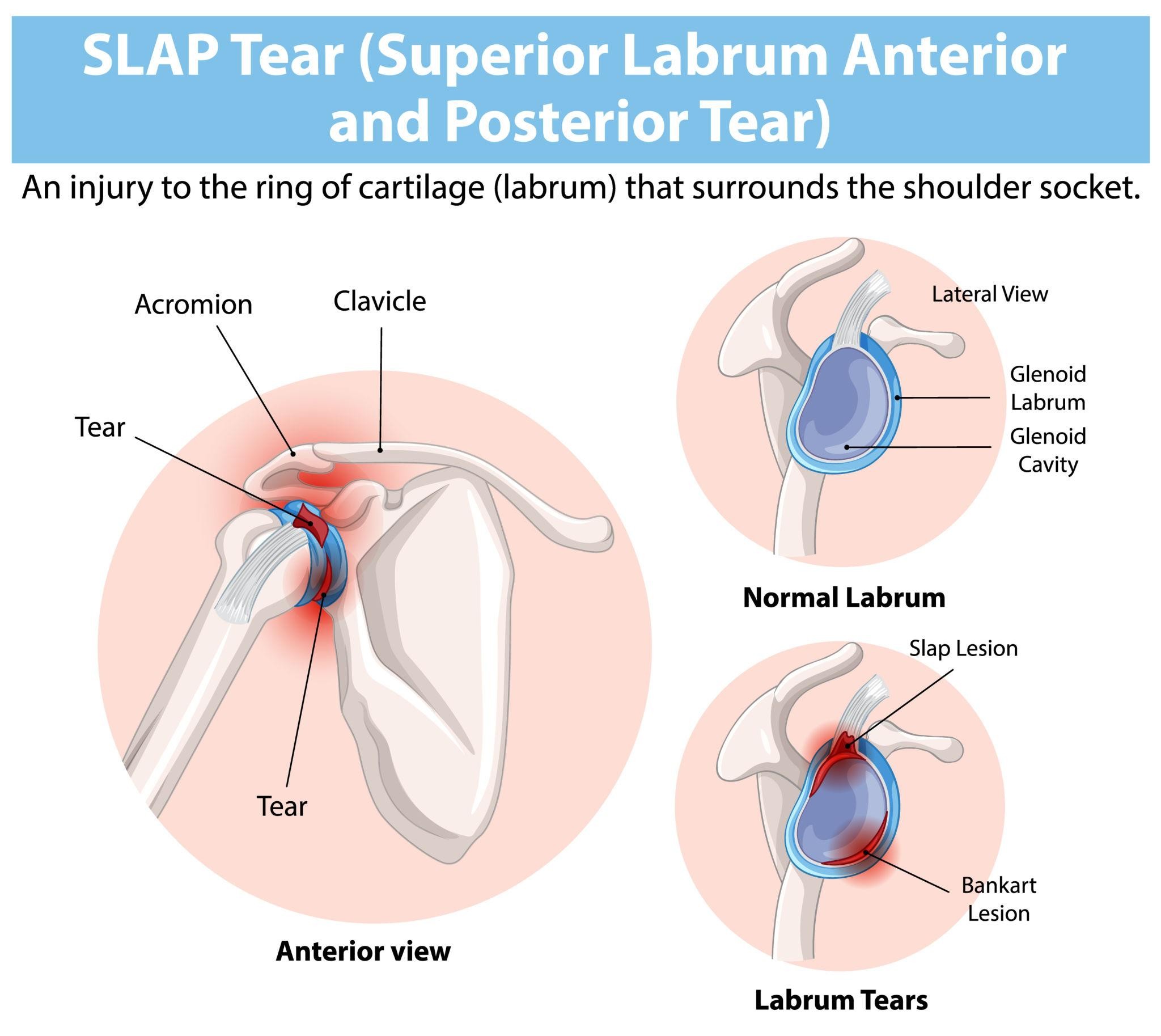
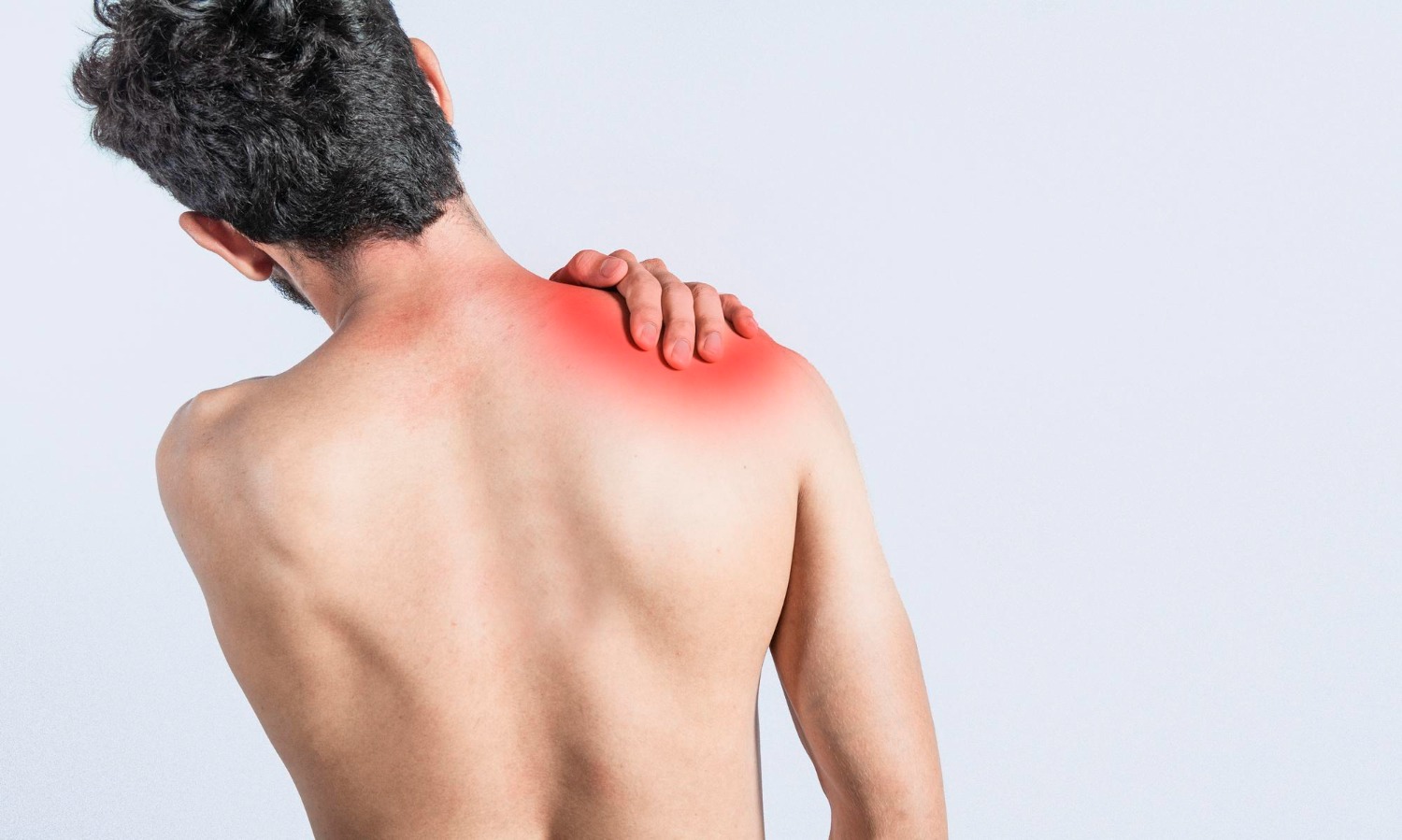
A glenoid labrum tear (labral tear) affects the soft tissue rim that stabilizes the shoulder socket. This injury is common in athletes, active individuals, and patients with shoulder dislocations.
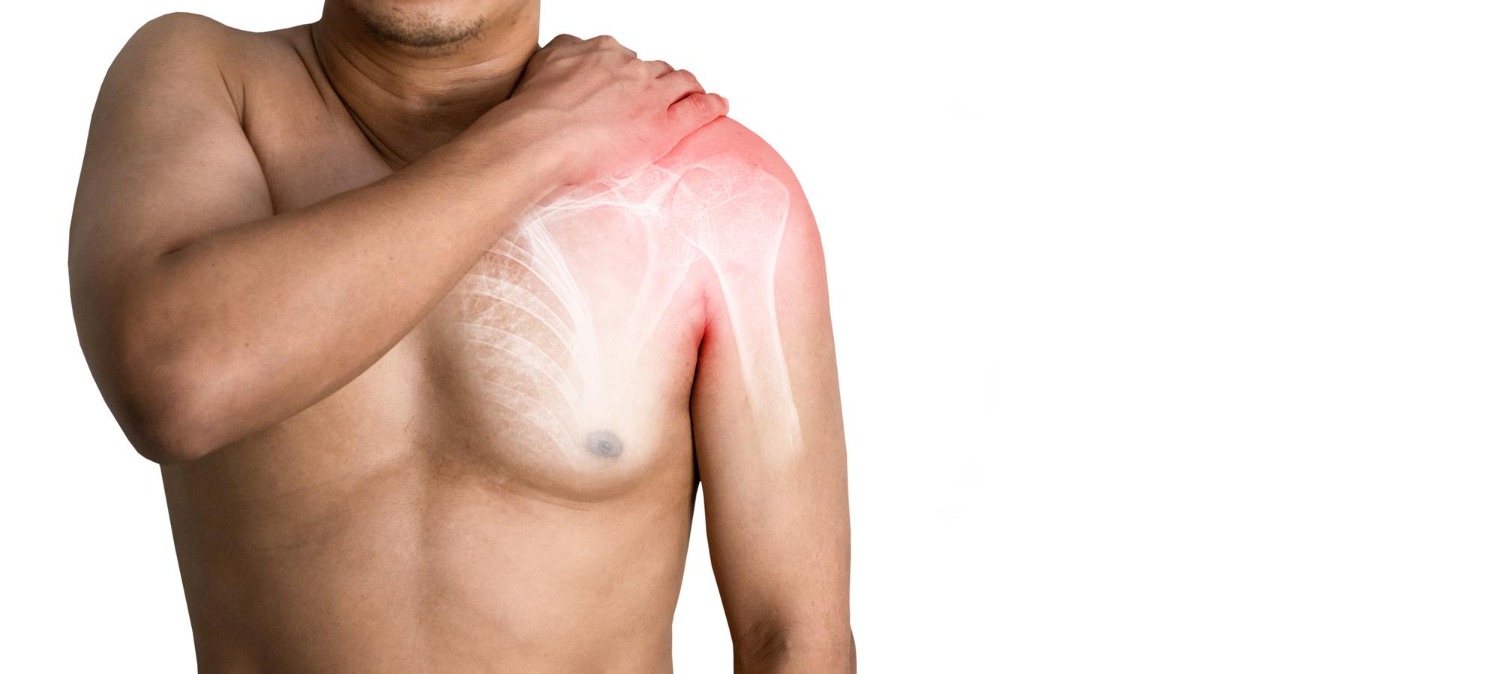
Understanding Shoulder Anatomy
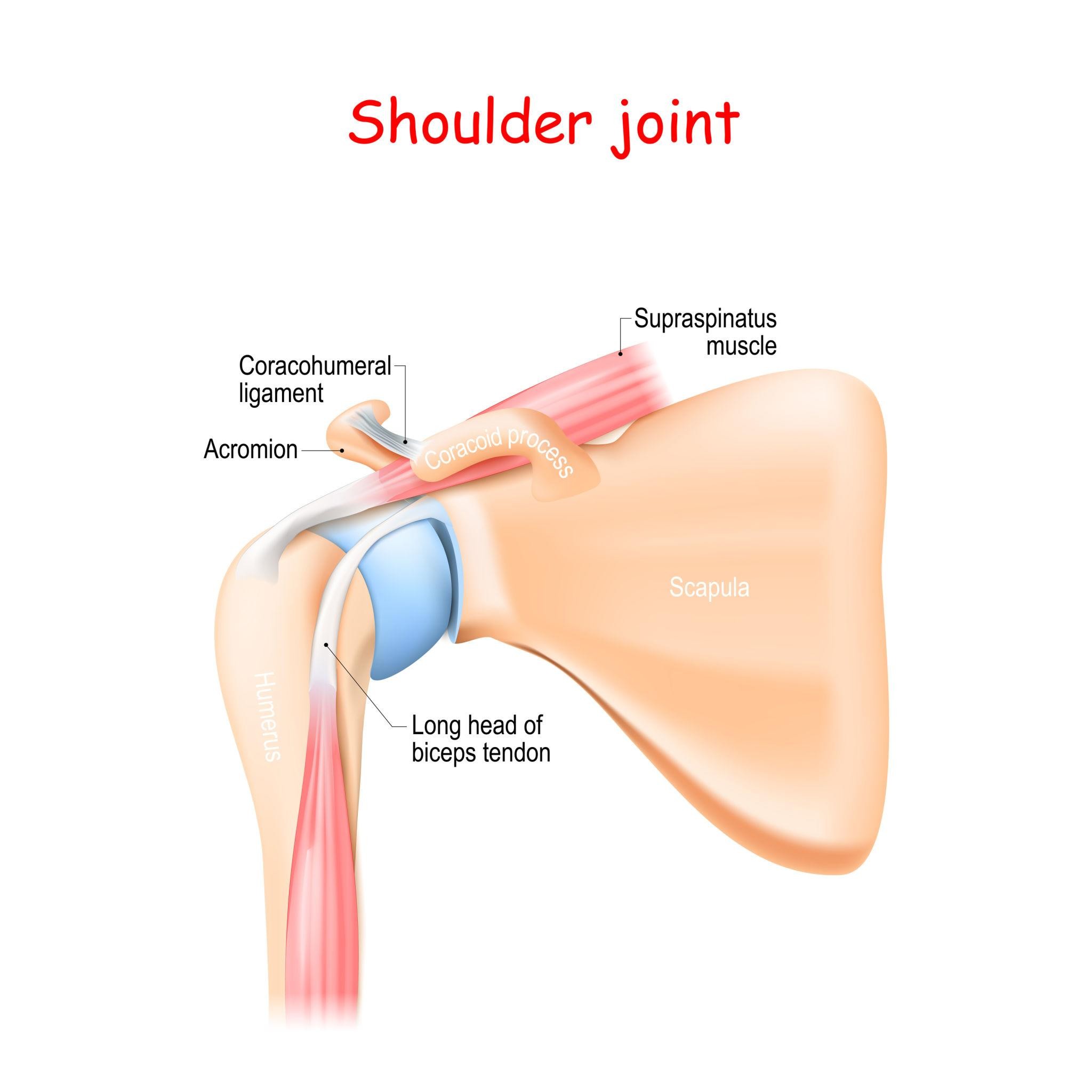
The shoulder is a ball-and-socket joint formed by:
Humerus (upper arm bone)
Scapula (shoulder blade)
Clavicle (collarbone)
The head of the humerus sits in a shallow socket called the glenoid.
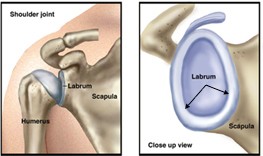
Because the socket is shallow, stability depends on a soft fibrous rim called the labrum.
Functions of the Labrum:
Deepens the socket by up to 50%
Enhances joint stability
Provides attachment for ligaments
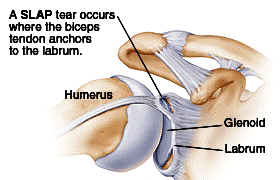
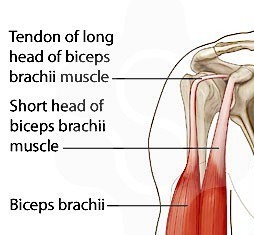
Anchors the long head of the biceps tendon
Damage to this structure compromises shoulder stability and function.
Types of Labral Tears
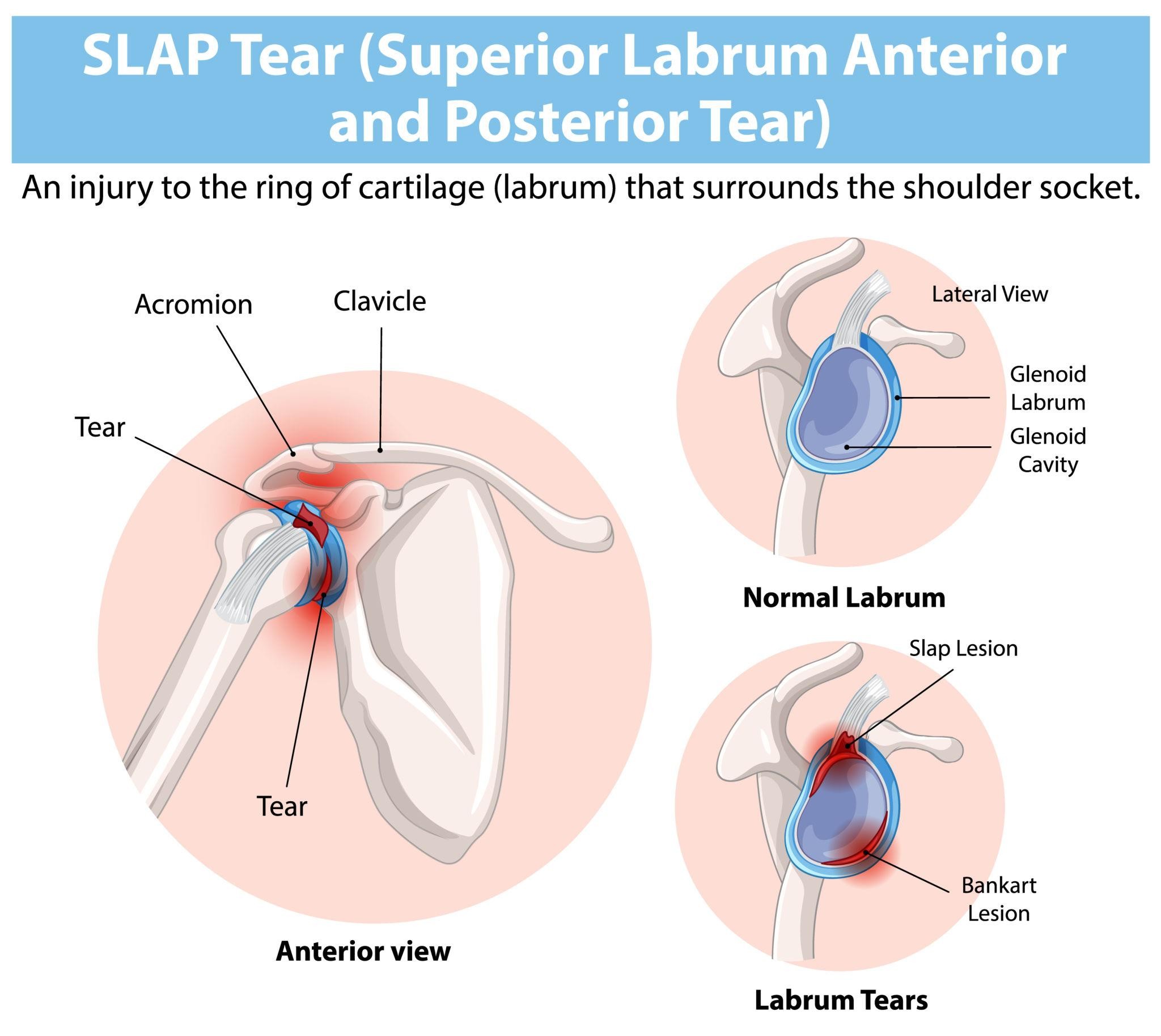
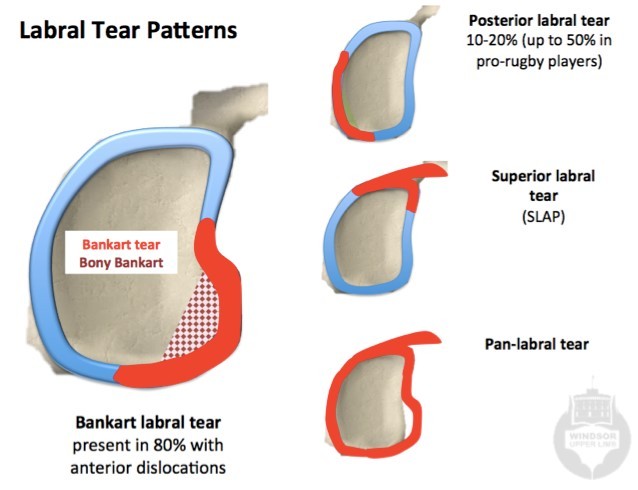
1. SLAP Tear (Superior Labrum Anterior to Posterior)
A tear at the top of the socket where the biceps tendon attaches.
Common in:
Throwing athletes
Weightlifters
Overhead workers
Symptoms:
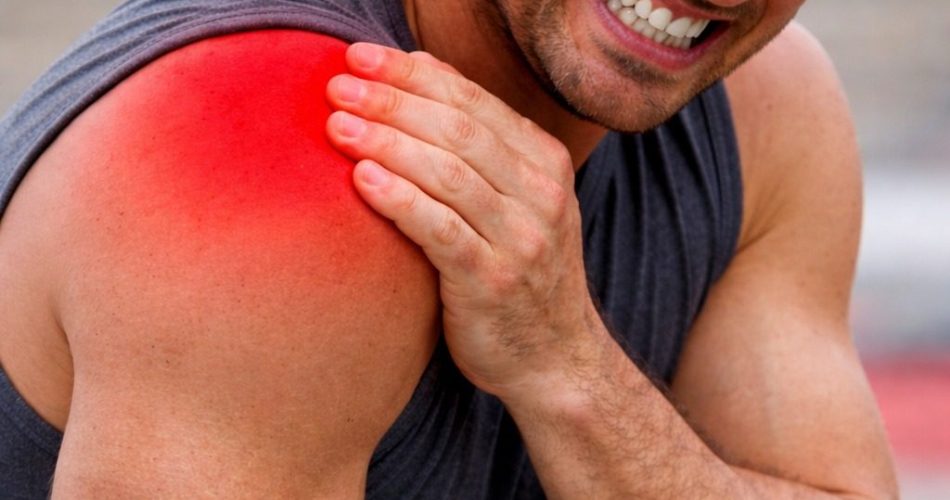
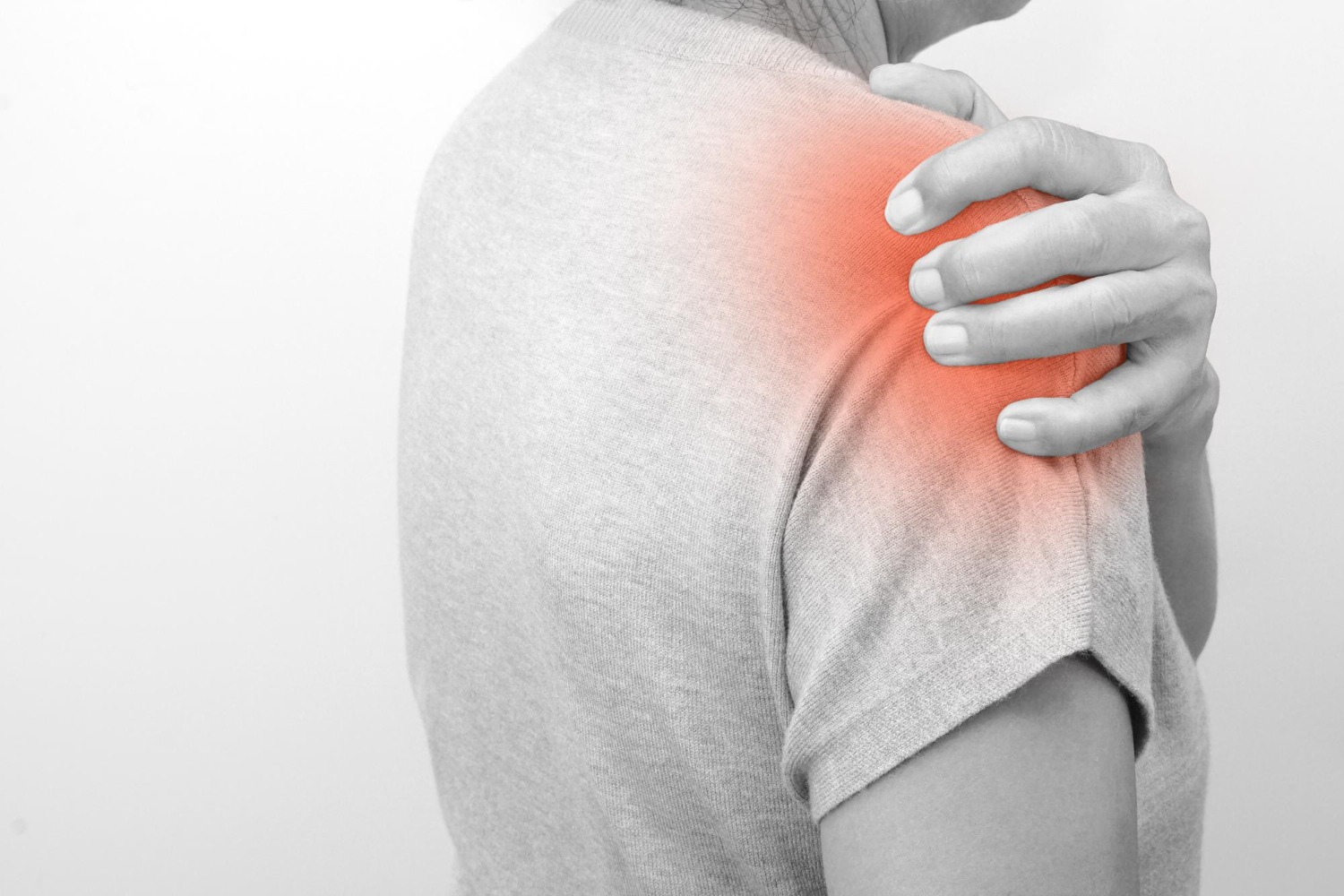
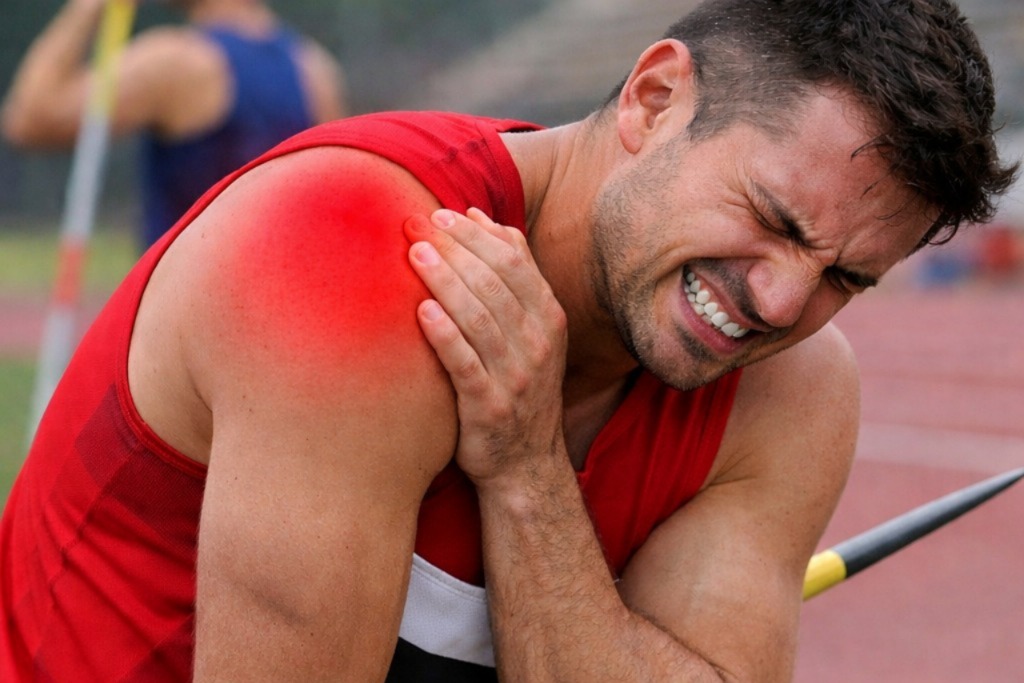
Deep shoulder pain
Clicking or locking
Pain during overhead activity
Loss of strength
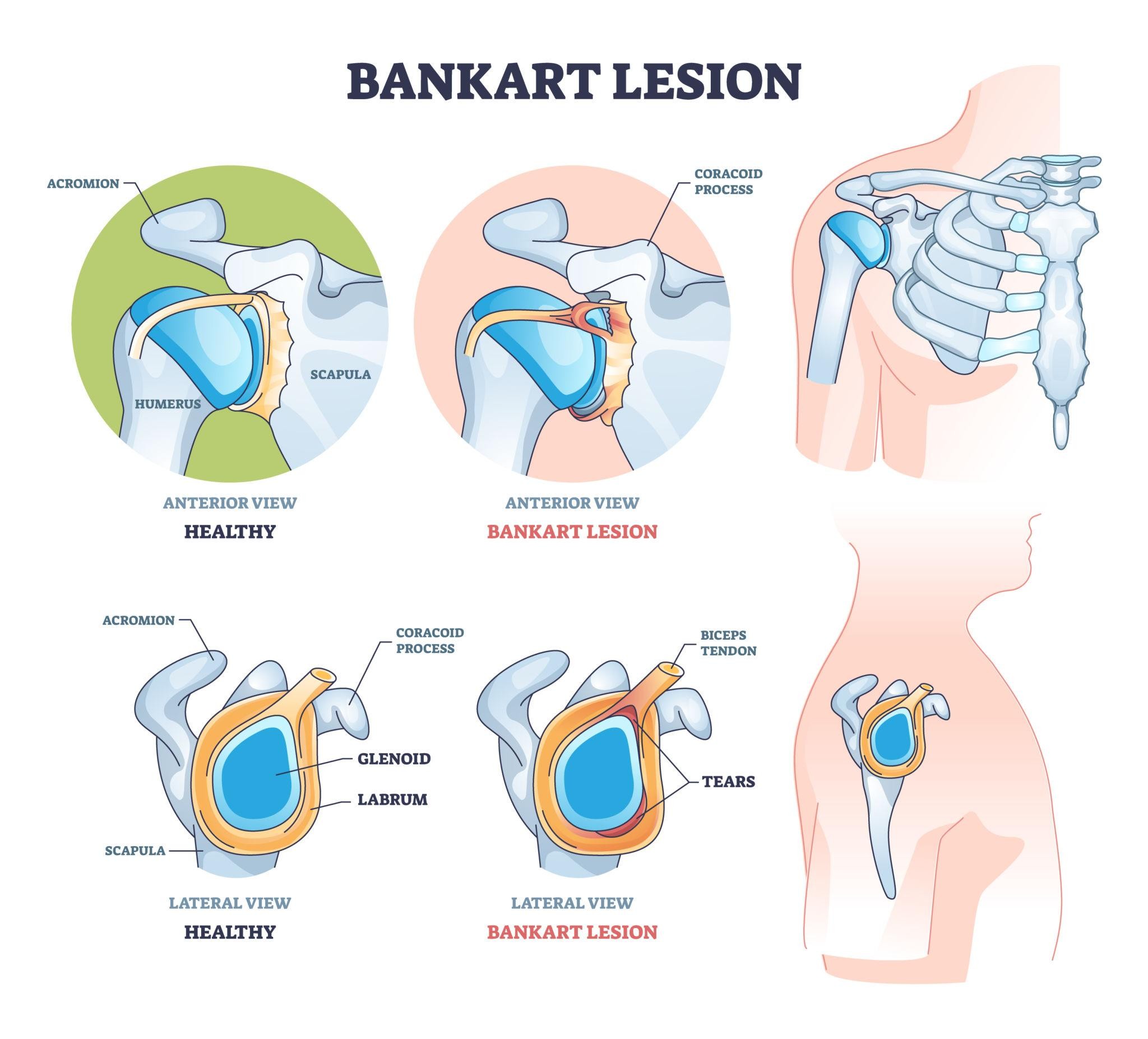
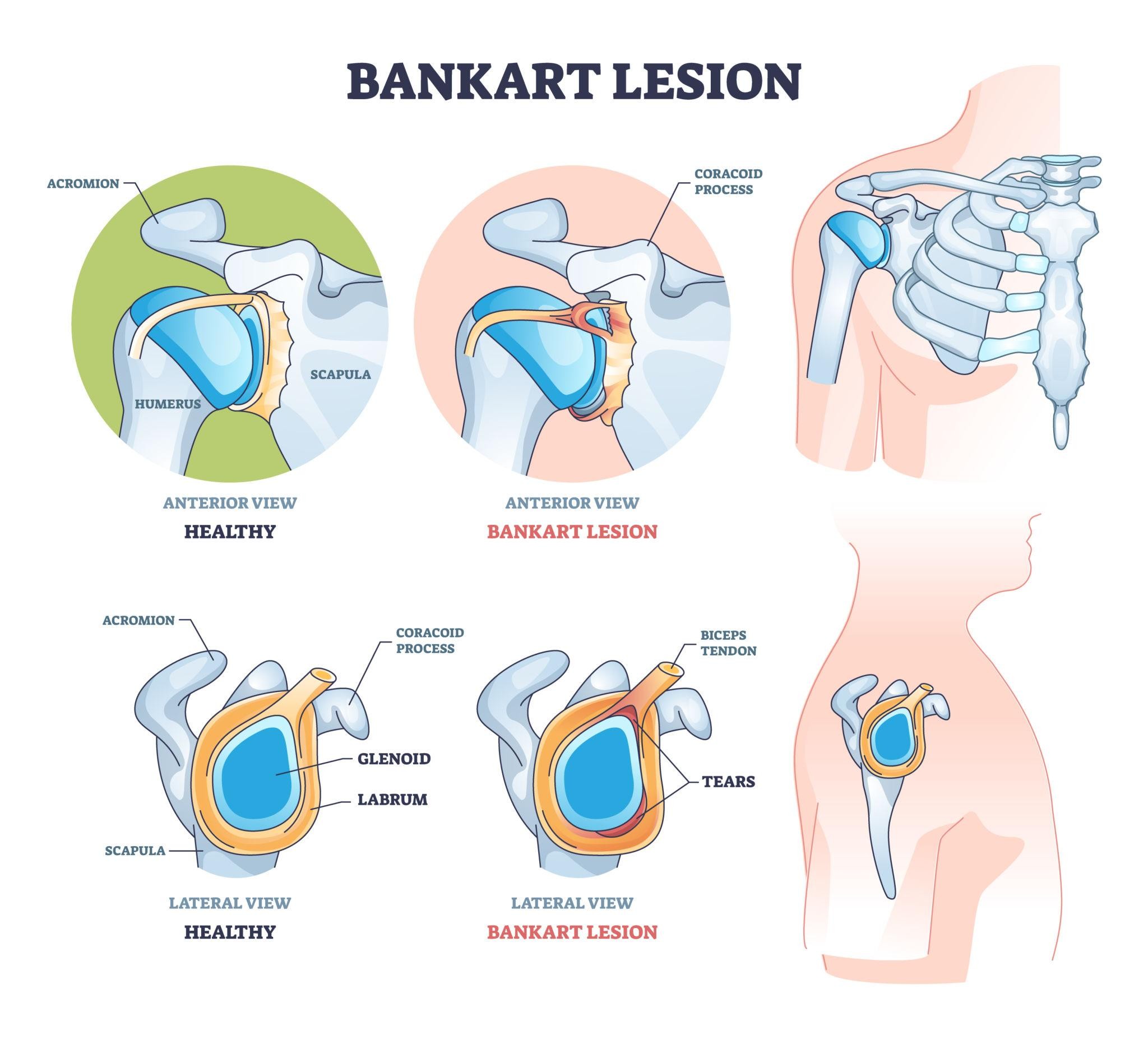
2. Bankart Lesion (Anterior Labral Tear)
A tear of the lower front part of the labrum, usually caused by shoulder dislocation.
Typically occurs after:
Falling on an outstretched arm
Sports injury
Traumatic anterior dislocation
Often associated with recurrent instability.
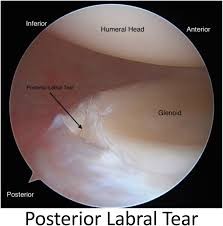
3. Posterior Labral Tear
A tear at the back of the socket.
Causes:
Direct trauma
Repetitive stress
Degenerative changes
Causes of Labral Tears
Labral injuries may result from:
Acute Trauma
Fall on an outstretched arm
Direct blow to the shoulder
Sudden heavy lifting
Violent overhead movement
Repetitive Overuse
Throwing sports
Weightlifting
Overhead occupations
Symptoms of a Labral Tear
Patients may experience:
Feeling of shoulder instability
Recurrent dislocations
Pain with overhead activity
Catching, popping, or grinding sensation
Night pain
Reduced range of motion
Weakness
Symptoms can mimic other shoulder conditions, so expert evaluation is essential.
Evaluation at Dr. Senthilvelan’s Clinic
Diagnosis involves:
Clinical Examination
Detailed injury history
Range of motion testing
Instability assessment
Special labral tests
Imaging
X-rays (to rule out fractures or bone issues)
MRI scan
MR arthrogram (contrast study for subtle tears)
CT scan (in specific cases)
Definitive diagnosis is often confirmed during arthroscopy.
Treatment Options
Non-Surgical Management
Many labral tears improve with conservative treatment.
Rest and activity modification
Anti-inflammatory medication
Structured physiotherapy
Rotator cuff strengthening
Scapular stabilization
Flexibility exercises
This approach is particularly effective when instability is minimal.
Arthroscopic Surgery
If symptoms persist or instability is significant, arthroscopic repair may be recommended.
Surgical Approach:
Small keyhole incisions
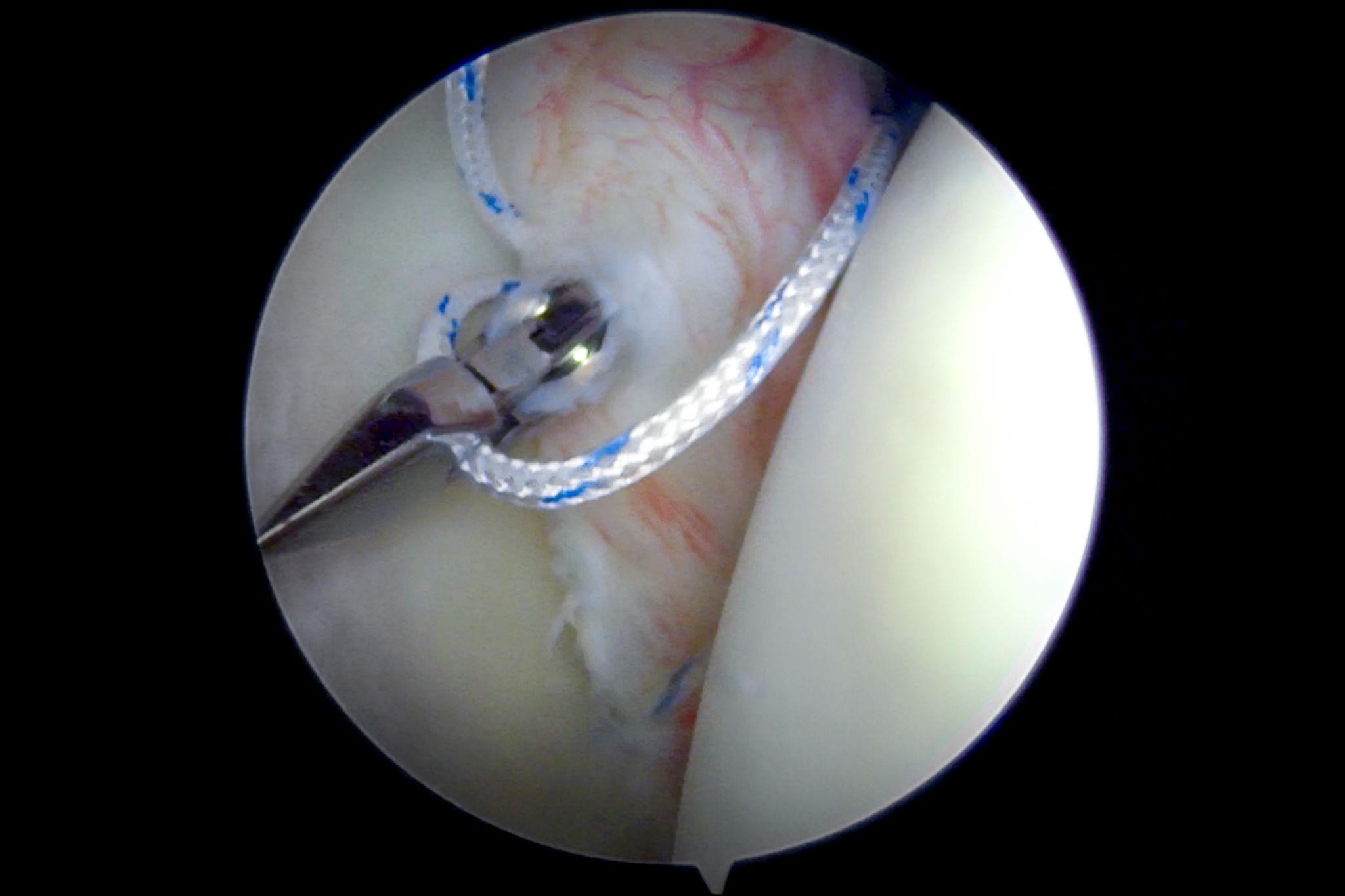
Miniature camera (arthroscope) inserted
Torn labrum reattached using anchors or sutures
Biceps tendon repaired or repositioned if unstable
For instability (Bankart lesion), the capsule may be tightened and folded (capsular plication).
Both arthroscopic and open procedures can be performed depending on the case.
Rehabilitation After Surgery
Recovery depends on tear type and repair performed.
General Timeline:
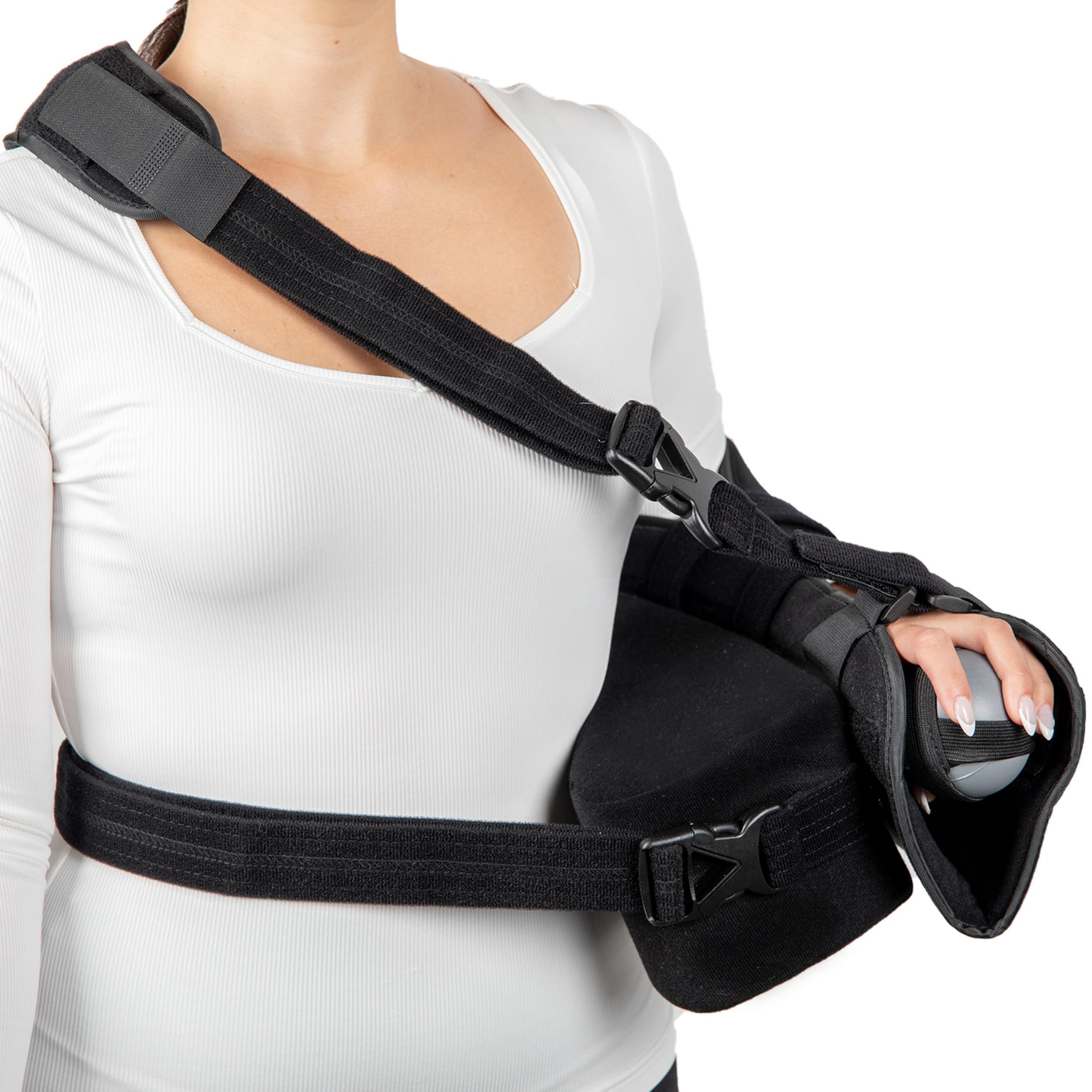
Sling immobilization: 2–6 weeks
Gentle passive motion: Early phase
Strengthening exercises: 6 weeks onward
Sports-specific training: Around 12 weeks
Full recovery: 4–6 months
Strict adherence to physiotherapy is essential for optimal outcome.
When to Consult Dr. Senthilvelan
Seek evaluation if you experience:
Recurrent shoulder dislocation
Persistent pain despite rest
Instability during activity
Clicking or locking sensation
Loss of athletic performance
Early intervention improves stability, function, and long-term joint health.
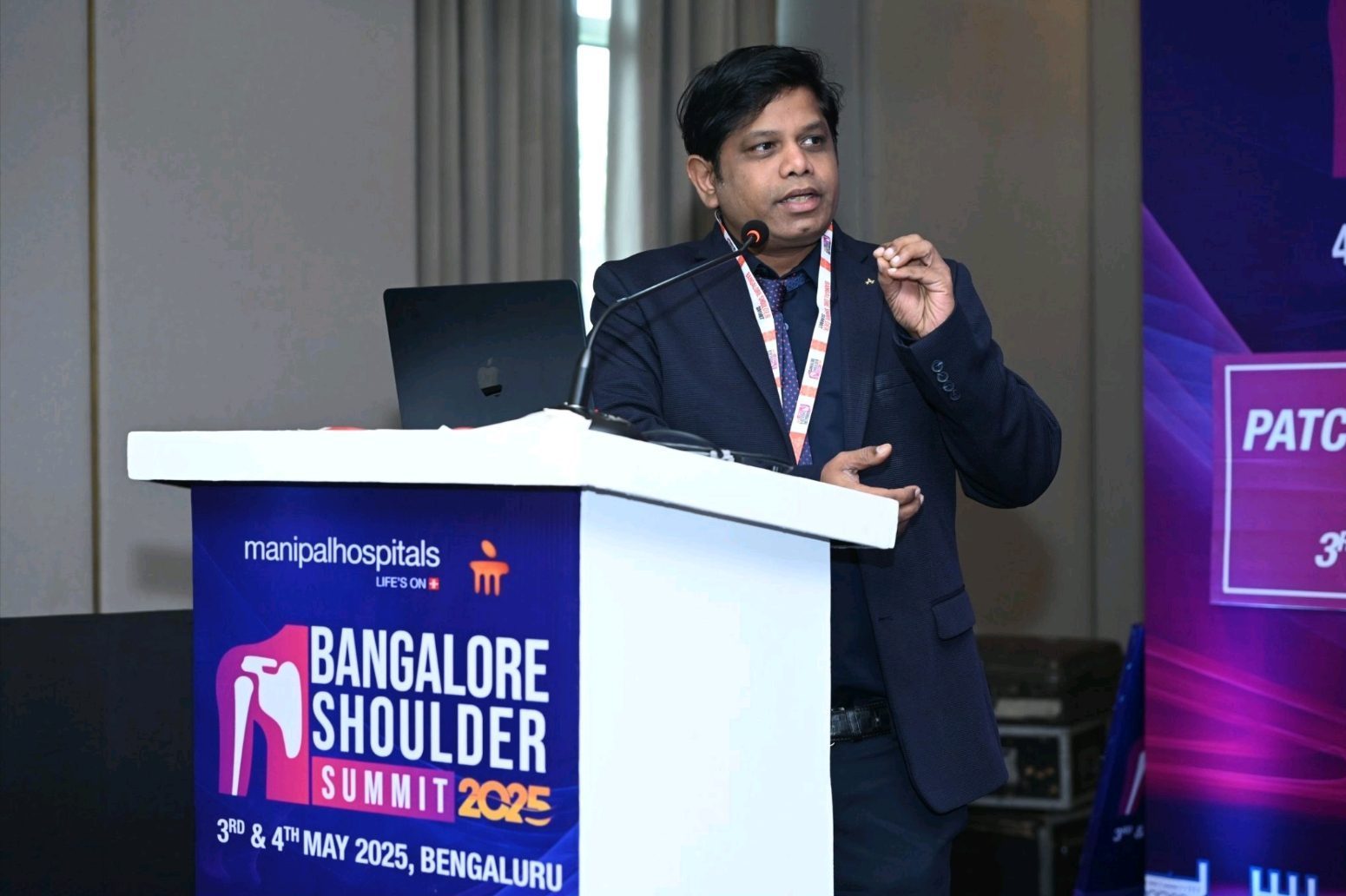
Dr. Senthil Velan is an internationally trained orthopaedic surgeon specializing in joint and sports injury care, dedicated to restoring mobility and relieving pain.
"Head of Dept - Shoulder Elbow Wrist surgery
Miot International , chennai"