Recurrent Shoulder Dislocation in Valasaravakkam, Chennai | Advanced Treatment for Shoulder Instability
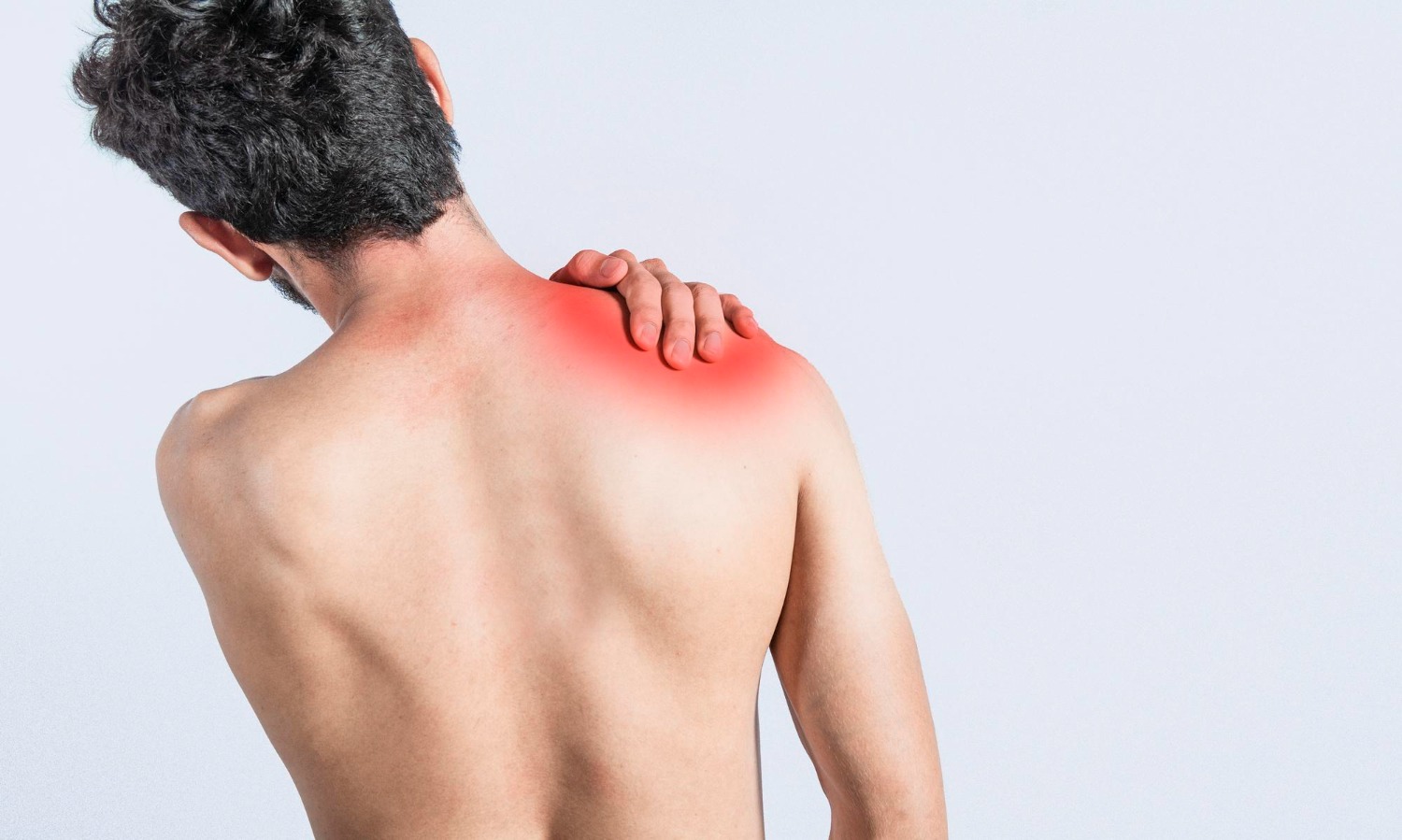
Recurrent shoulder dislocation happens when the shoulder joint repeatedly slips partially or completely out of its socket. After an initial dislocation, damage to the labrum, ligaments, joint capsule, or surrounding bone may increase the chances of further episodes, particularly during sports, gym workouts, and overhead movements.
Dr. Senthil Velan provides specialized assessment and treatment for recurrent shoulder dislocation in Valasaravakkam, Chennai. He evaluates the patient’s dislocation history, extent of structural damage, physical activity requirements, and diagnostic imaging findings to identify suitable treatment options.
Why Does the Shoulder Keep Dislocating?
The shoulder has a wide range of movement, making it particularly dependent on soft tissues for stability. Following a dislocation, these stabilizing structures may become stretched or damaged.
Common factors associated with recurrent shoulder instability include:
- Previous shoulder dislocation
- Bankart or labral injury
- Ligament and capsule damage
- Bone loss from repeated dislocations
- Shoulder laxity or hypermobility
- Contact and overhead sports
- Falls or high-impact injuries
- Inadequate recovery after an earlier dislocation
Repeated episodes can sometimes cause additional damage to the shoulder joint, making accurate assessment important.

Symptoms of Recurrent Shoulder Dislocation
Patients with recurrent instability may experience symptoms even when the shoulder has not completely dislocated. Common signs include:
- Repeated shoulder dislocation
- Shoulder slipping or partially coming out of position
- Feeling of instability during movement
- Pain during overhead activities
- Clicking or catching
- Weakness around the shoulder
- Difficulty participating in sports
- Fear of certain shoulder movements
- Reduced confidence while lifting or throwing
Some patients experience a sensation that the shoulder is going to come out during specific positions, particularly when the arm is raised and rotated outward.
Diagnosis of Recurrent Shoulder Instability
A detailed shoulder examination helps assess movement, stability, strength, and the direction of instability. The history of previous dislocations and the activities that trigger symptoms are also important.
Imaging may include X-rays and MRI or CT scans when required. These investigations can help identify labral injuries, ligament damage, cartilage problems, and bone loss that may influence the choice of treatment.
Treatment for Recurrent Shoulder Dislocation in Valasaravakkam, Chennai
The appropriate treatment depends on the patient’s age, frequency of dislocations, activity level, associated injuries, and the extent of structural changes affecting the shoulder joint.
Non-Surgical Treatment
For selected patients, particularly those without significant structural damage, conservative management may involve:
Modifying activities that increase the risk of shoulder instability
Physiotherapy to improve shoulder movement and control
Strengthening the rotator cuff and surrounding stabilizing muscles
Exercises to enhance joint coordination and shoulder stability
Sports-specific rehabilitation based on individual requirements
Guidance on avoiding positions that may trigger another dislocation
However, repeated dislocations or substantial structural damage may require surgical stabilization to improve shoulder stability and reduce the likelihood of future episodes.
Advanced Surgery for Recurrent Shoulder Dislocation
Surgery aims to restore stability by addressing the structures responsible for repeated instability. Depending on the individual condition, procedures may include:
- Arthroscopic Bankart repair – repairs a torn labrum and associated capsule.
- Arthroscopic shoulder stabilization – restores stability of the shoulder’s supporting tissues.
- Capsular tightening or repair – addresses excessive capsular laxity in selected cases.
- Bone-loss procedures – considered when significant bone loss is present.
- Revision stabilization – may be required when instability continues after previous surgery.
The appropriate procedure is determined after clinical assessment and evaluation of imaging findings.
Rehabilitation After Shoulder Stabilization
Rehabilitation is an important part of recovery following treatment for recurrent shoulder instability. Initially, the focus is on protecting the repaired structures while gradually restoring safe movement.
Later stages may include progressive strengthening of the rotator cuff and shoulder stabilizers, coordination exercises, functional training, and sport-specific rehabilitation.
Athletes generally require a gradual return-to-sport program based on shoulder strength, stability, movement, and functional recovery.
Why Choose Dr. Senthil Velan for Recurrent Shoulder Dislocation?
Dr. Senthil Velan specializes in evaluating shoulder instability and managing a wide range of upper limb conditions. His treatment approach emphasizes identifying the underlying cause of repeated dislocations and recommending appropriate solutions based on the patient’s shoulder anatomy, lifestyle, and functional needs.
Depending on the severity of the condition, treatment options may include guided rehabilitation, arthroscopic shoulder stabilization, labral repair, or surgical procedures to address associated bone loss and persistent instability. Each recommendation is based on clinical assessment, imaging findings, and the patient’s individual recovery goals.
Frequently Asked Questions
1. Why does my shoulder keep dislocating?
Repeated dislocation can occur when the labrum, ligaments, capsule, or bone supporting the shoulder has been damaged or when the joint has excessive instability.
2. Can recurrent shoulder dislocation be treated without surgery?
Some patients may benefit from physiotherapy and shoulder-strengthening programs. Surgery may be considered when instability repeatedly occurs or structural damage is present.
3. What is a Bankart repair?
A Bankart repair restores a torn labrum and supporting tissues around the shoulder socket. It may be performed arthroscopically for selected instability cases.
4. Is surgery necessary after multiple dislocations?
Not every patient requires surgery. The decision depends on factors such as recurrence, structural damage, age, activity level, and findings from clinical examination and imaging.
5. When can I return to sports after shoulder stabilization?
Return to sports varies according to the procedure and individual recovery. Rehabilitation generally progresses through mobility, strengthening, stability, and sport-specific functional stages.
Book a Recurrent Shoulder Dislocation Consultation in Valasaravakkam, Chennai
If your shoulder repeatedly slips out of its socket or feels unstable during exercise, sports, or everyday activities, consulting a shoulder specialist can help identify the underlying problem and determine suitable treatment options.
Consult Dr. Senthil Velan for specialized evaluation and treatment of recurrent shoulder dislocation and shoulder instability in Valasaravakkam, Chennai.