Osgood-Schlatter Disease
Overview
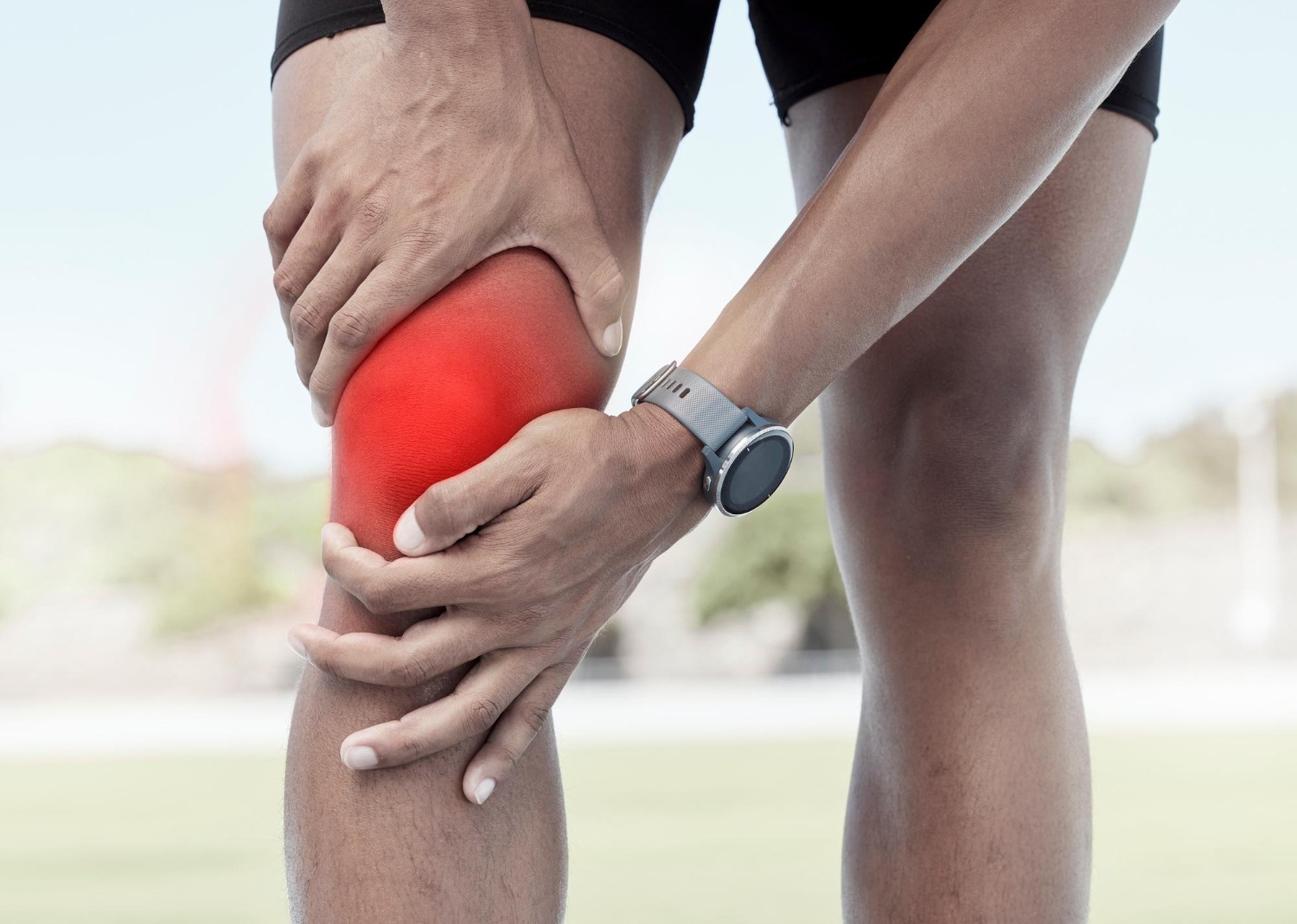
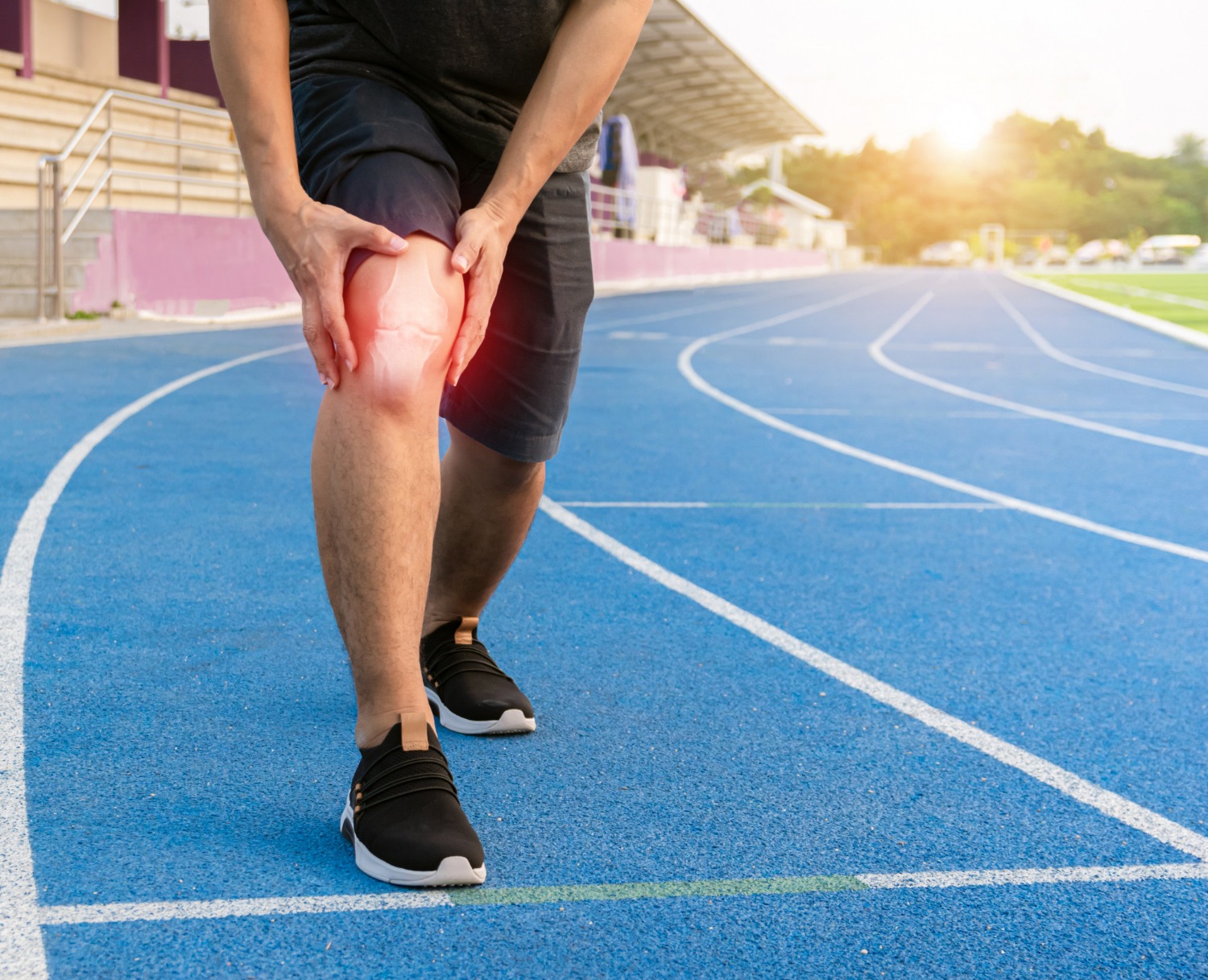
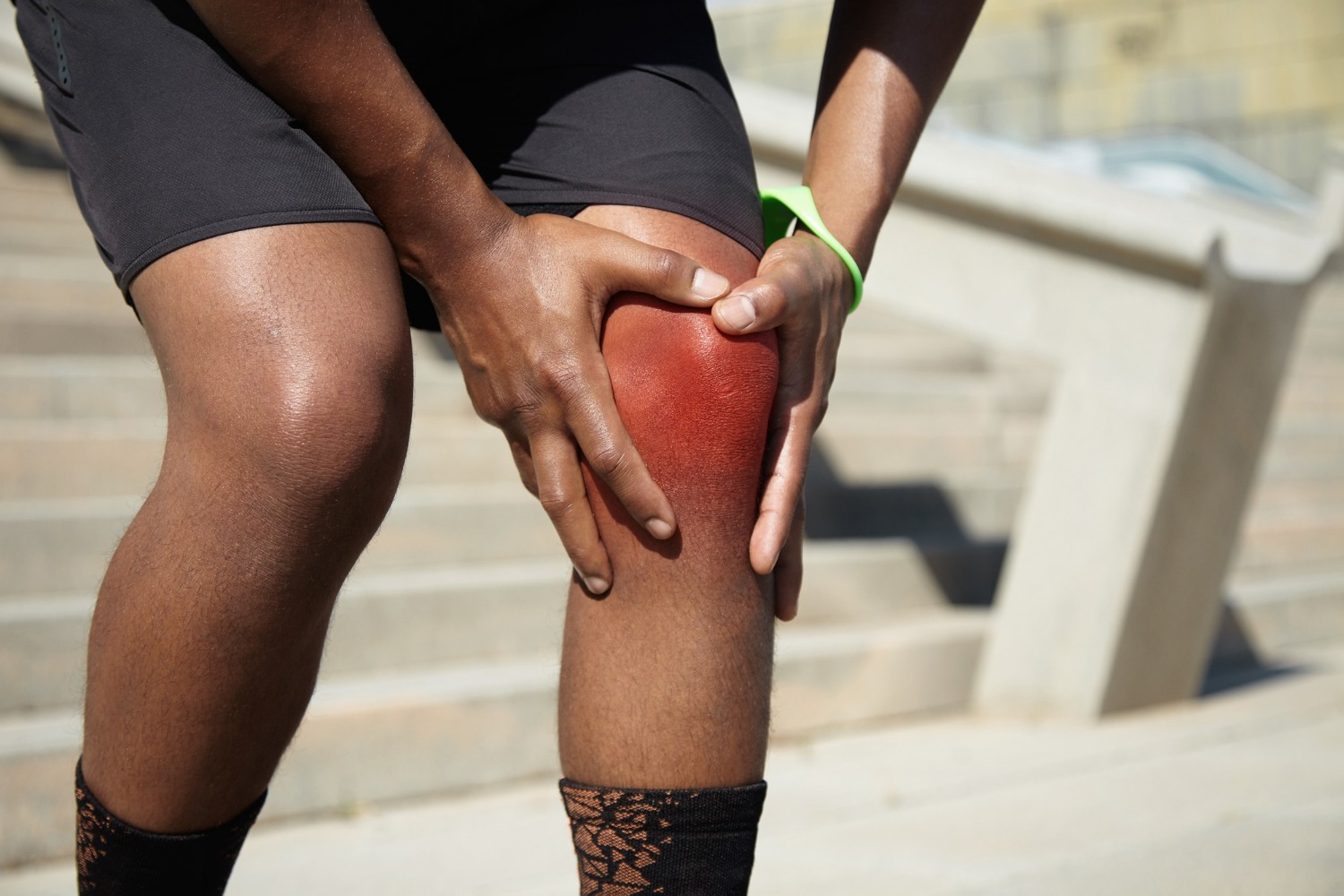
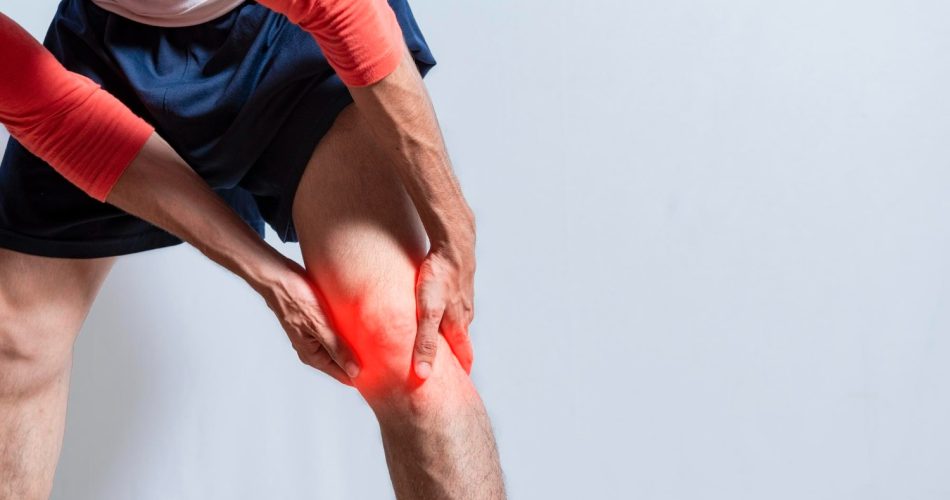
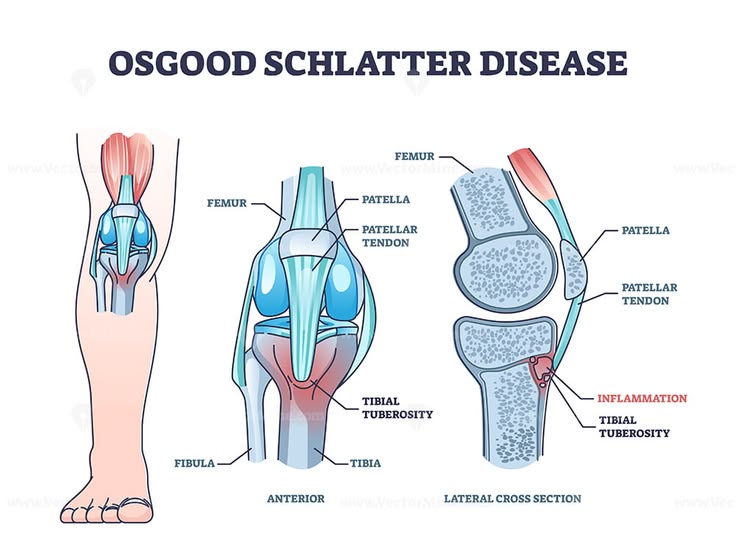
Osgood-Schlatter Disease is a common and painful condition affecting the tibial tuberosity — the bony prominence just below the kneecap — in growing children and adolescents. It occurs during growth spurts when the patellar tendon repeatedly pulls on the still-developing tibial growth plate, causing inflammation, micro-avulsion, and bony prominence. Though the name implies a ‘disease’, it is a self-limiting condition related to skeletal growth and sporting activity, resolving once the growth plate closes — but causing significant short-term disruption to sport participation.
Causes & Risk Factors
- Rapid skeletal growth during adolescent growth spurts (ages 10–15 in boys, 8–13 in girls)
- High-level sporting activity involving running and jumping during the growth period
- Quadriceps tightness during growth — the rapidly lengthening bone outpaces muscle extensibility
- Bilateral involvement in approximately 25–50% of affected adolescents
- More prevalent in athletic adolescents participating in football, basketball, gymnastics, and athletics
Signs & Symptoms
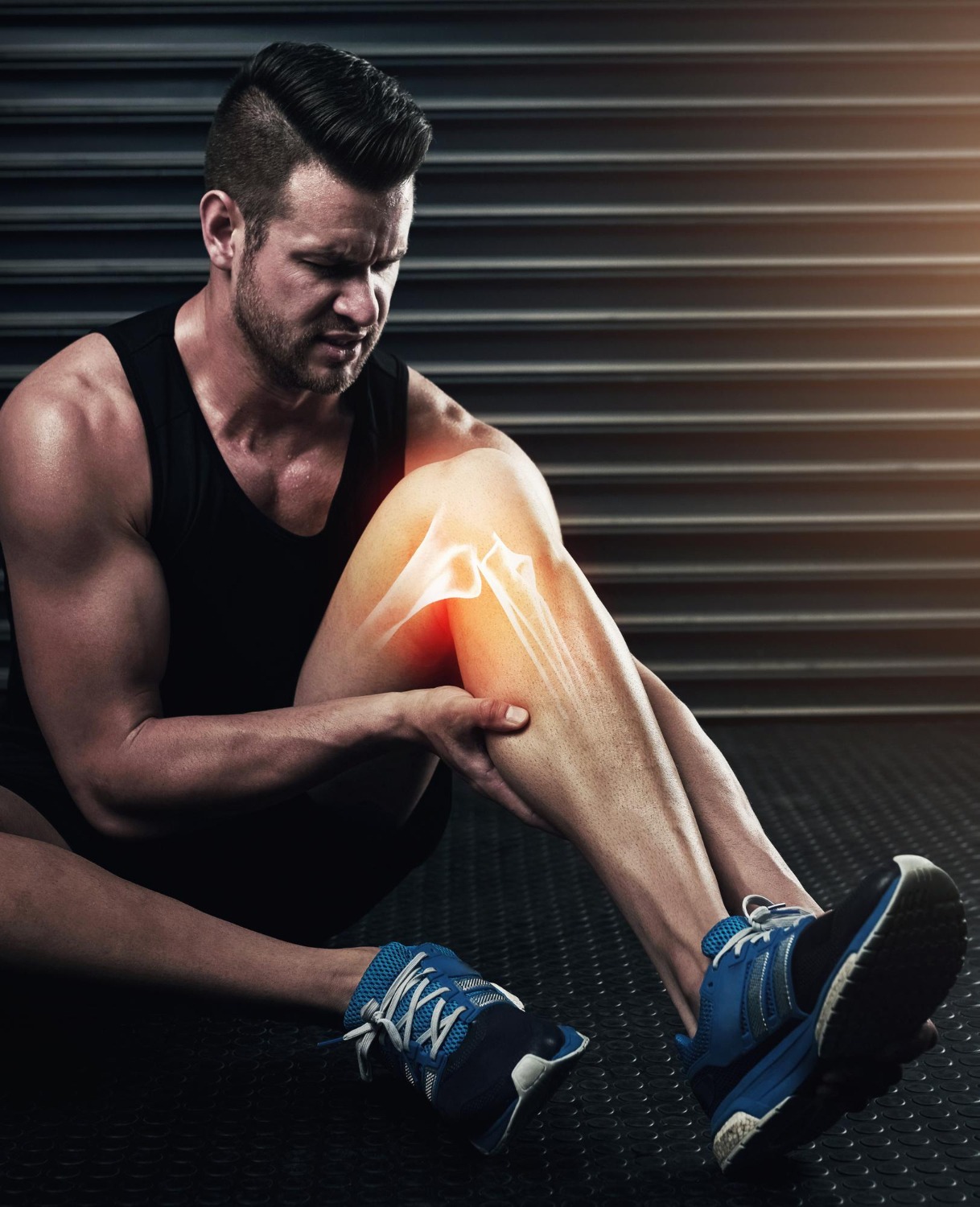
- Pain, swelling, and tenderness at the tibial tuberosity — the bony bump just below the kneecap
- Pain aggravated by running, jumping, kneeling, and direct pressure on the bump
- A visible, enlarged bony prominence at the front of the tibia below the knee
- Symptoms fluctuating with sporting activity — worse during periods of intense training
- No instability or locking — the knee joint itself is unaffected
Diagnosis
Diagnosis is entirely clinical based on age, activity level, and the characteristic location of tenderness. X-rays may show fragmentation of the tibial tuberosity ossification centre but are rarely required for diagnosis.
Treatment Options
- Activity modification: Temporary reduction in high-impact activities during painful flares
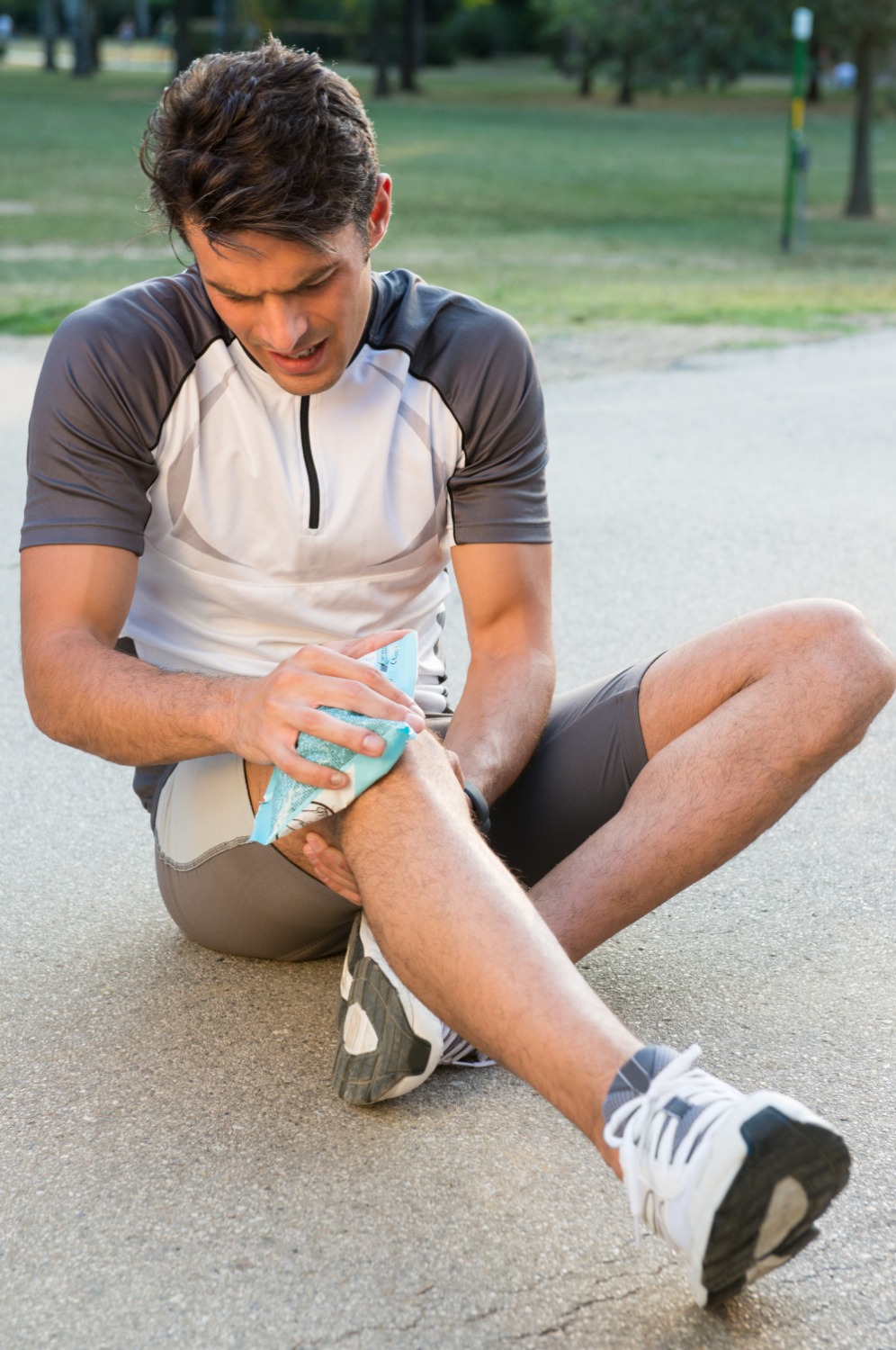
- Ice application after activity to manage pain and inflammation
- Quadriceps and hamstring stretching programme
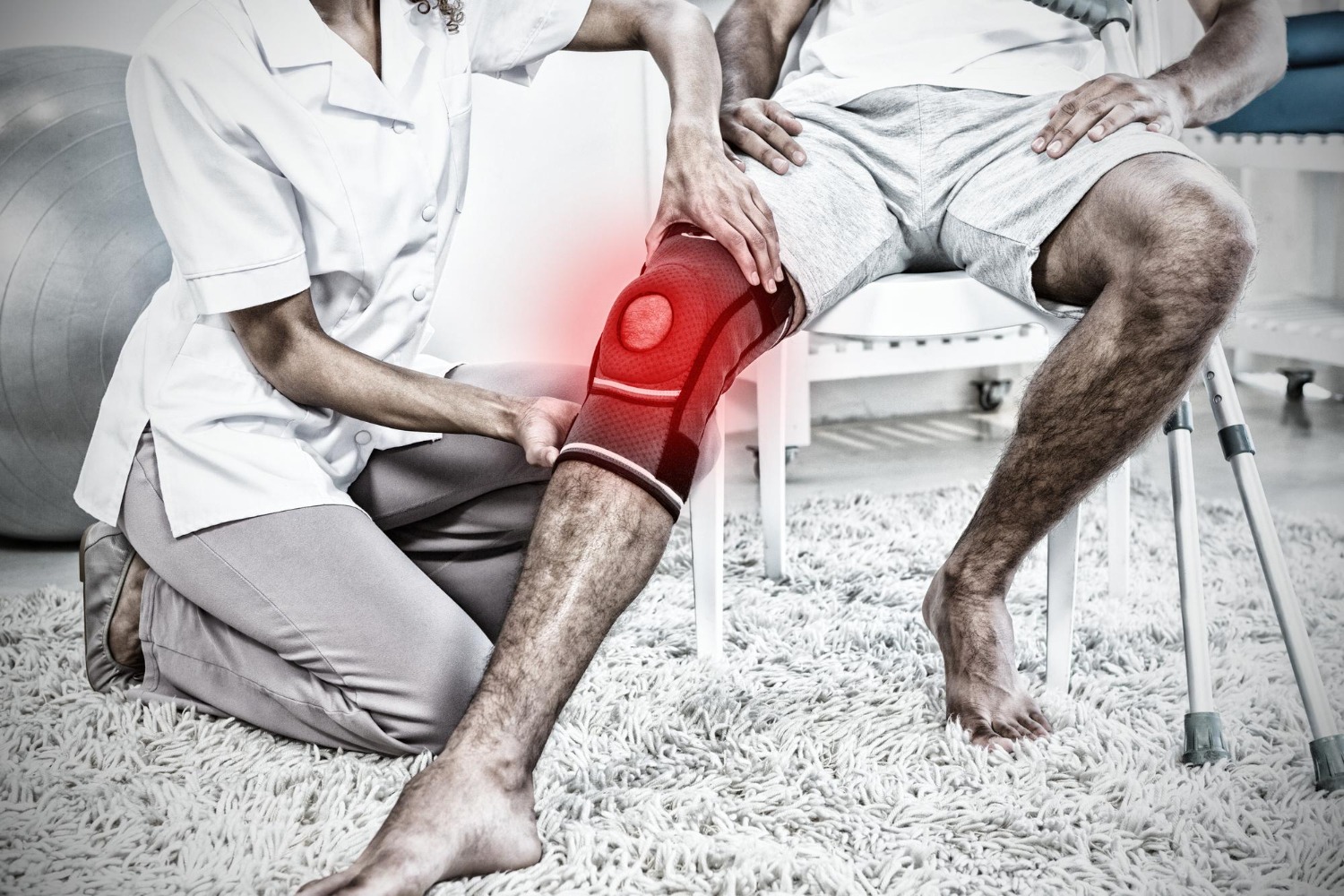
- Patellar tendon strapping or infrapatellar strap to redistribute tendon load
- Physiotherapy for muscle flexibility and graduated return to sport
- Surgical excision of the painful ossicle (bony fragment) in rare cases where symptoms persist beyond skeletal maturity
Patient FAQs – Osgood-Schlatter Disease
Is Osgood-Schlatter disease serious?
In the vast majority of cases, it is a self-limiting condition that resolves completely once the adolescent’s growth plates fuse. Permanent effects are rare, though some individuals retain a visible bony prominence at the tibial tuberosity into adulthood.
Does my child need to stop all sport?
Complete cessation is rarely necessary and often counterproductive to a young athlete’s development. Activity modification — reducing volume and impact during painful episodes, with a gradual return as symptoms allow — is the recommended approach.
Will Osgood-Schlatter cause knee problems in adulthood?
The vast majority of people with Osgood-Schlatter disease have no significant knee problems as adults. A small percentage develop a persistent painful ossicle that may require surgical removal in adulthood if symptomatic.