Cubital Tunnel Surgery in Tambaram, Chennai | Advanced Treatment for Ulnar Nerve Compression
Specialized Elbow & Nerve Care by Dr. Senthil Velan
Persistent tingling, numbness, discomfort, or weakness involving the elbow, forearm, ring finger, and little finger may be associated with cubital tunnel syndrome. When symptoms continue despite suitable conservative treatment or begin to interfere with hand function, Cubital Tunnel Surgery in Tambaram, Chennai may be considered to reduce pressure on the ulnar nerve and help protect normal hand movement.
Dr. Senthil Velan specializes in disorders involving the shoulder, elbow, wrist, and upper limb. His approach begins with a detailed assessment of nerve-related symptoms, examination of elbow and hand function, and identification of the location and severity of nerve compression. Treatment is then planned according to each patient’s condition and functional requirements.
What is Cubital Tunnel Syndrome?
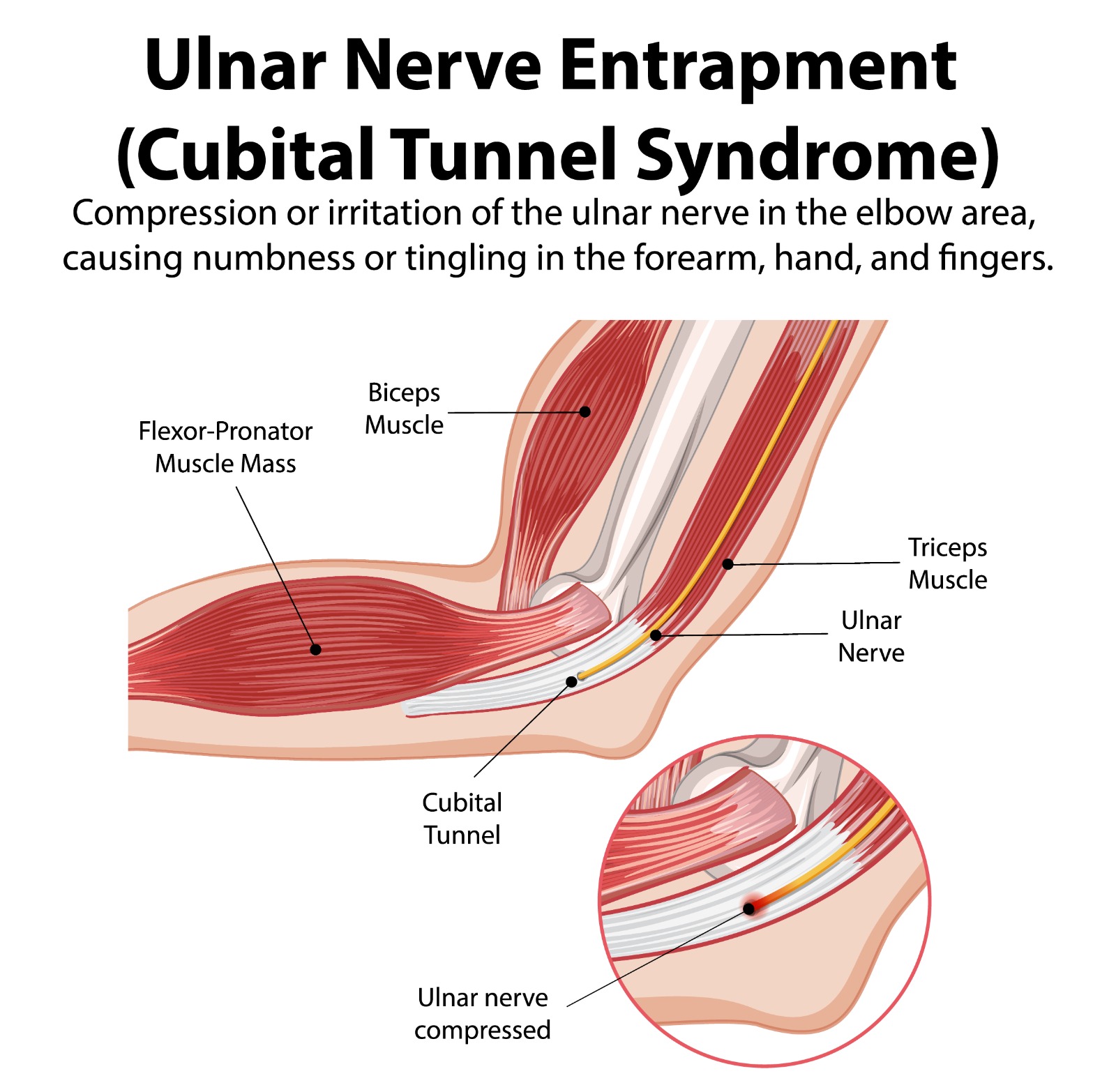
Cubital tunnel syndrome occurs when the ulnar nerve becomes compressed or irritated around the inner side of the elbow. The ulnar nerve travels through a narrow passage called the cubital tunnel and provides sensation to the little finger and part of the ring finger while also controlling several muscles in the hand.
Repeated elbow bending, prolonged pressure on the elbow, previous injuries, or anatomical changes around the nerve can contribute to compression. Without appropriate treatment, prolonged severe compression may lead to persistent numbness and muscle weakness.
Common Symptoms of Cubital Tunnel Syndrome
Symptoms can initially be intermittent and become more noticeable as nerve compression progresses. Common signs include:
- Tingling in the ring and little fingers
- Numbness in the hand
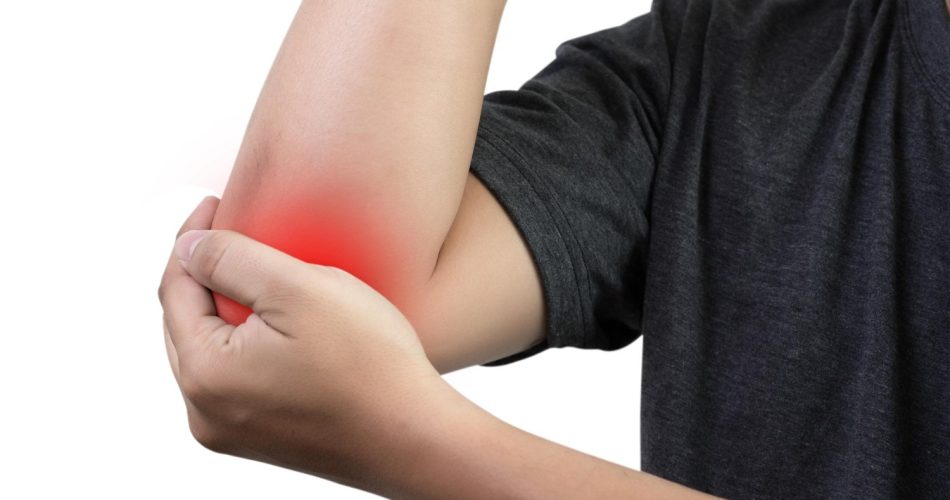
- Pain or discomfort around the inner elbow
- Symptoms that worsen when the elbow remains bent
- Reduced grip or pinch strength
- Difficulty with fine hand movements
- Hand weakness in more advanced cases
- Muscle wasting in severe, longstanding nerve compression
Persistent numbness or progressive weakness should be evaluated by a specialist.
What Causes Ulnar Nerve Compression?
Several factors can place increased pressure or tension on the ulnar nerve around the elbow, including:
- Repeated bending of the elbow
- Leaning on the elbow for prolonged periods
- Repetitive occupational activities
- Previous elbow fractures or injuries
- Arthritis or structural changes around the joint
- Swelling around the elbow
- Ulnar nerve instability
- Sports involving repeated elbow movement
Identifying contributing factors is important when planning treatment and preventing further nerve irritation.
Diagnosis of Cubital Tunnel Syndrome
Accurate diagnosis is essential because numbness and weakness in the hand can have several possible causes.
Evaluation may involve a detailed history, physical examination, assessment of sensation and muscle strength, and tests that evaluate ulnar nerve irritation around the elbow.
When required, nerve conduction studies and electromyography (EMG) can help assess the location and severity of nerve dysfunction. Imaging may also be recommended when an underlying elbow condition is suspected.
When is Cubital Tunnel Surgery Recommended?
Cubital Tunnel Surgery in Tambaram, Chennai may be considered when symptoms remain significant after appropriate non-surgical treatment or when clinical examination and nerve investigations show more advanced ulnar nerve compression.
Surgery may be considered for patients experiencing:
- Persistent numbness or tingling in the affected fingers
- Progressive weakness in the hand or forearm
- Reduced grip strength or hand control
- Muscle wasting caused by prolonged nerve compression
- Significant nerve compression identified through testing
- Symptoms affecting work, sleep, or everyday activities
- Limited improvement despite appropriate conservative management
The decision to proceed with surgery depends on the severity and duration of compression, the extent of nerve involvement, diagnostic findings, and the individual needs of the patient.
Types of Cubital Tunnel Surgery
The objective of surgery is to reduce pressure on the ulnar nerve and provide an environment in which the nerve can recover.
Depending on the patient’s anatomy and clinical findings, procedures may include:
Ulnar Nerve Decompression
The structures compressing the ulnar nerve are released to create additional space around the nerve.
Ulnar Nerve Transposition
In selected patients, the nerve may be repositioned from behind the medial epicondyle to reduce tension or repeated irritation during elbow movement.
The most appropriate procedure is selected after evaluating the individual patient’s nerve compression and elbow anatomy.
Benefits of Cubital Tunnel Surgery
For appropriately selected patients, surgical decompression can help:
- Reduce nerve compression
- Improve tingling and numbness
- Prevent progression of nerve damage
- Improve hand and finger function
- Support recovery of grip strength
- Reduce discomfort associated with elbow movement
- Improve performance of everyday activities
The degree and speed of nerve recovery can vary, particularly when compression has been severe or present for a long period.
Recovery After Cubital Tunnel Surgery
Recovery depends on the type of procedure performed and the severity of nerve damage before surgery. Patients receive instructions regarding wound care, elbow movement, activity restrictions, and rehabilitation.
Recovery may focus on:
- Protecting the surgical area
- Gradually restoring elbow movement
- Reducing swelling and discomfort
- Improving hand and forearm strength
- Restoring grip and fine motor function
- Gradual return to occupational activities
- Nerve rehabilitation where appropriate
Because nerves recover gradually, improvement in sensation and strength may continue over time.
Why Choose Cubital Tunnel Surgery in Tambaram, Chennai?
Specialist assessment is important for suspected ulnar nerve compression because persistent pressure can potentially affect hand sensation, strength, and functional ability.
Patients seeking treatment in Tambaram and nearby areas can benefit from:
- Specialized assessment of upper limb nerve conditions
- Detailed evaluation of elbow and ulnar nerve function
- Nerve conduction testing when clinically indicated
- Conservative treatment for appropriate cases
- Advanced ulnar nerve decompression techniques
- Individualized surgical planning
- Structured rehabilitation and post-operative recovery guidance
The treatment objective is not simply to control symptoms but also to relieve nerve pressure, preserve hand function, and support long-term recovery.
Why Consult Dr. Senthil Velan?
Dr. Senthil Velan has focused expertise in conditions affecting the shoulder, elbow, wrist, and upper limb. Patients presenting with possible cubital tunnel syndrome receive a comprehensive evaluation to identify the cause of symptoms and determine the severity of ulnar nerve involvement.
Treatment is personalized according to the patient’s clinical findings. Conservative management is considered whenever suitable, while surgery may be recommended when examination and diagnostic investigations demonstrate that nerve decompression is appropriate.
Frequently Asked Questions
What is cubital tunnel syndrome?
Cubital tunnel syndrome occurs when the ulnar nerve becomes compressed around the elbow, potentially causing numbness, tingling, weakness, and reduced hand function.
Does cubital tunnel syndrome always require surgery?
No. Mild cases may improve with activity modification, elbow positioning, splinting, and other conservative treatments. Surgery is considered for persistent or severe compression.
What does cubital tunnel surgery involve?
Surgery relieves pressure around the ulnar nerve. Depending on the condition, decompression alone or repositioning of the nerve may be recommended.
How long does recovery take after cubital tunnel surgery?
Recovery varies according to nerve severity and surgical technique. Elbow recovery may occur relatively quickly, while nerve improvement can continue gradually over several months.
When should I consult a specialist for cubital tunnel syndrome?
Seek specialist evaluation for persistent finger numbness, worsening tingling, grip weakness, loss of coordination, or visible muscle weakness affecting the hand.
Book Your Consultation
If you experience ongoing numbness or tingling in the ring or little finger, inner elbow discomfort, reduced grip strength, or increasing weakness in the hand, specialist assessment can help determine whether ulnar nerve compression is contributing to your symptoms.
Consult Dr. Senthil Velan for expert evaluation and Cubital Tunnel Surgery in Tambaram, Chennai, with treatment focused on relieving nerve compression, preserving hand function, and supporting a structured recovery.