ACL Tear (Anterior Cruciate Ligament Rupture)
Overview
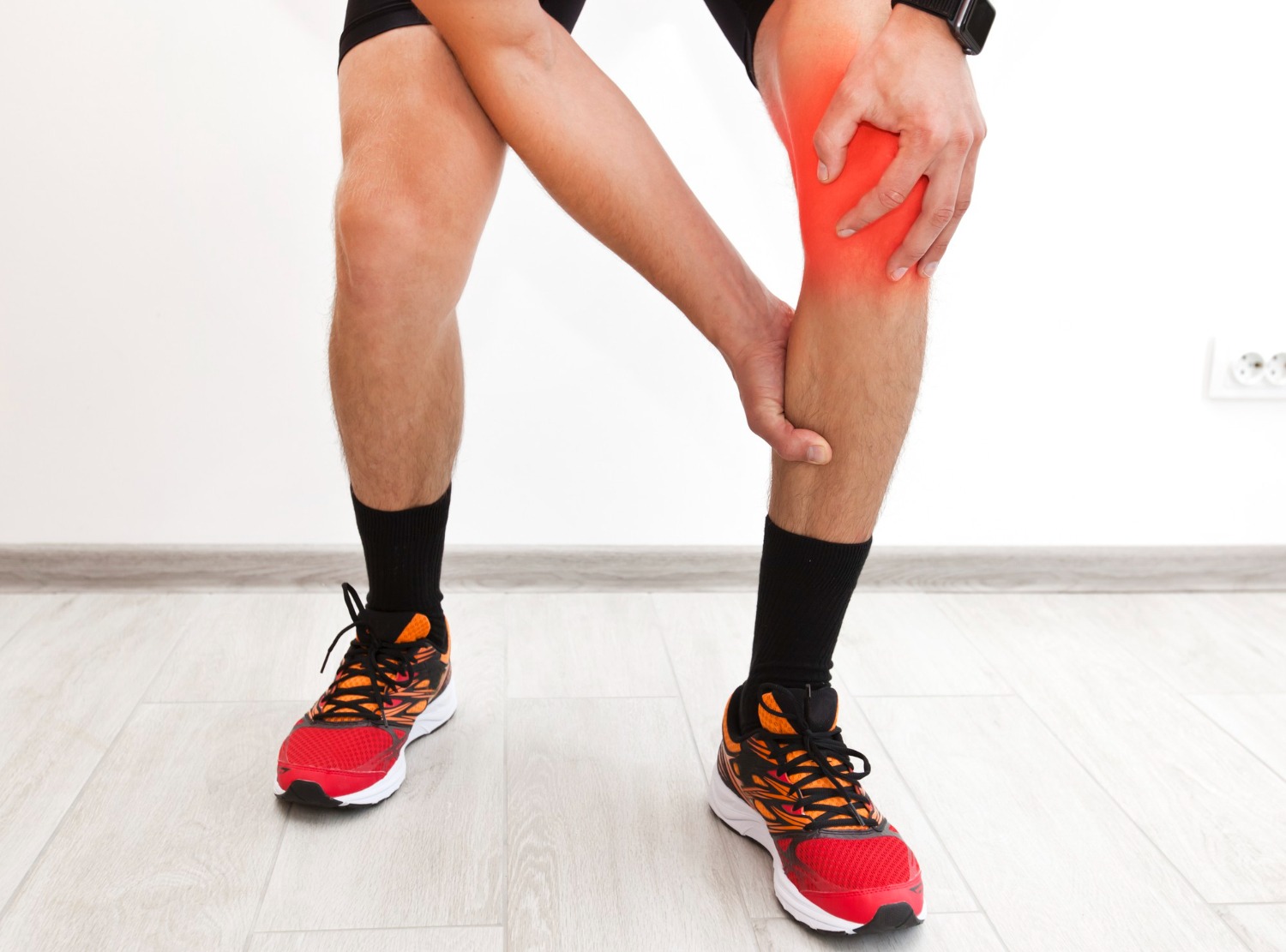
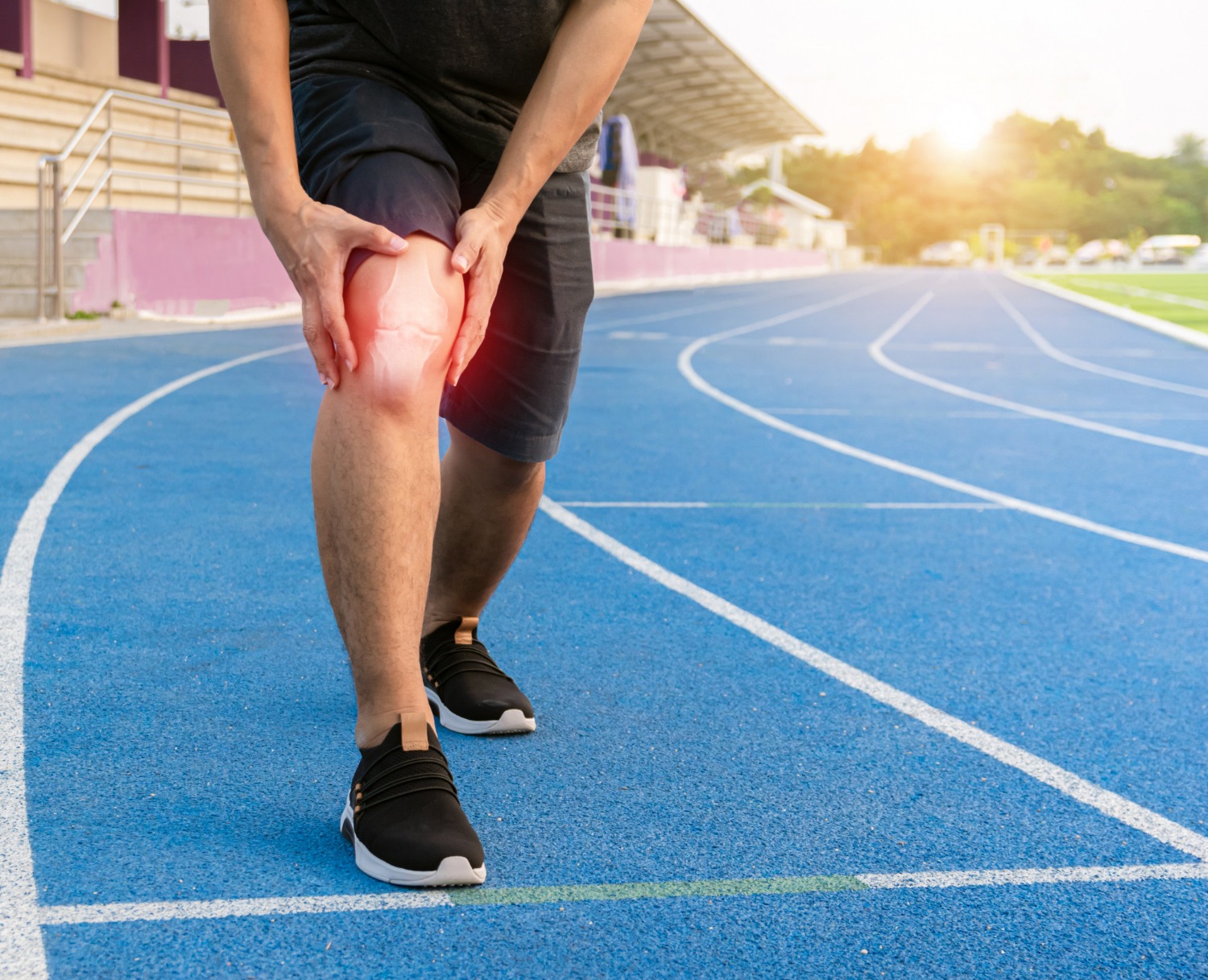
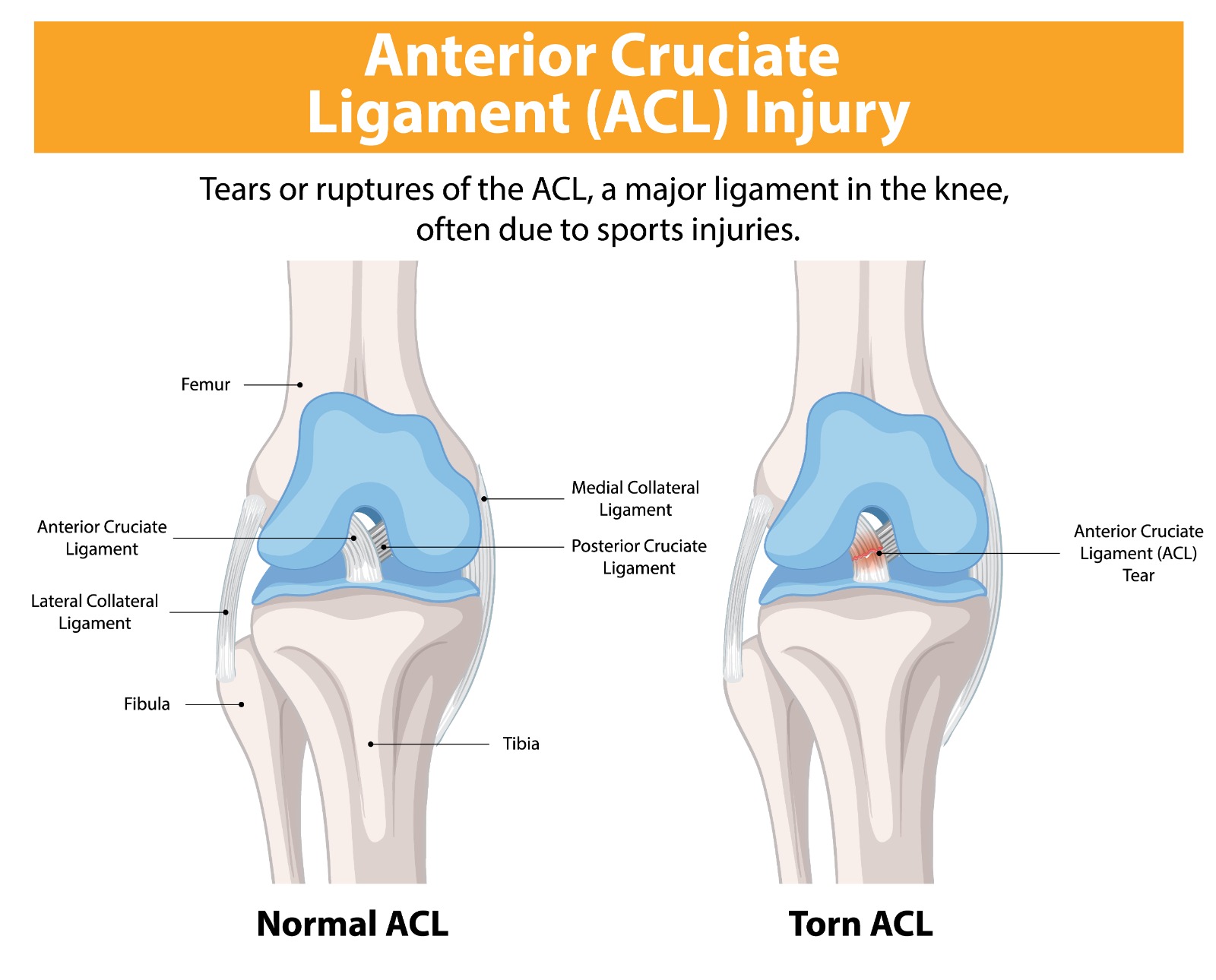
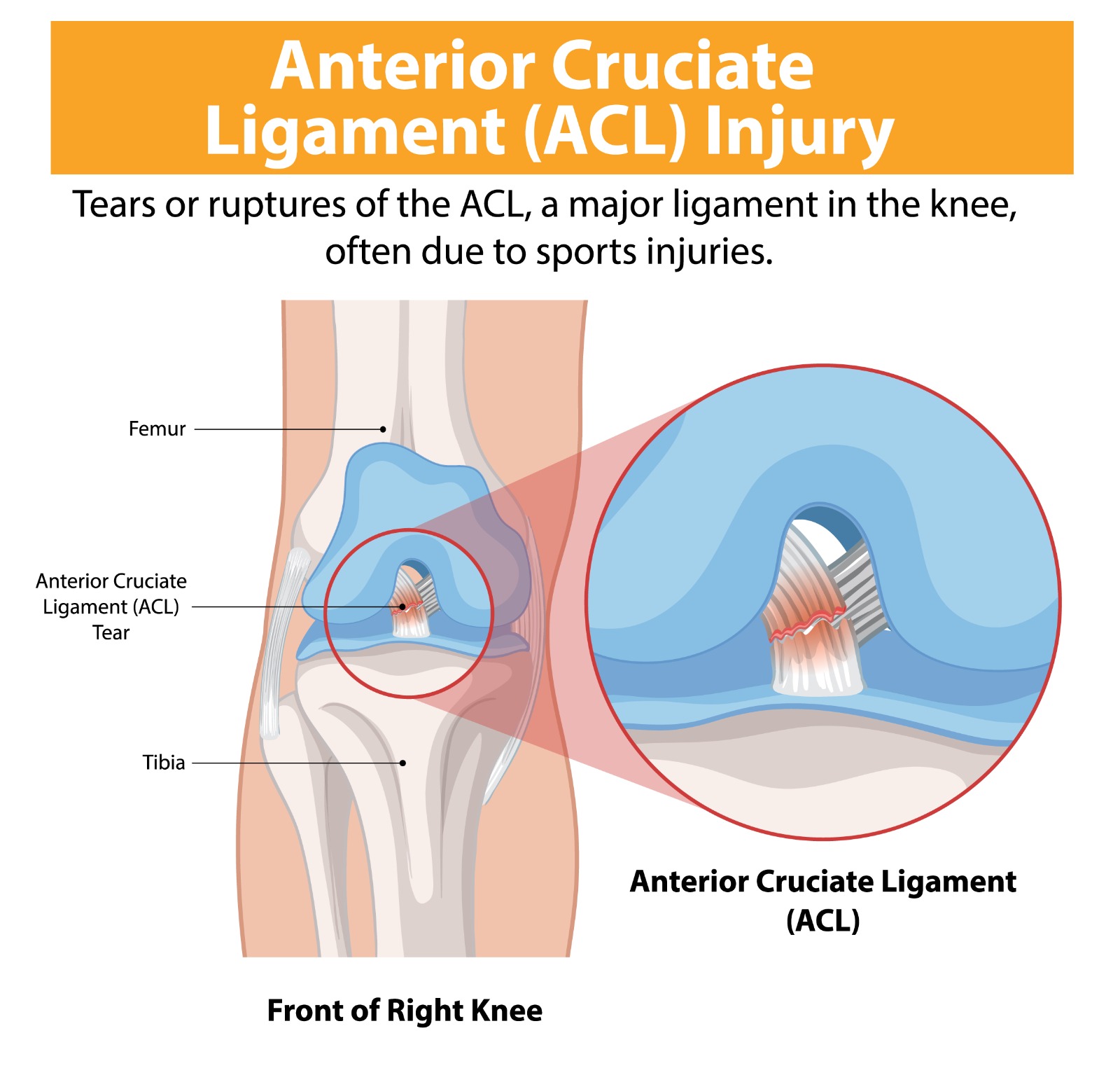
An anterior cruciate ligament (ACL) tear is one of the most significant and commonly encountered sports injuries of the knee. The ACL is a key stabilising ligament within the knee joint that controls rotational movement and anterior (forward) translation of the tibia. ACL tears predominantly affect athletes involved in pivoting, cutting, and jumping sports — including football, cricket, basketball, badminton, and kabaddi. The injury can be partial or complete, with complete tears typically requiring surgical reconstruction to restore knee stability and enable a safe return to sport.
Causes & Risk Factors
- Sudden deceleration, pivoting, or change of direction during sport — the classic non-contact mechanism
- Landing awkwardly from a jump with the knee in a vulnerable valgus (knock-knee) position
- Direct contact or collision with another player or object
- Female athletes have a 2–8 times higher ACL injury rate due to anatomical, hormonal, and biomechanical factors
- Inadequate warm-up, fatigue, or poor neuromuscular control increasing injury risk
Signs & Symptoms
- A loud ‘pop’ heard or felt at the moment of injury — a hallmark feature
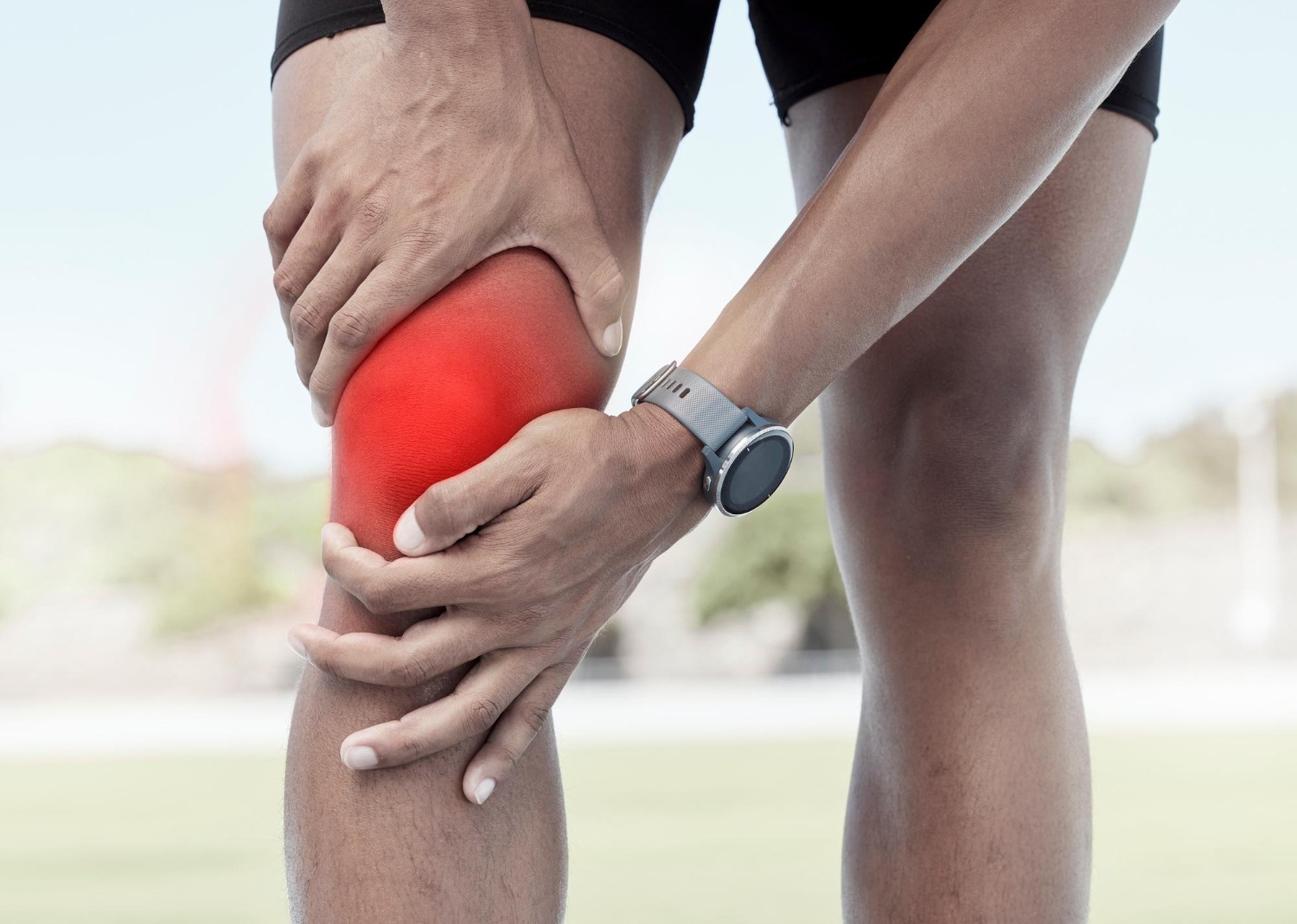
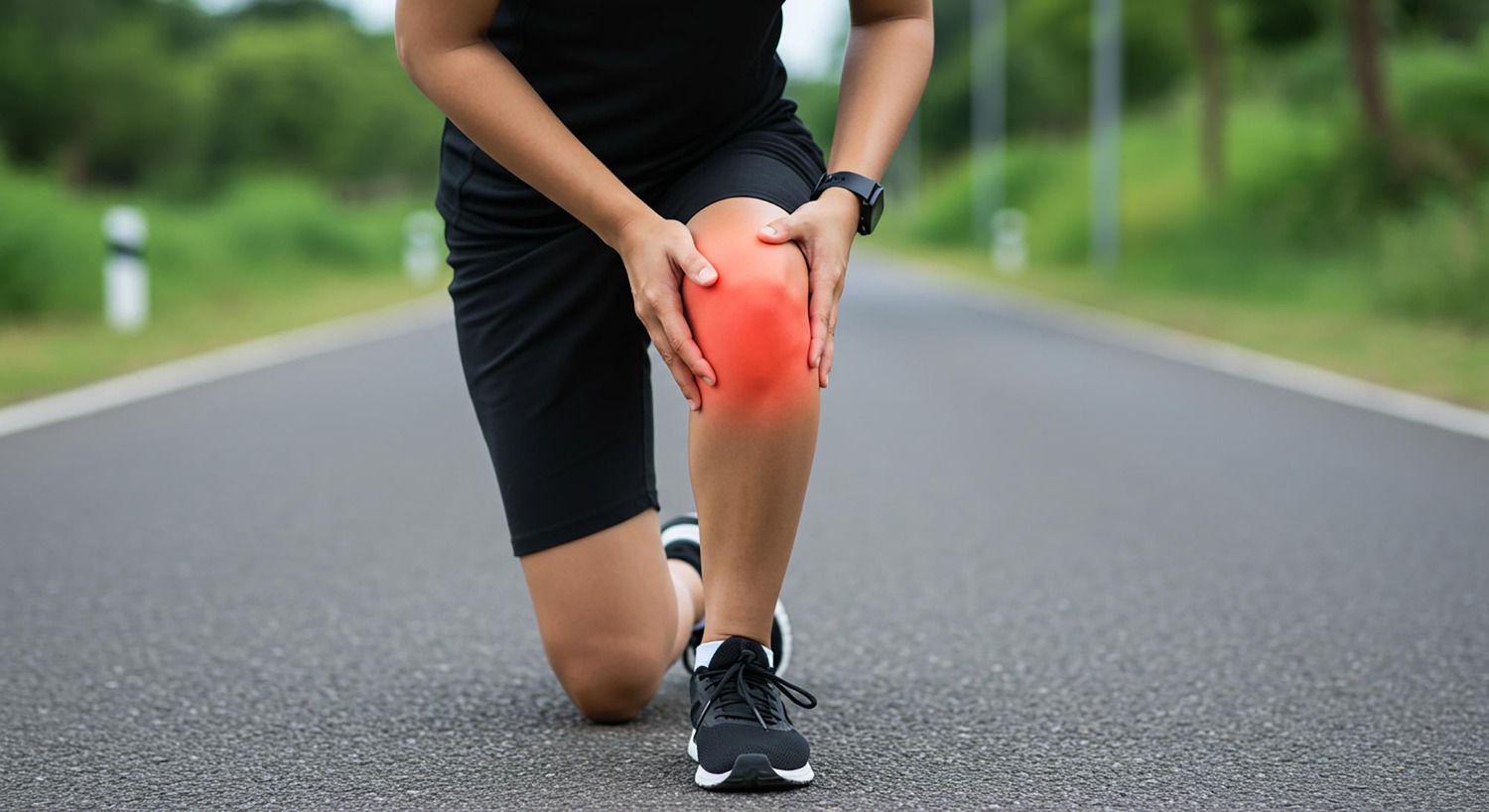
- Immediate onset of severe knee pain
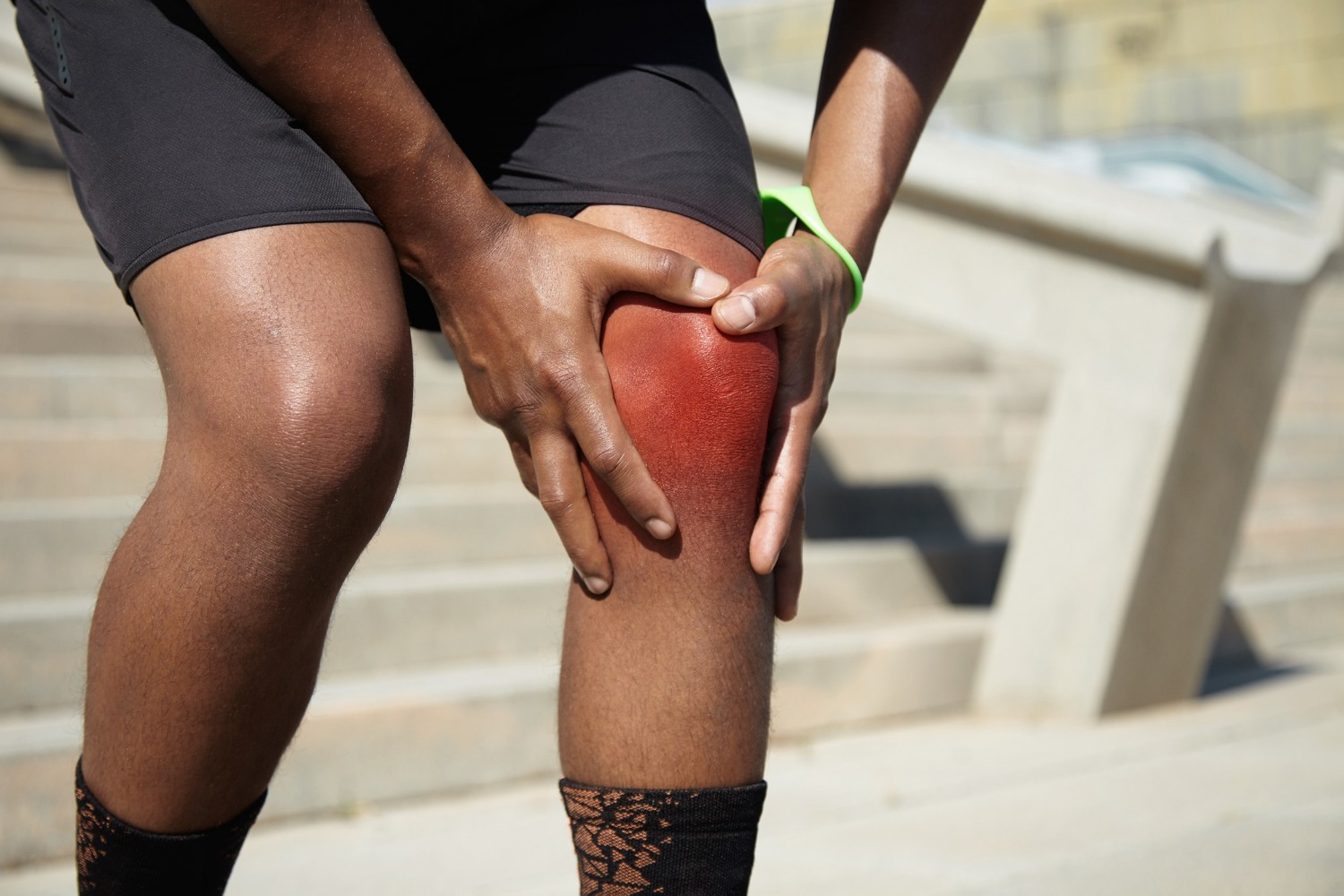
- Rapid swelling of the knee (haemarthrosis) within 2–6 hours of injury
- Feeling of instability or the knee ‘giving way’ during pivoting or lateral movement
- Loss of full range of knee motion due to pain and swelling
- Difficulty bearing full weight on the affected leg
Diagnosis
Clinical examination — the Lachman test and pivot shift test — demonstrates anterior instability of the knee. MRI is the investigation of choice, confirming the diagnosis, identifying the degree of ligament tear, and assessing concurrent injuries to the menisci, cartilage, and collateral ligaments.
Treatment Options
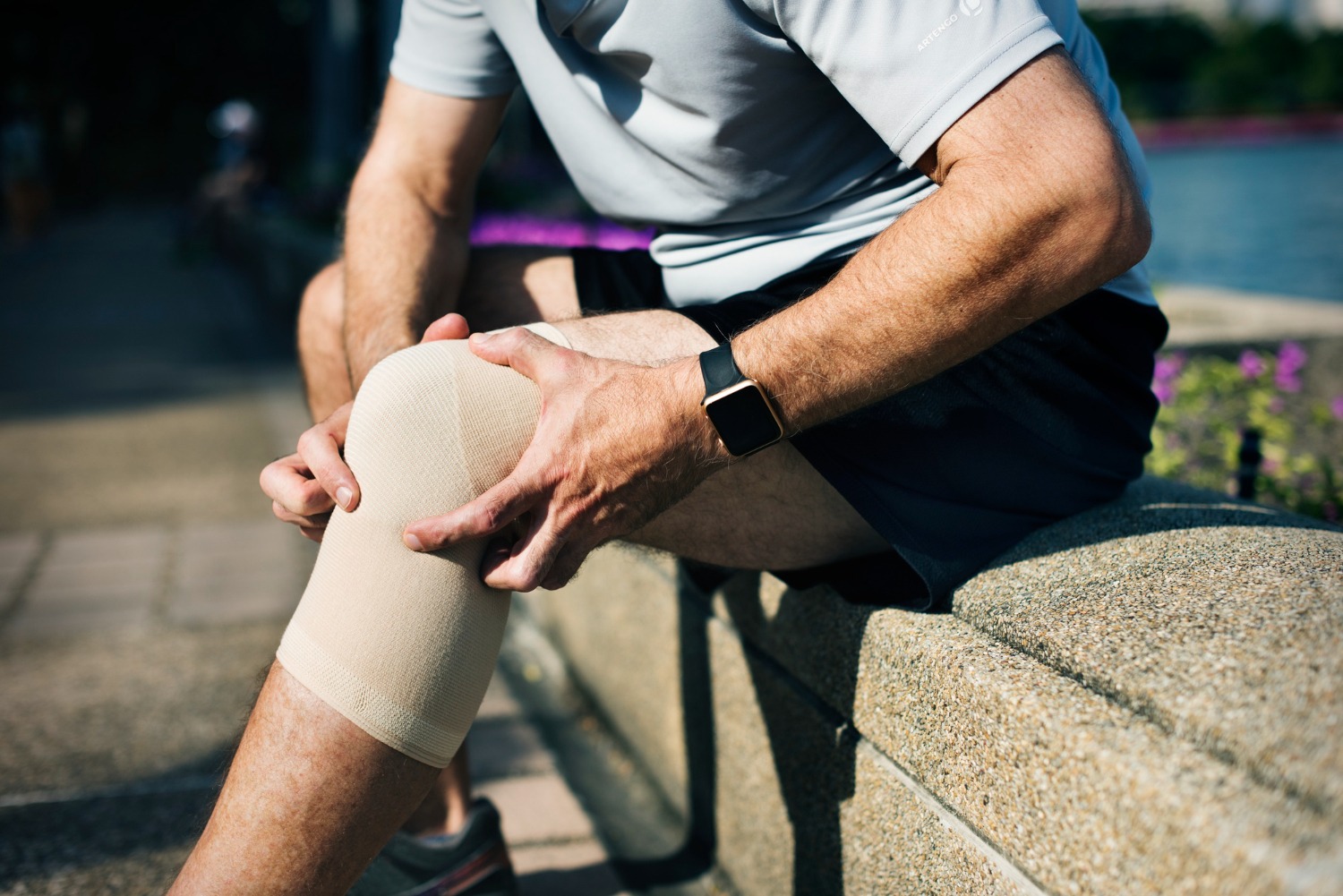
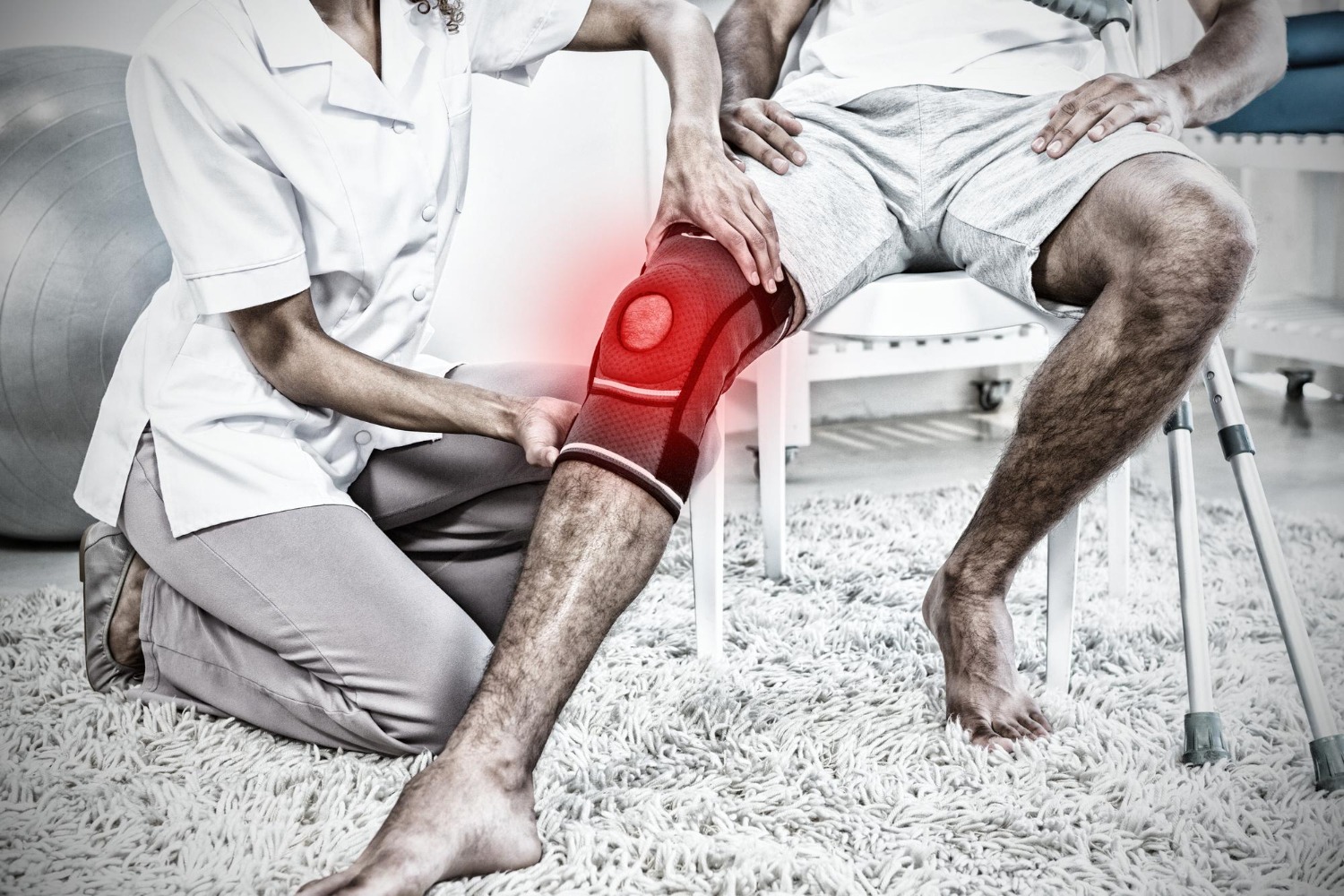
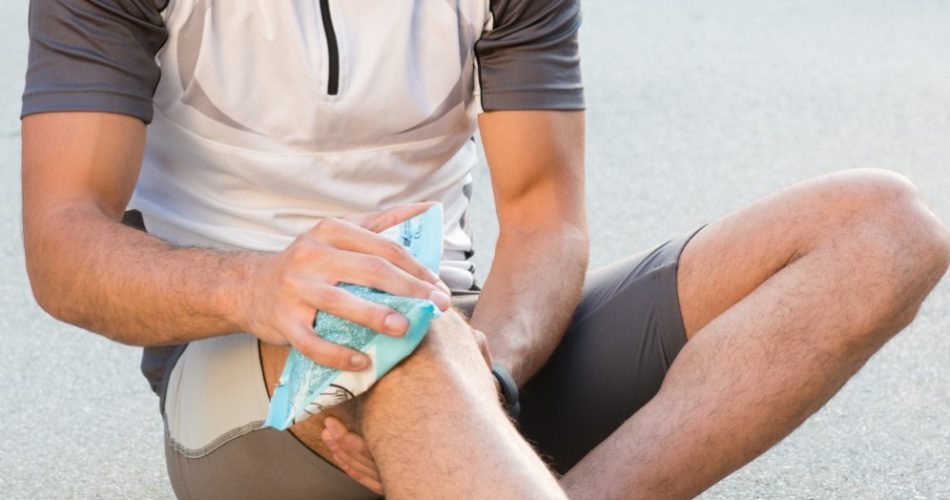
- Acute management: RICE protocol (Rest, Ice, Compression, Elevation), crutches, and knee brace
- Physiotherapy for muscle strengthening and neuromuscular retraining — appropriate for selected low-demand patients who do not wish to return to pivoting sport
- Surgical ACL reconstruction: Replacement of the torn ligament with a graft — hamstring tendon (most common), patellar tendon, or quadriceps tendon — performed arthroscopically
- Augmentation techniques for partial tears in select patients
- Structured post-operative rehabilitation programme spanning 9–12 months for safe return to sport
Patient FAQs – ACL Tear (Anterior Cruciate Ligament Rupture)
Can an ACL tear heal without surgery?
A completely torn ACL does not heal on its own due to its poor blood supply and intra-articular environment. Without surgery, the knee often remains unstable with pivoting activities, risking further meniscal and cartilage damage. Surgical reconstruction is recommended for athletes and active individuals.
How long is recovery after ACL reconstruction?
Return to non-pivoting activity typically takes 4–6 months. Return to full pivoting and contact sport requires 9–12 months of structured rehabilitation. Returning too early significantly increases re-rupture risk.
What is the risk of re-tearing the reconstructed ACL?
Re-rupture rates are approximately 5–15% in athletes returning to high-demand sport. Factors influencing risk include age (younger athletes have higher rates), graft type, rehabilitation quality, and return-to-sport timing. Psychological readiness is also an important determinant.