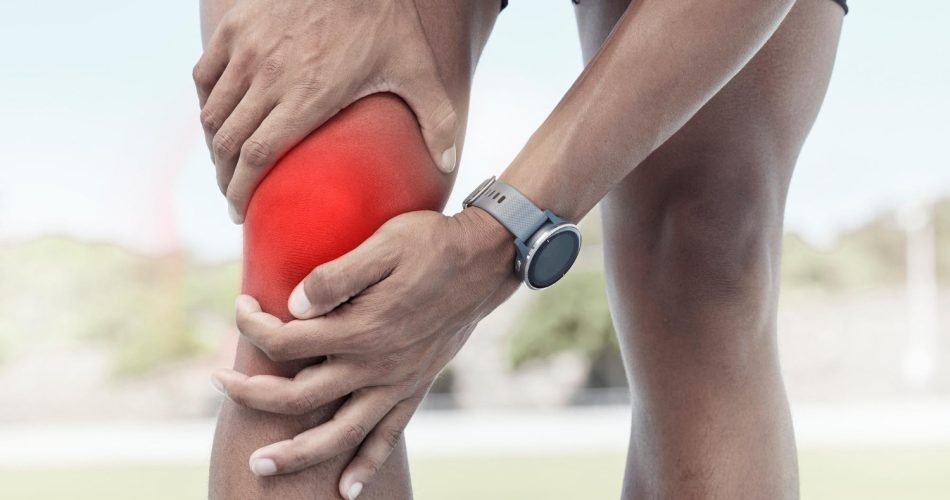
Patellofemoral Pain Syndrome (Runner's Knee)
Overview
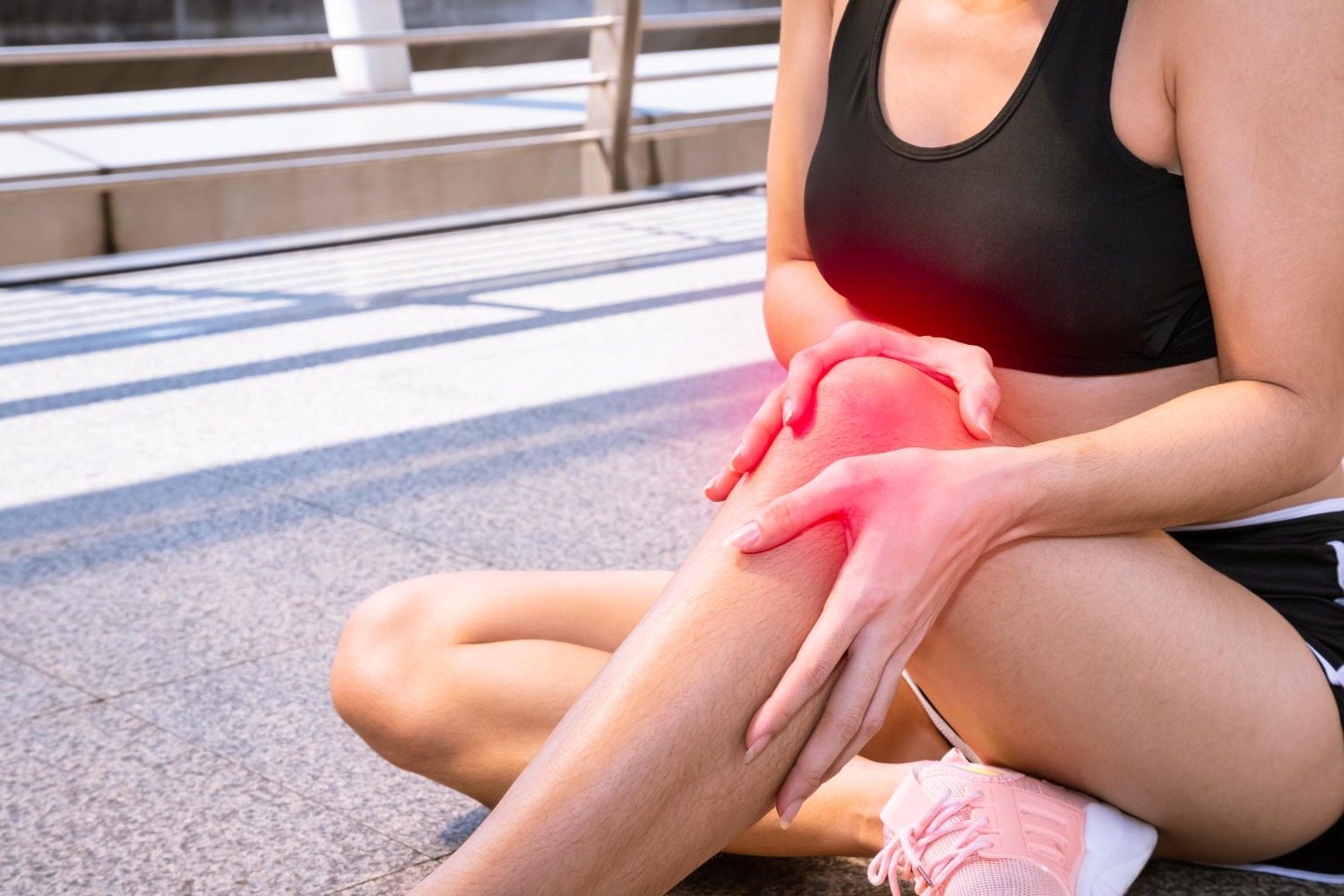
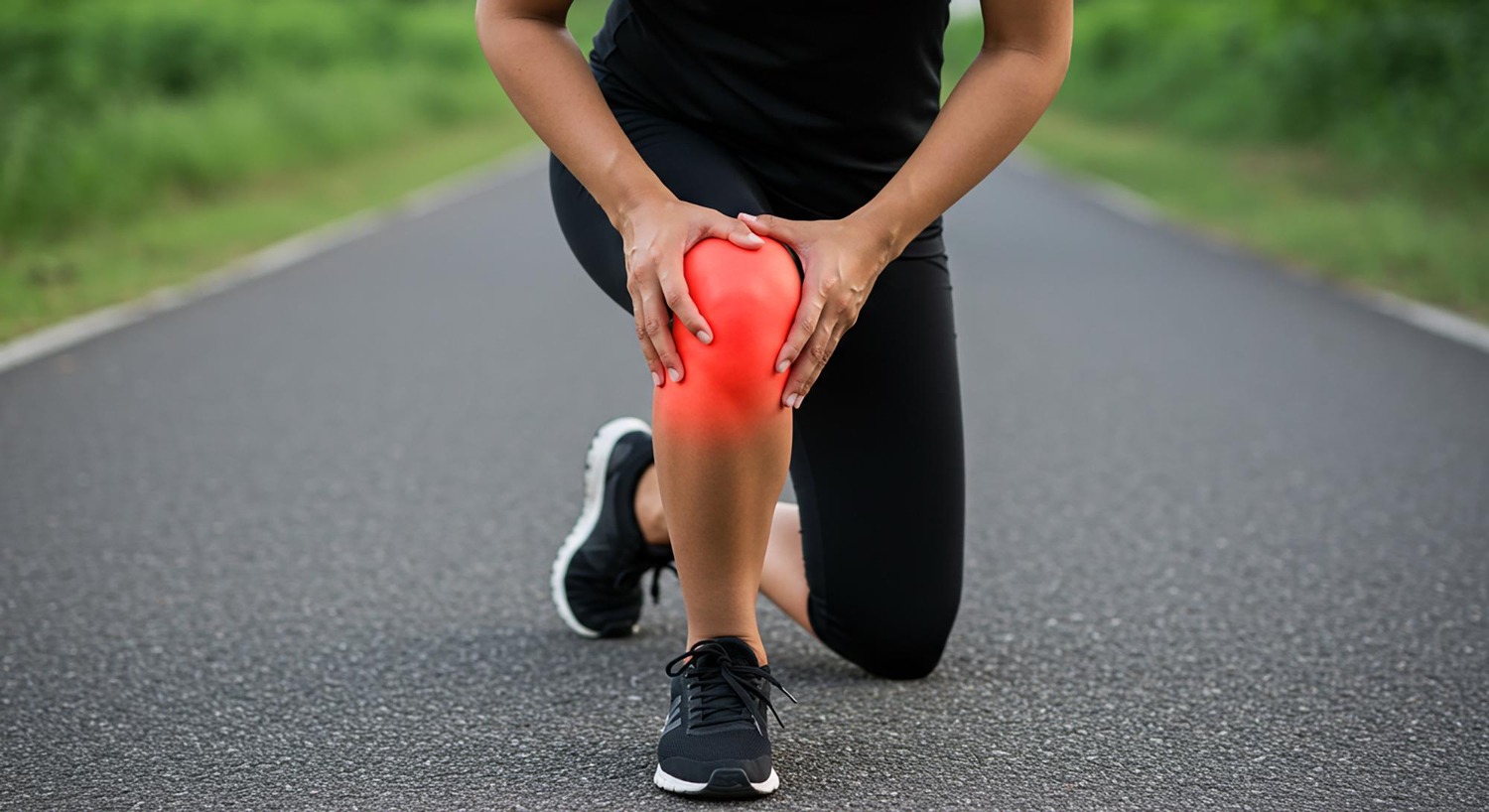
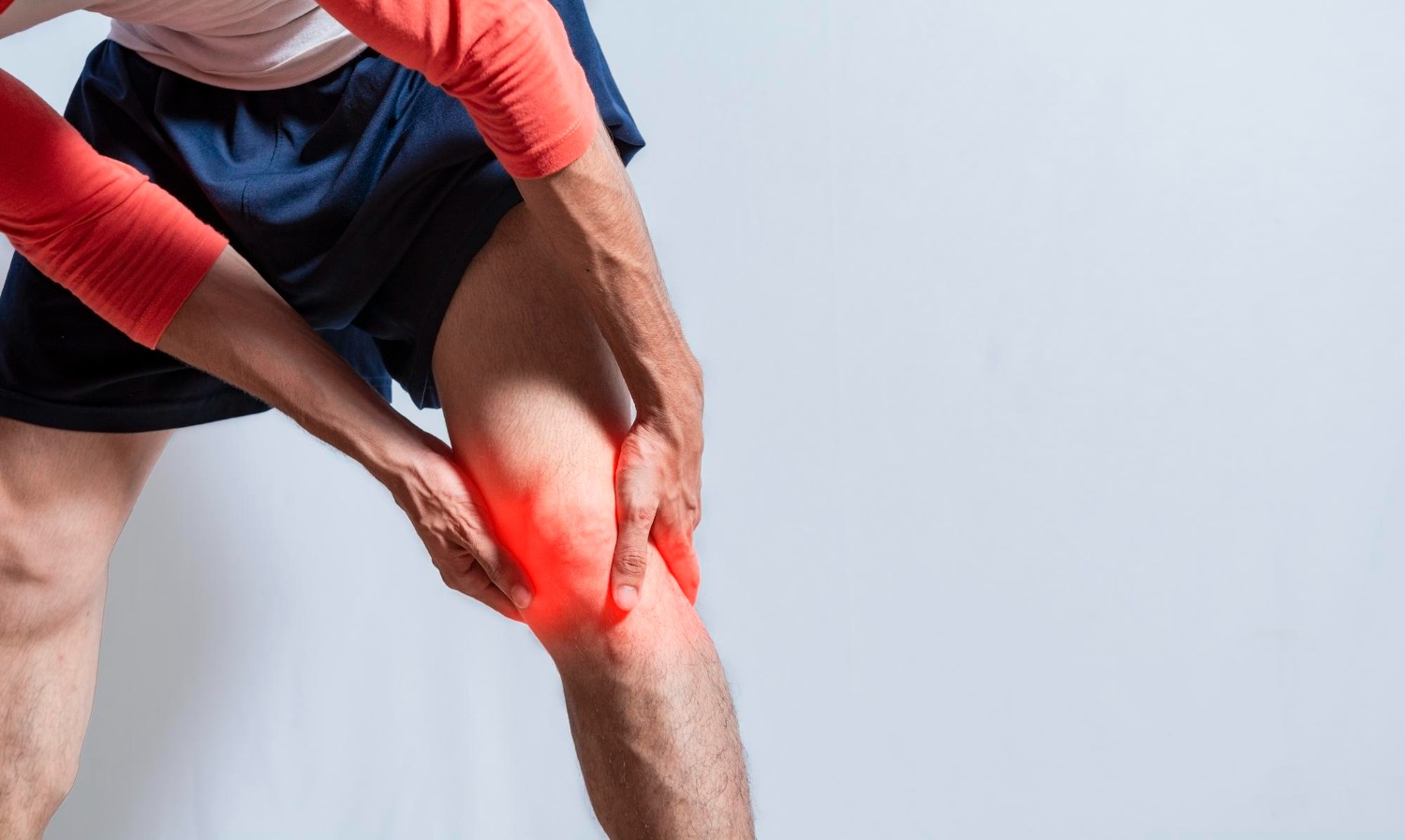
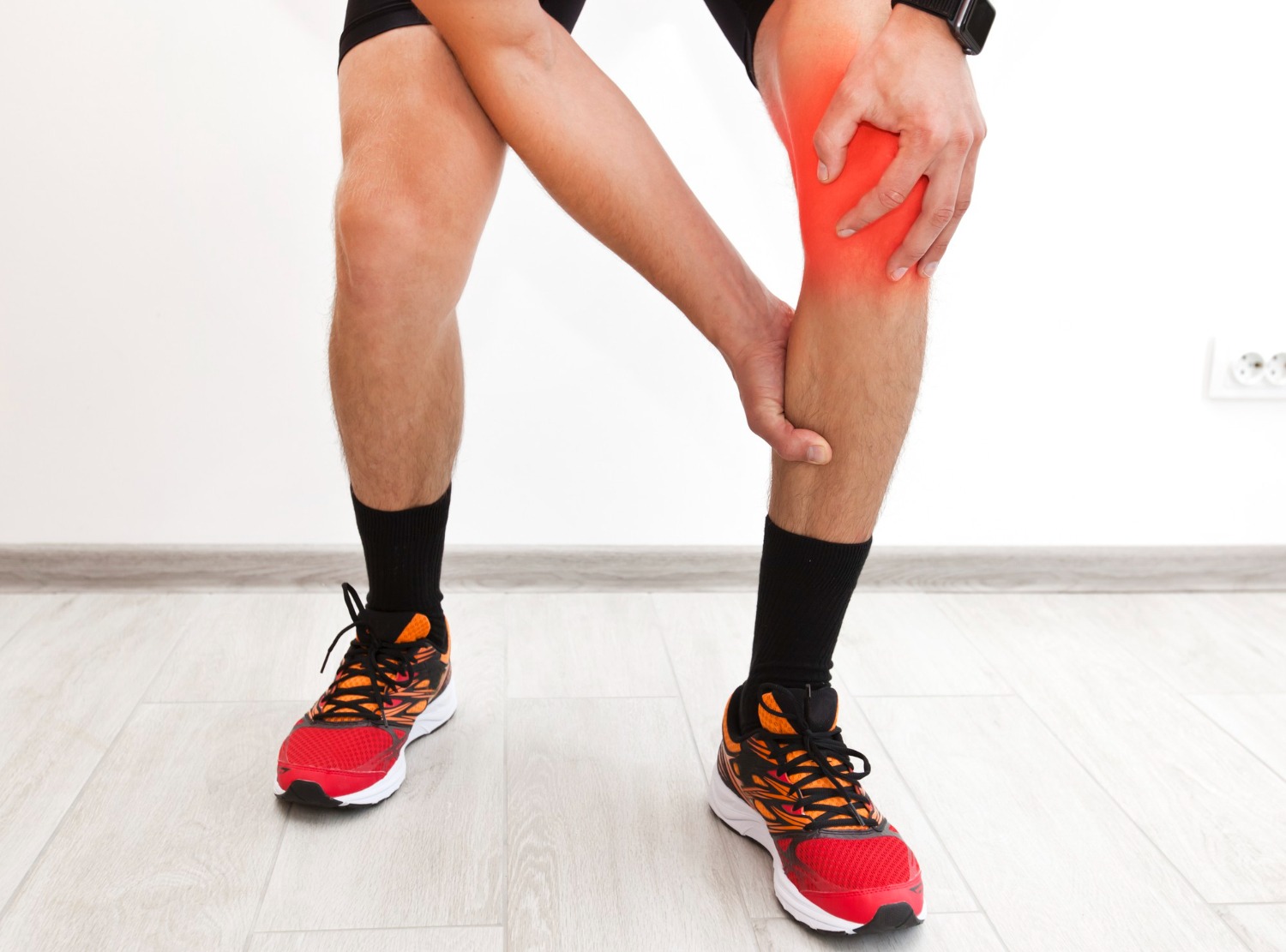
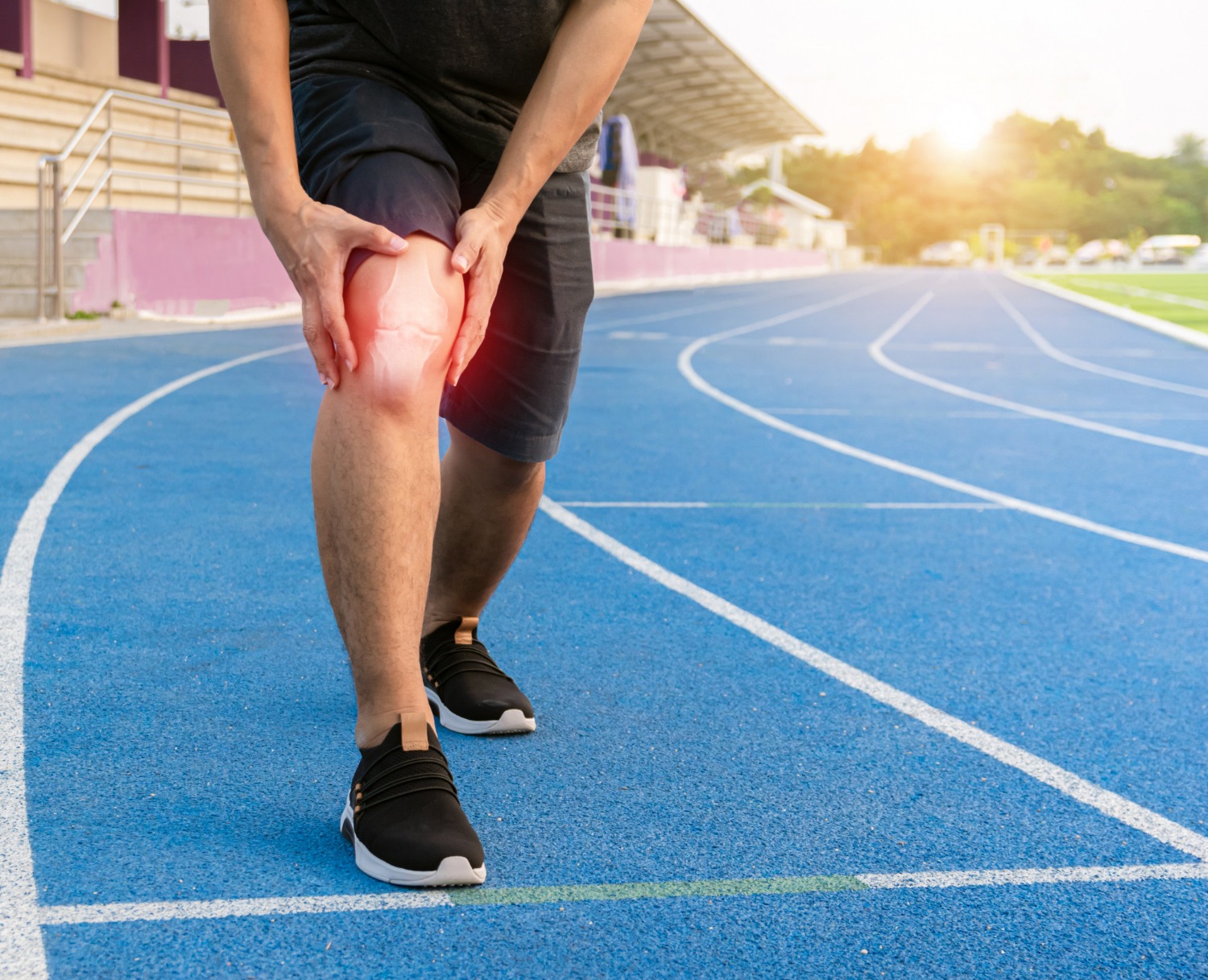
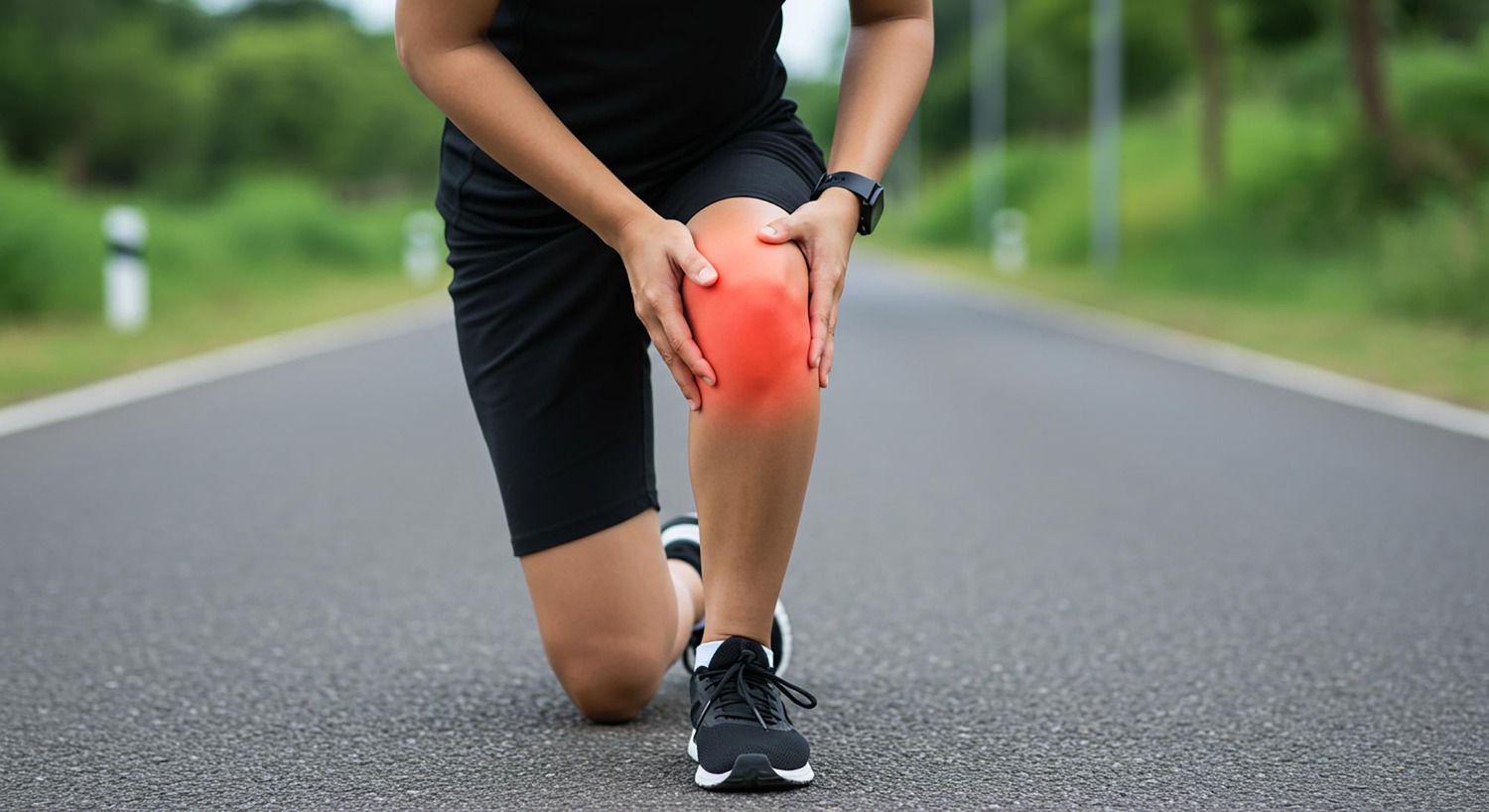
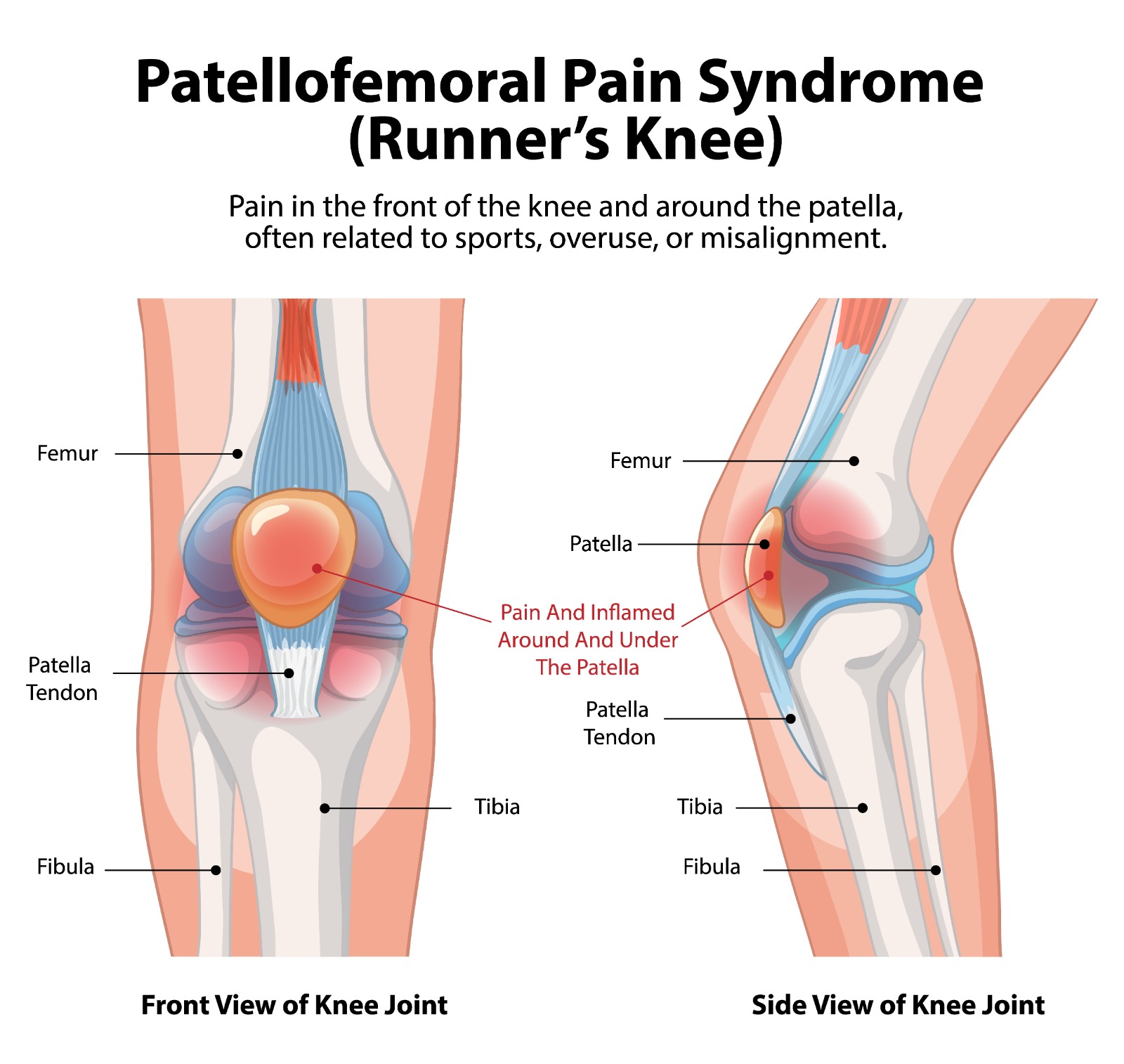
Patellofemoral Pain Syndrome (PFPS) — commonly called ‘runner’s knee’ — is a broad term describing pain arising from the articulation between the patella (kneecap) and the femoral trochlea (groove at the front of the thigh bone). It is one of the most prevalent knee conditions in active individuals, particularly runners, cyclists, and recreational athletes. The condition results from abnormal loading, tracking, or contact stress at the patellofemoral joint and can become a chronic and frustrating problem without appropriate management.
Causes & Risk Factors
- Overuse with a sudden increase in running mileage or training intensity
- Abnormal patellar tracking due to hip abductor weakness, quadriceps imbalance, or excessive foot pronation
- Femoral internal rotation during dynamic loading — often linked to hip weakness
- Tight iliotibial band or lateral retinaculum restricting normal patellar movement
- Anatomical factors including trochlear dysplasia, patella alta, or increased Q-angle
Signs & Symptoms
- Diffuse aching pain around or behind the kneecap, worsening with prolonged sitting (the ‘theatre sign’ — stiffness after sitting with the knee bent)
- Pain with running, squatting, lunging, stair climbing, or prolonged kneeling
- Grinding, creaking, or crepitus felt or heard at the front of the knee
- Pain worsening going downhill or downstairs
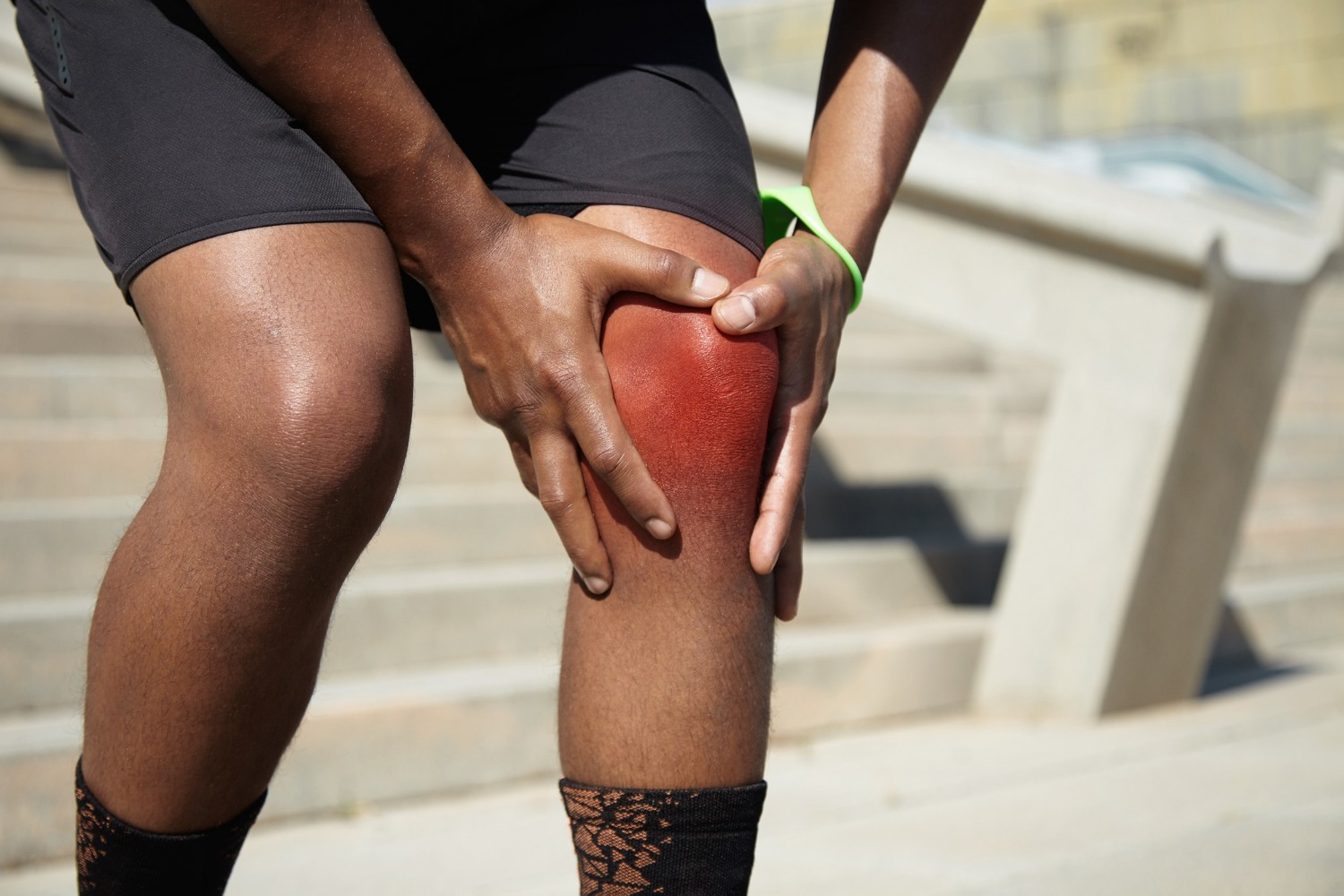
- Occasional mild swelling at the front of the knee
Diagnosis
Diagnosis is clinical, based on history and examination. Patellar tilt, glide, and compression tests help identify tracking abnormalities. Patella J-sign (sudden lateral displacement on terminal extension) indicates dynamic maltracking. X-rays (skyline view) and MRI assess patellofemoral congruence, chondral damage, and structural causes.
Treatment Options
- Activity modification and relative rest from pain-provoking activities
- Targeted hip and quadriceps strengthening — VMO (vastus medialis oblique) activation is central
- Foot orthotics or shoe modification to correct excessive pronation
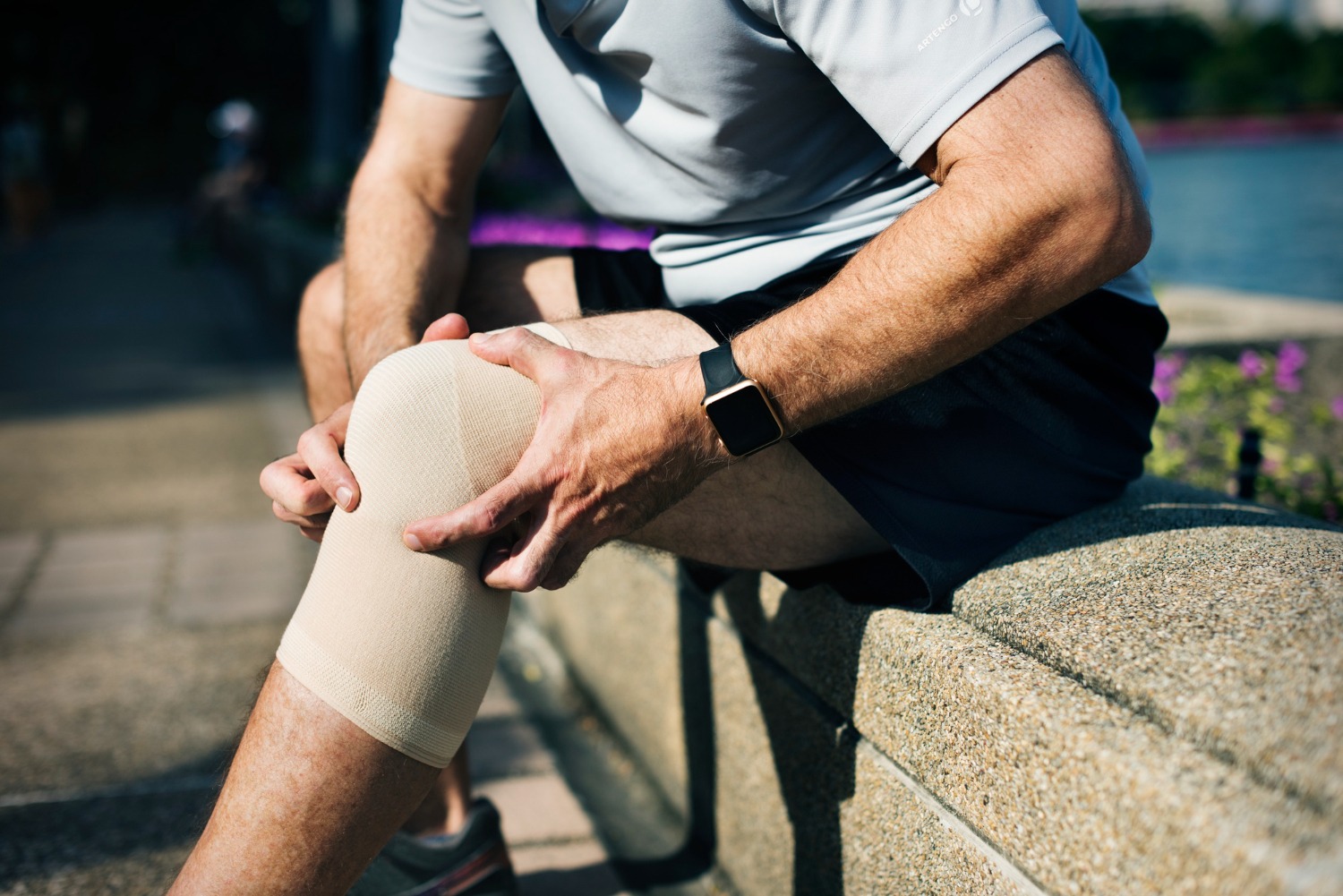
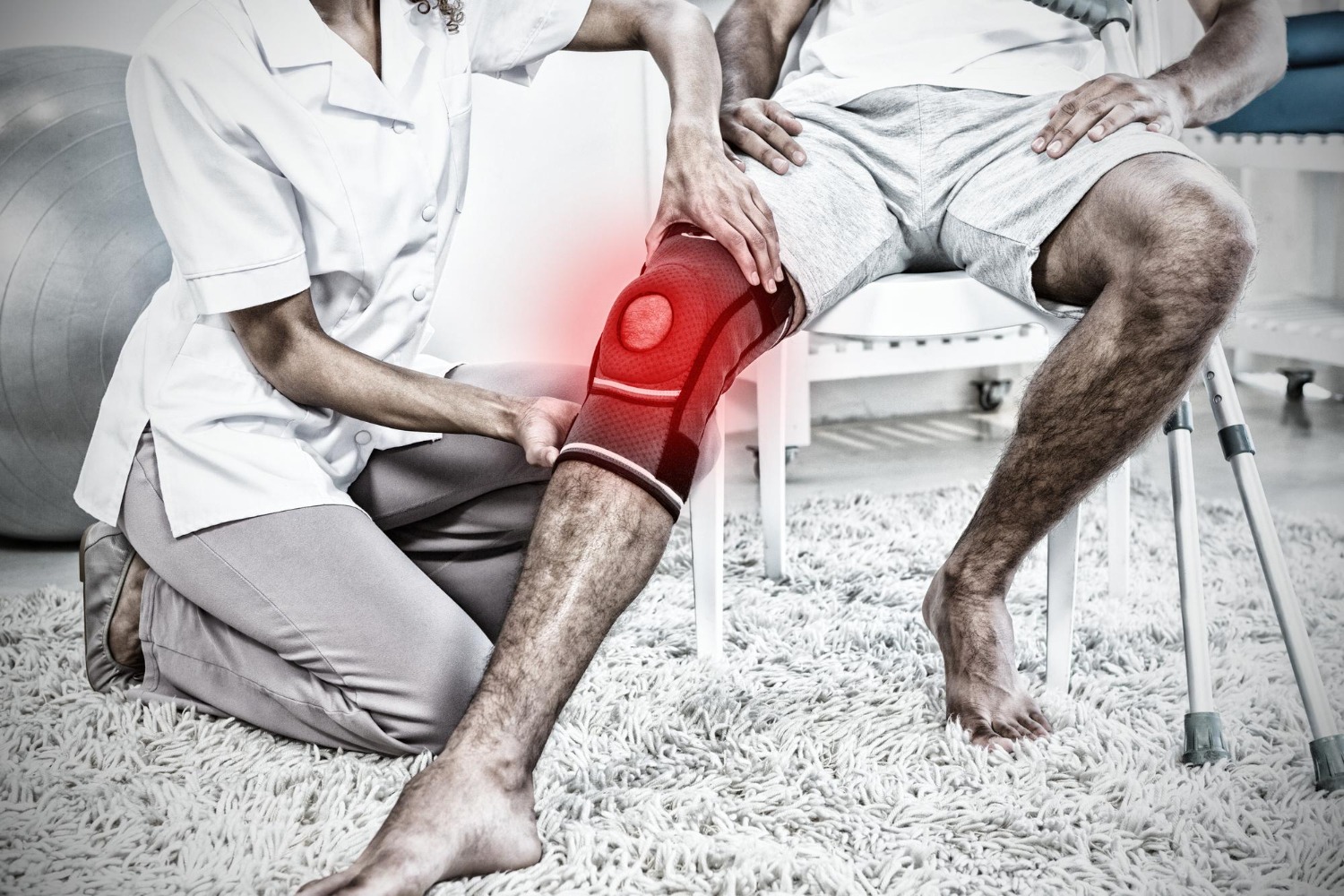
- Patellar taping or bracing to improve tracking during rehabilitation
- Physiotherapy-led neuromuscular retraining of hip and lower limb mechanics
- Surgical lateral retinacular release or tibial tuberosity transfer for structural causes in refractory cases
Patient FAQs –Patellofemoral Pain Syndrome (Runner's Knee)
Is runner's knee the same as chondromalacia patella?
They are related but distinct. Chondromalacia describes actual softening or damage to the cartilage on the underside of the kneecap — a structural finding confirmed on MRI or arthroscopy. PFPS is a broader clinical syndrome describing anterior knee pain that may or may not have chondral damage as its underlying cause.
Can I keep running with patellofemoral pain?
Continuing to run through significant pain risks worsening the condition and is not advised. A graduated return to running — guided by symptom response — forms part of the rehabilitation plan. Gait retraining and load management allow most runners to return to full training.
Does patellofemoral pain syndrome go away on its own?
Without addressing the underlying biomechanical causes, PFPS frequently becomes chronic. A structured rehabilitation programme — focusing on hip and quadriceps strength — produces significant improvement in the majority of patients.