PCL Tear (Posterior Cruciate Ligament Injury)
Overview
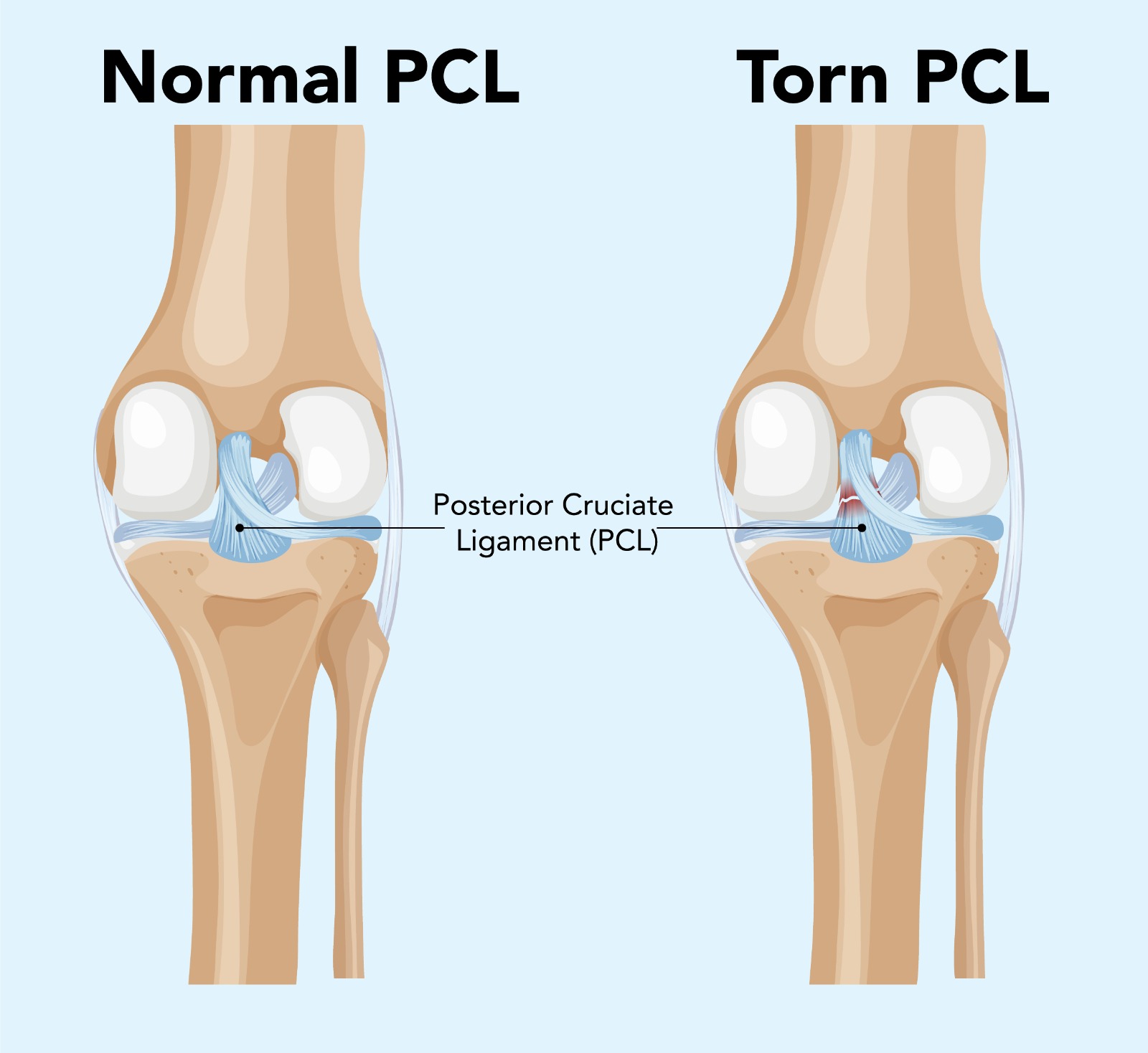
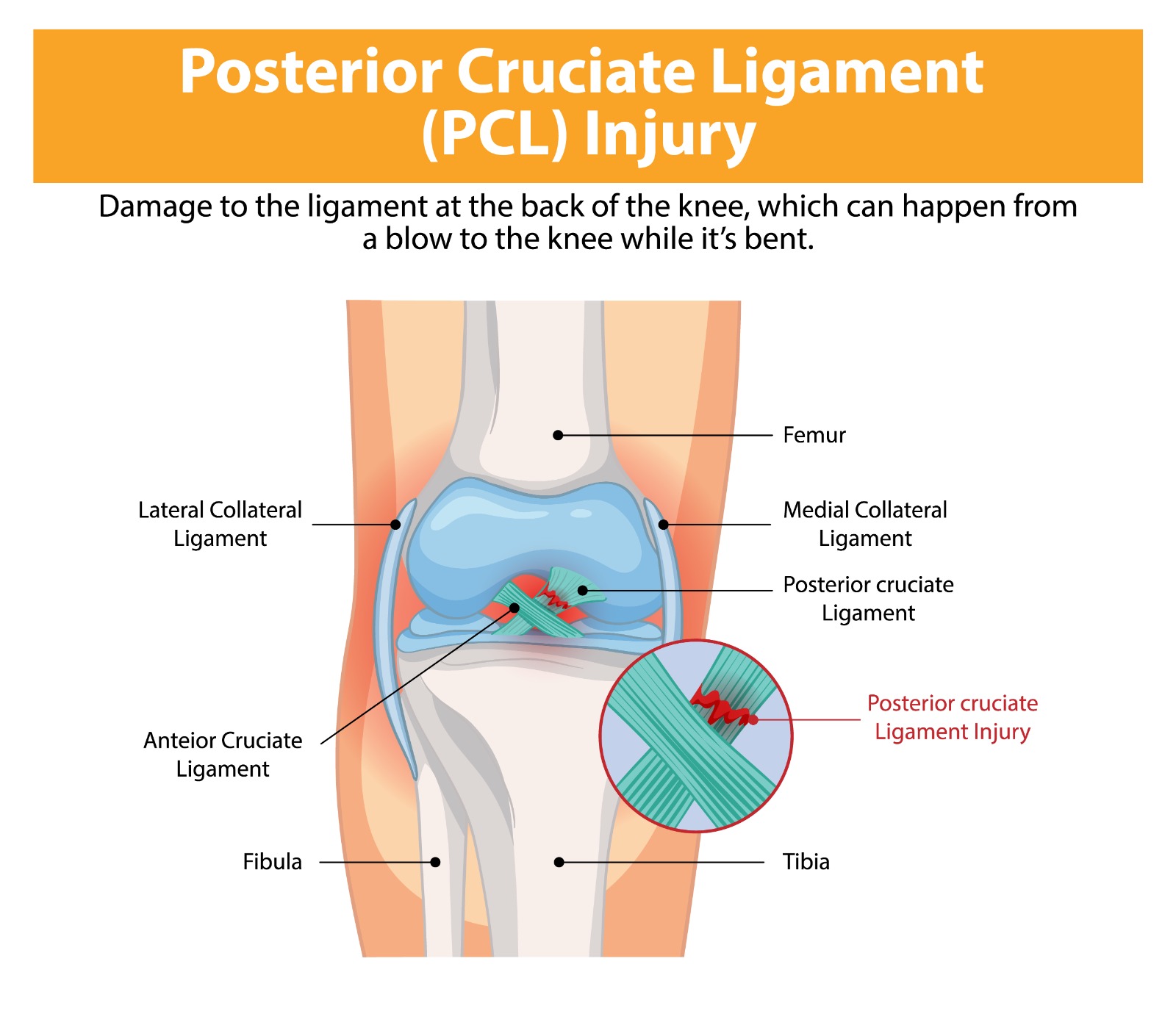
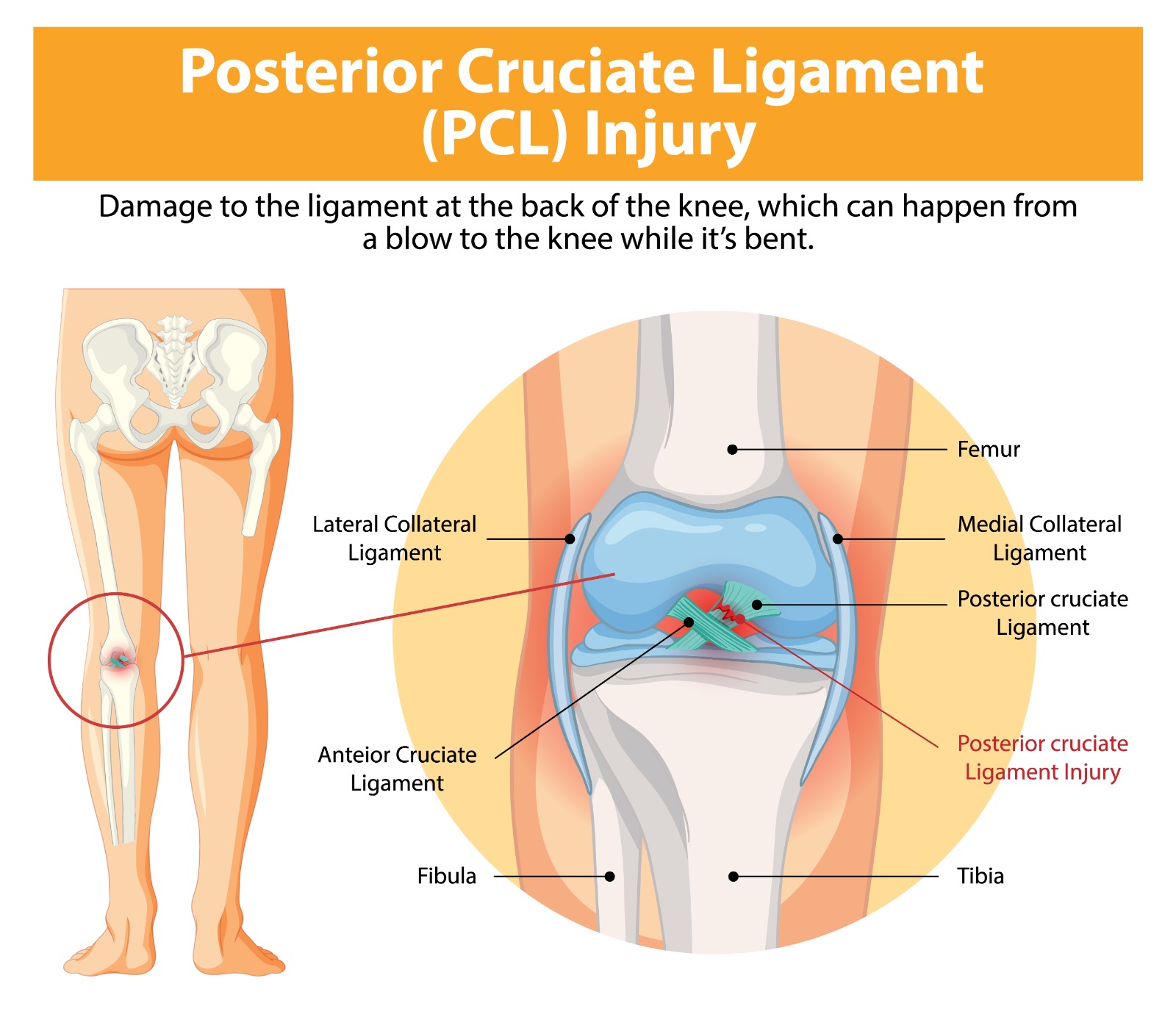
The posterior cruciate ligament (PCL) is the strongest ligament in the knee, preventing the tibia from sliding backwards relative to the femur. PCL injuries, though less common than ACL tears, account for a significant proportion of serious knee ligament injuries — particularly in contact sports, road traffic accidents, and high-energy trauma. They range from isolated grade I sprains to complete grade III ruptures, often occurring alongside injuries to other knee ligaments in complex multi-ligament knee injuries.
Causes & Risk Factors
- Direct blow to the front of the bent knee — the ‘dashboard injury’ in road traffic accidents
- Falling directly onto a bent knee with the foot plantarflexed (pointed down)
- Hyperextension of the knee in contact sports
- High-energy knee dislocation — often involves multiple ligament injuries requiring urgent assessment
Signs & Symptoms
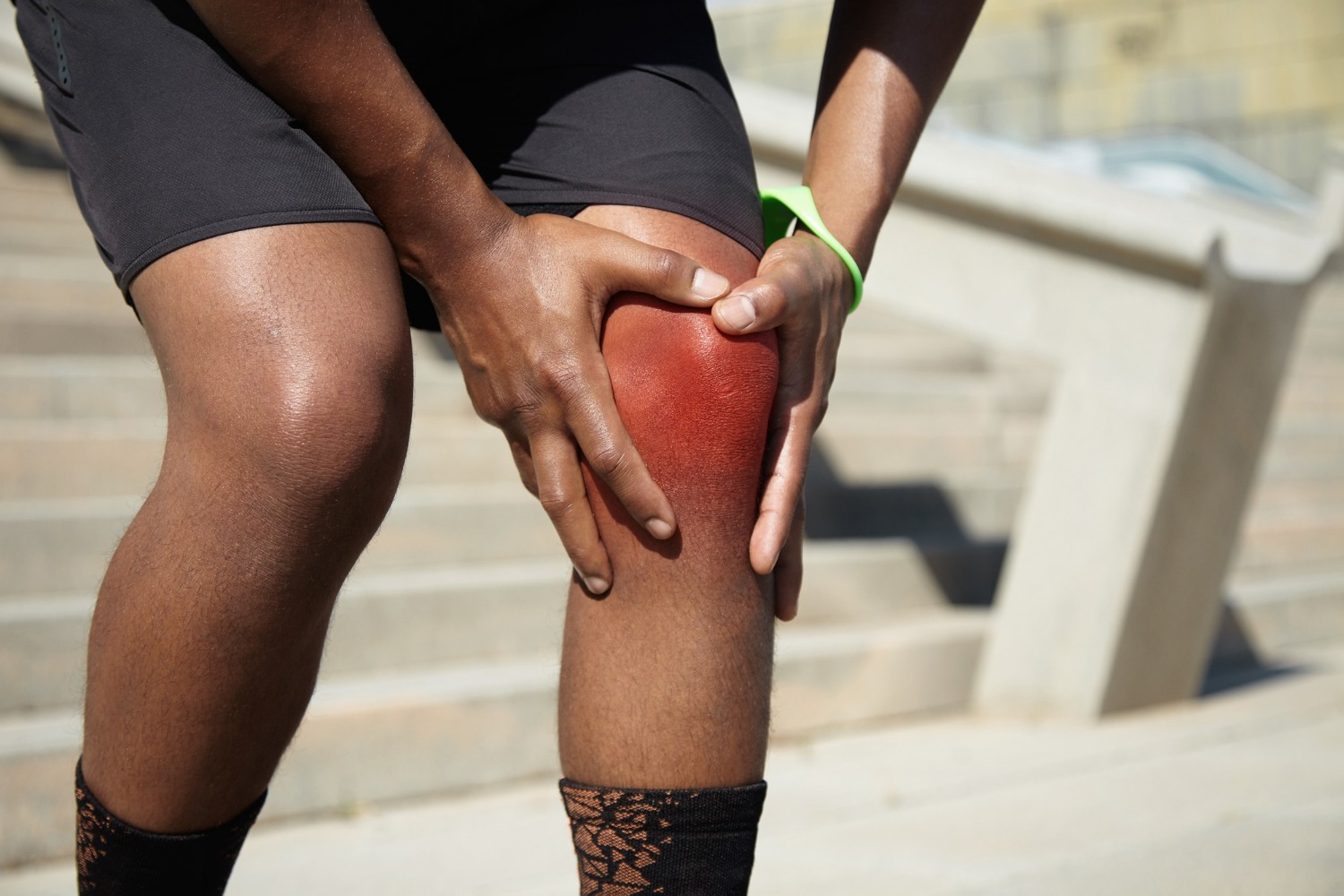
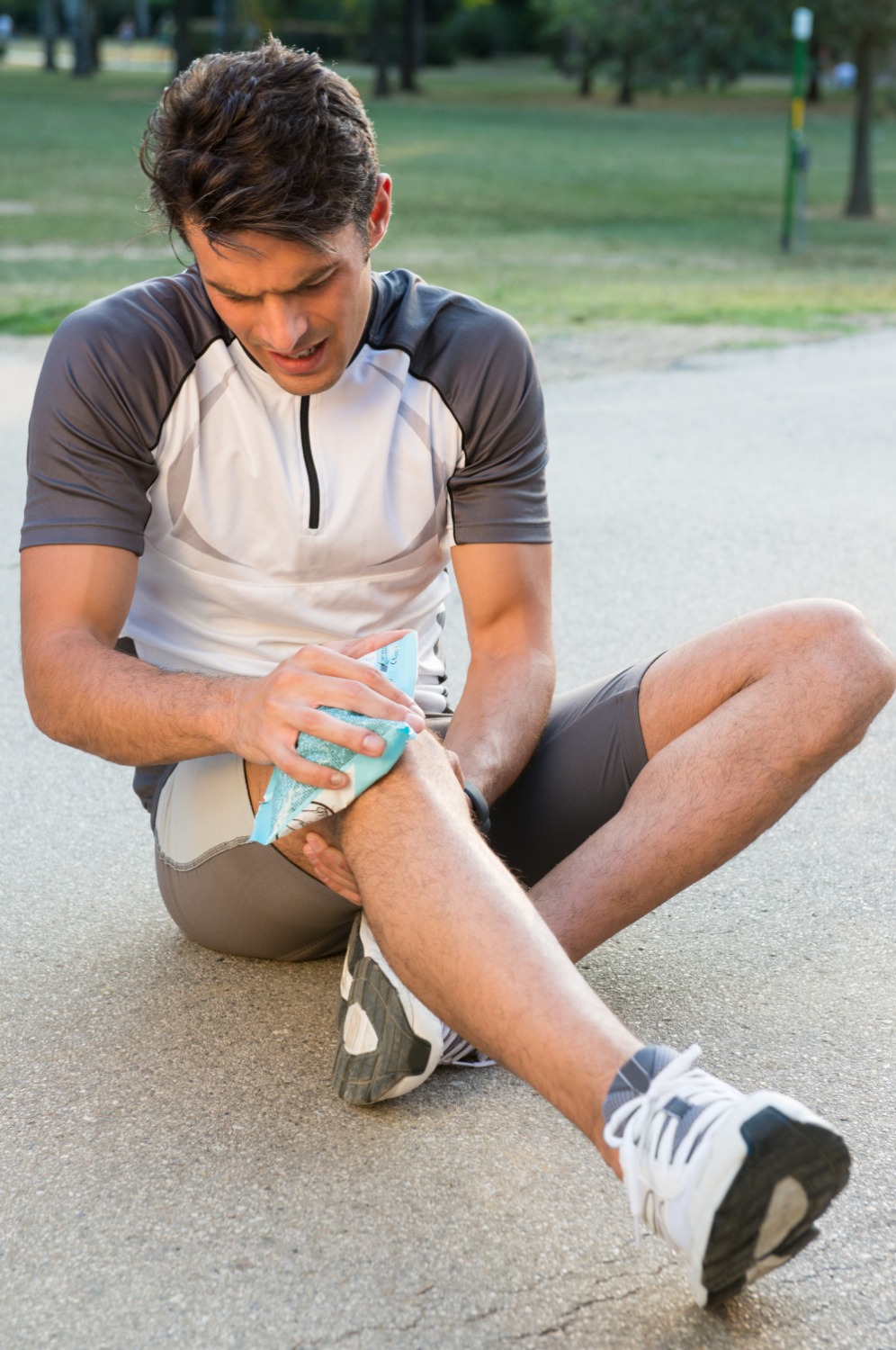
- Posterior knee pain and swelling following the injury
- Feeling of instability, particularly during downhill walking or deceleration
- Pain with kneeling or direct pressure on the front of the shin
- In isolated PCL injuries, symptoms may be relatively mild initially — leading to under-diagnosis
- Chronic cases may present with anterior knee pain and patellofemoral symptoms
Diagnosis
The posterior drawer test and posterior sag sign are the key clinical tests. Stress X-rays quantify the degree of posterior tibial translation. MRI confirms PCL injury and identifies associated ligament, meniscal, and chondral pathology. CT angiography may be required if knee dislocation is suspected.
Treatment Options
- Grade I/II: Physiotherapy focused on quadriceps strengthening, bracing, and activity modification
- Grade III isolated PCL tears: Conservative management is often appropriate with dedicated rehabilitation
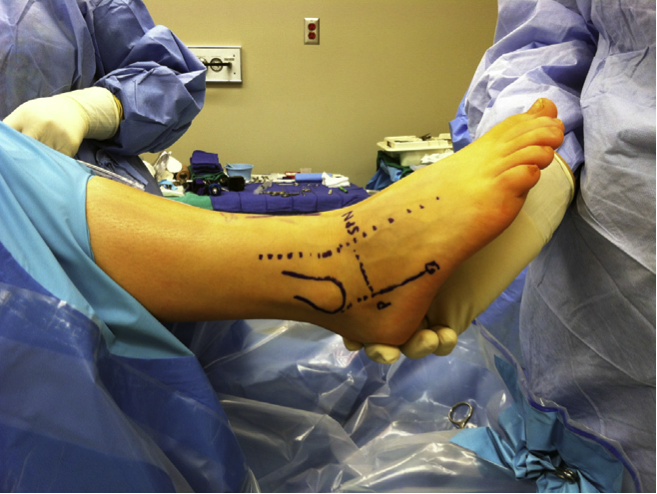
- Surgical PCL reconstruction: Indicated for symptomatic grade III tears, combined ligament injuries, and cases failing conservative treatment; performed arthroscopically using graft tissue
- Multi-ligament knee reconstruction for complex combined ligament injuries — requires careful staged surgical planning
Patient FAQs – PCL Tear (Posterior Cruciate Ligament Injury)
Is a PCL tear worse than an ACL tear?
PCL tears are often better tolerated than ACL tears in isolation, as many patients regain functional stability with dedicated physiotherapy. However, in high-grade or combined ligament injuries, PCL damage can result in significant instability requiring complex reconstruction.
Can I return to sport with a PCL injury?
Many athletes with isolated grade I or II PCL injuries return to sport within weeks with appropriate rehabilitation and bracing. Grade III injuries require longer recovery — typically 3–6 months for conservative management or 9–12 months post-reconstruction.
What happens if a PCL tear is left untreated?
Untreated complete PCL tears can lead to chronic posterior instability, patellofemoral pain, and accelerated medial compartment and patellofemoral joint arthritis due to altered knee biomechanics.