Treatment by Dr. Senthilvelan – Shoulder, Elbow & Wrist Specialist
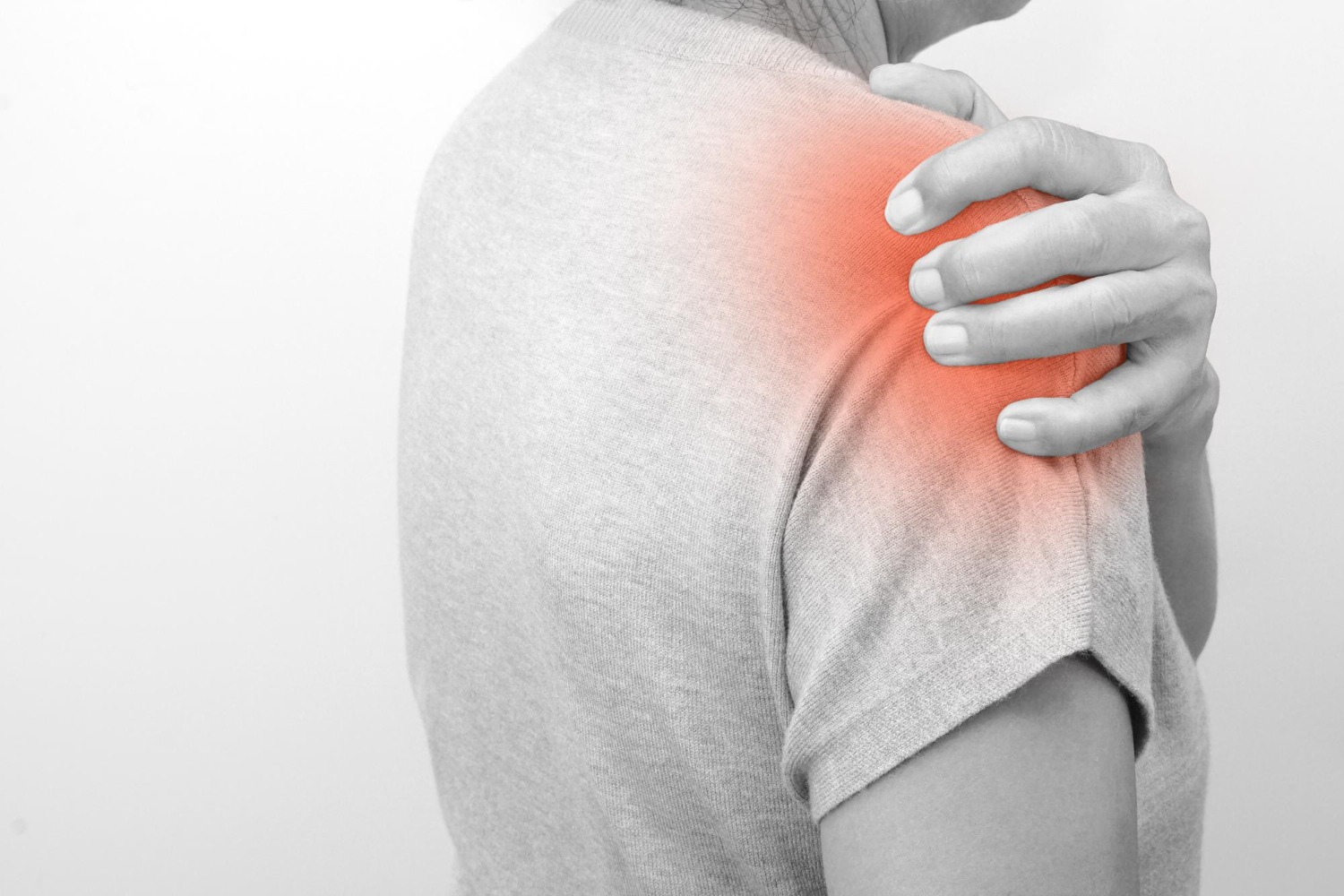
Overhead throwing is one of the most demanding movements in sports. Whether you are a cricketer, volleyball player, tennis athlete, swimmer, or javelin thrower, repetitive high-velocity motion places enormous stress on the shoulder joint.
Over time, this can lead to pain, loss of performance, and structural injury. Early diagnosis and the right treatment approach can help athletes return safely to their sport.
Why the Throwing Shoulder Is Vulnerable
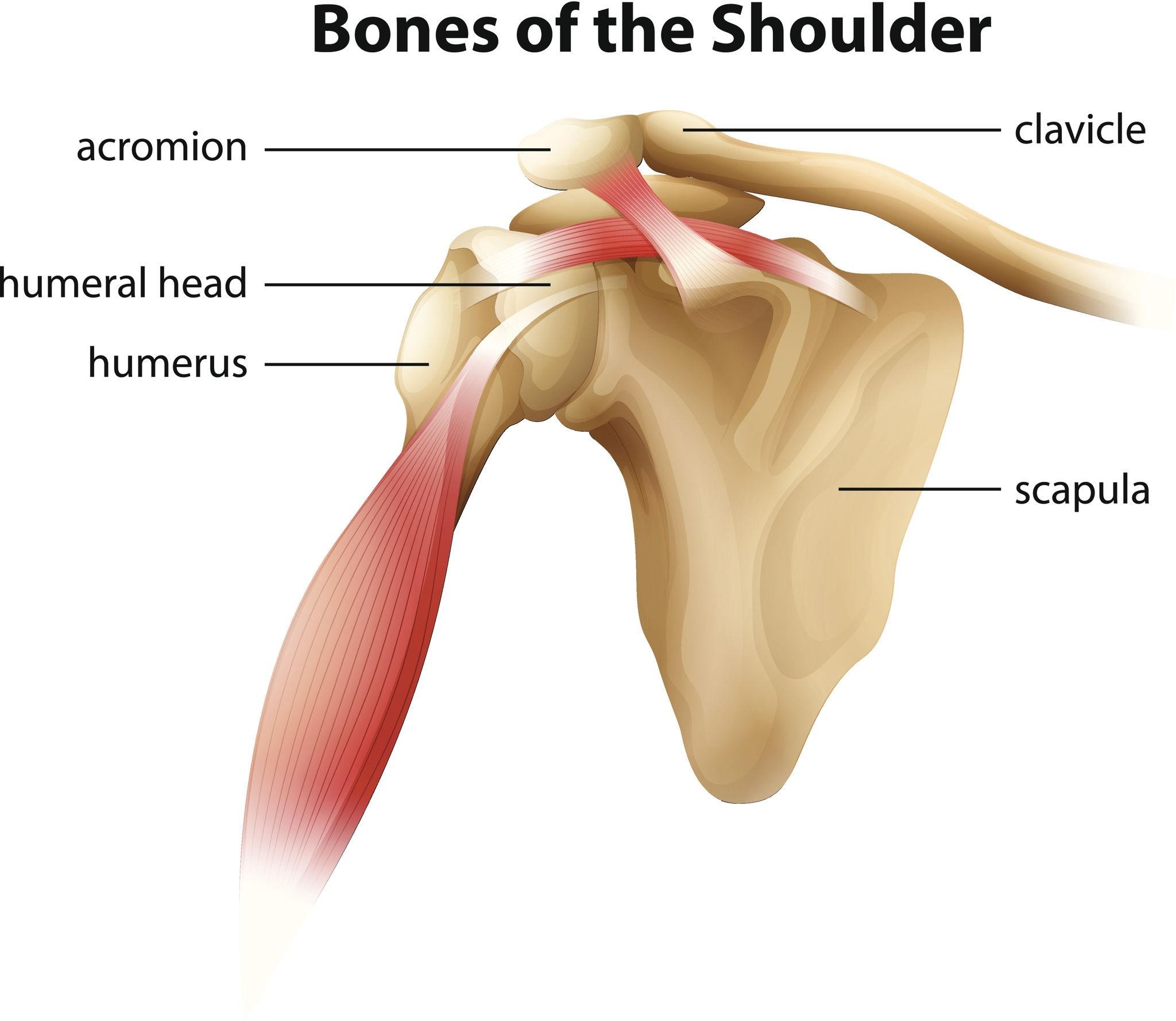
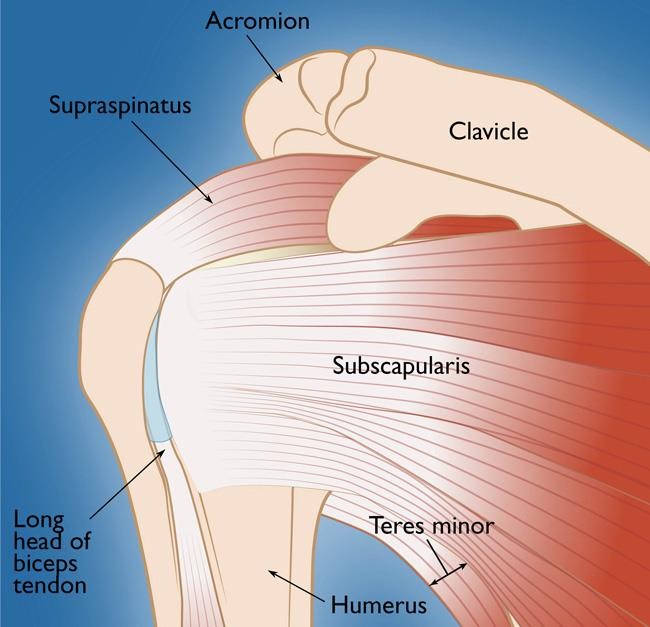
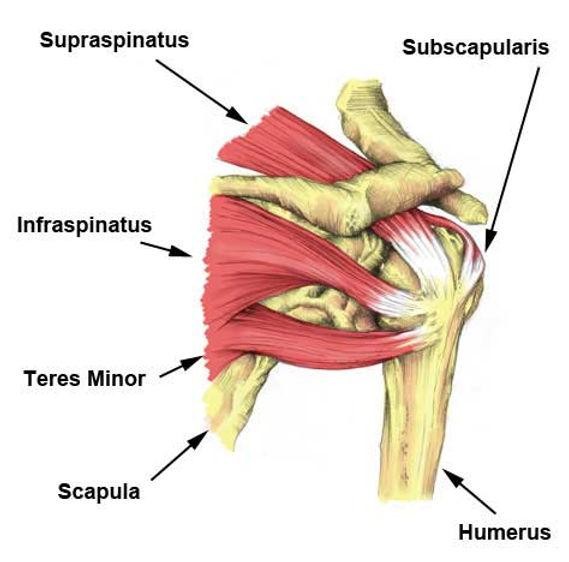
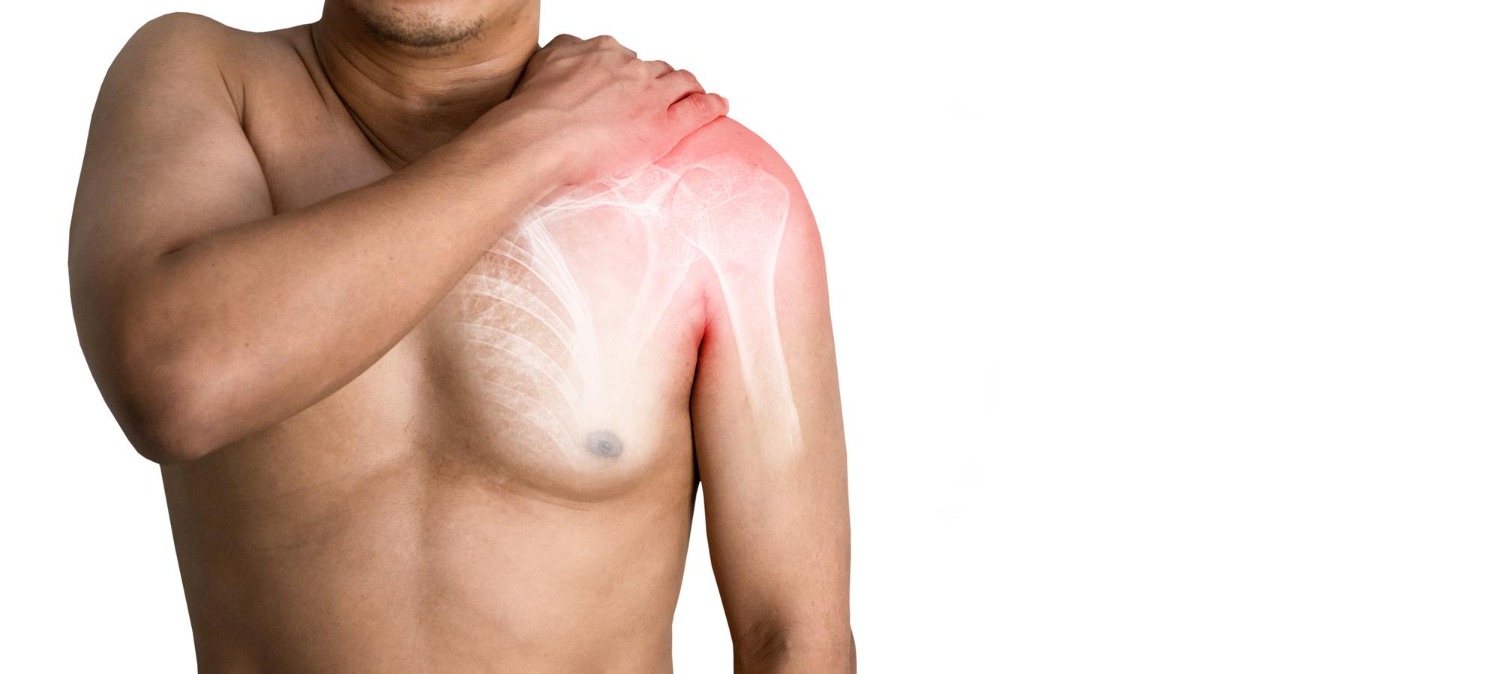
The shoulder is a highly mobile ball-and-socket joint made up of:
Humerus (upper arm bone)
Scapula (shoulder blade)
Clavicle (collarbone)
Key stabilizing structures:
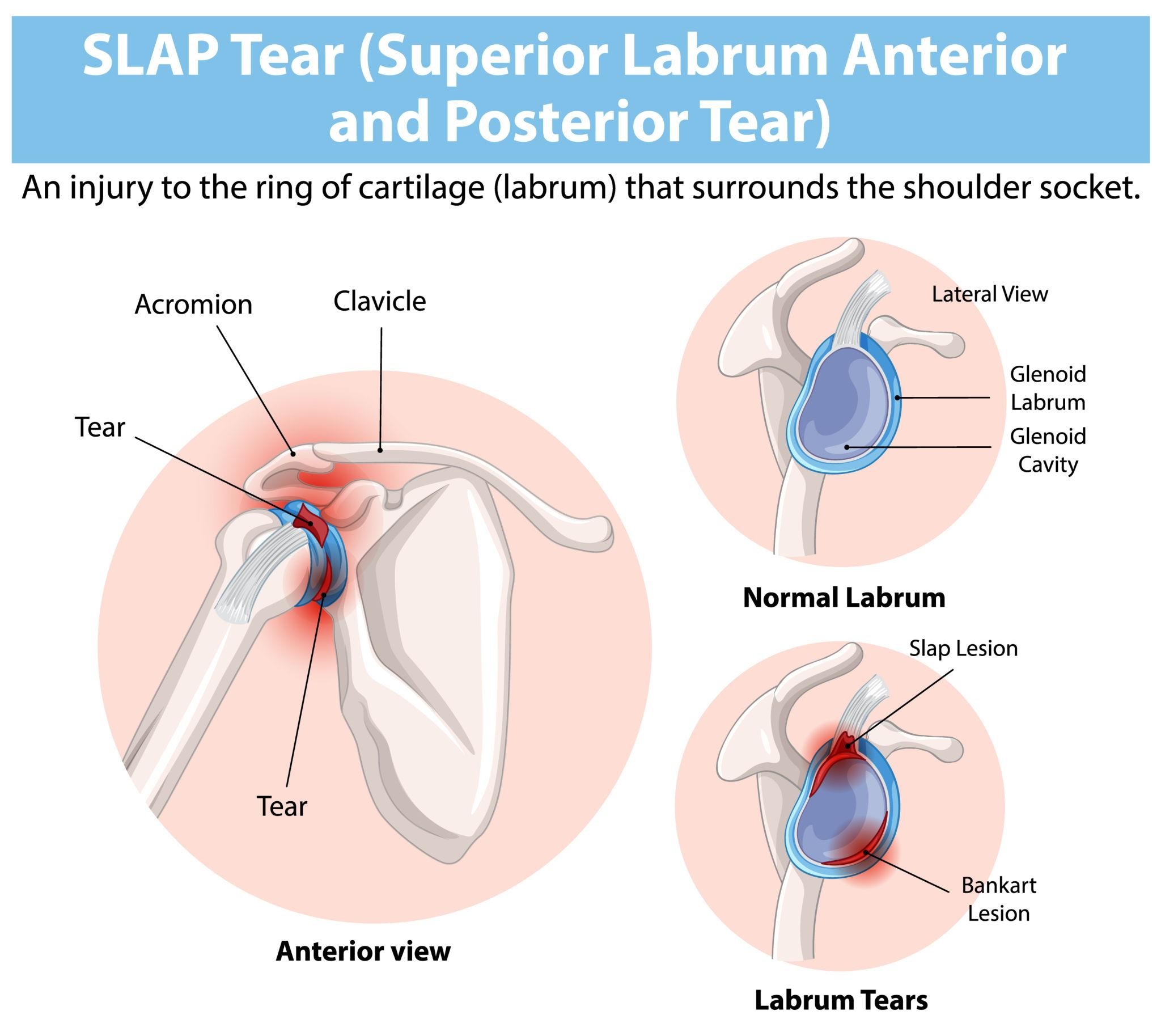
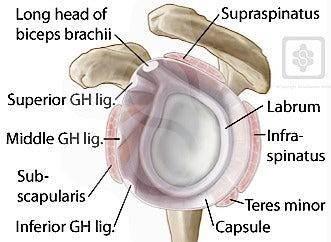
Labrum – deepens the socket and stabilizes the joint
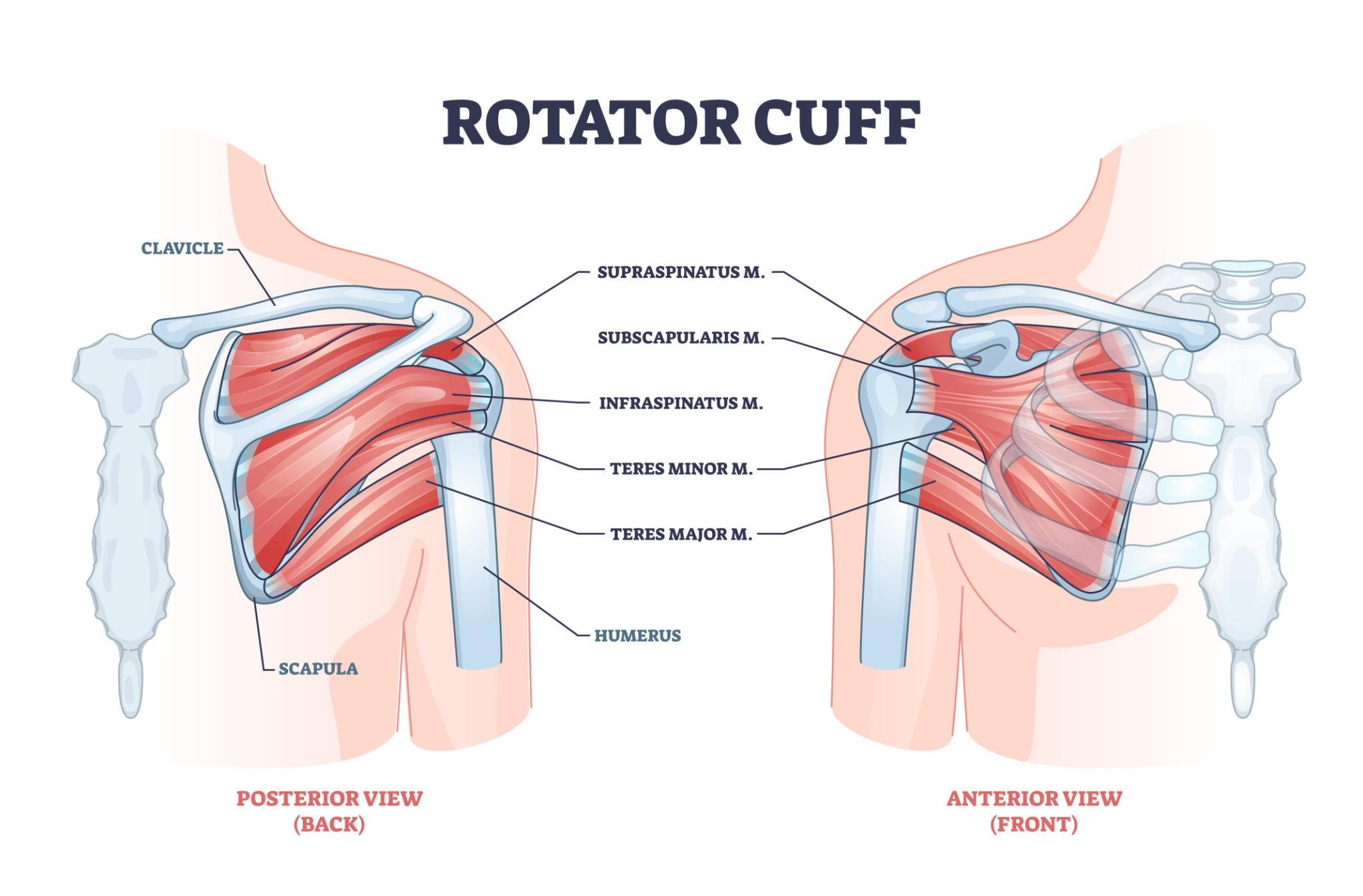
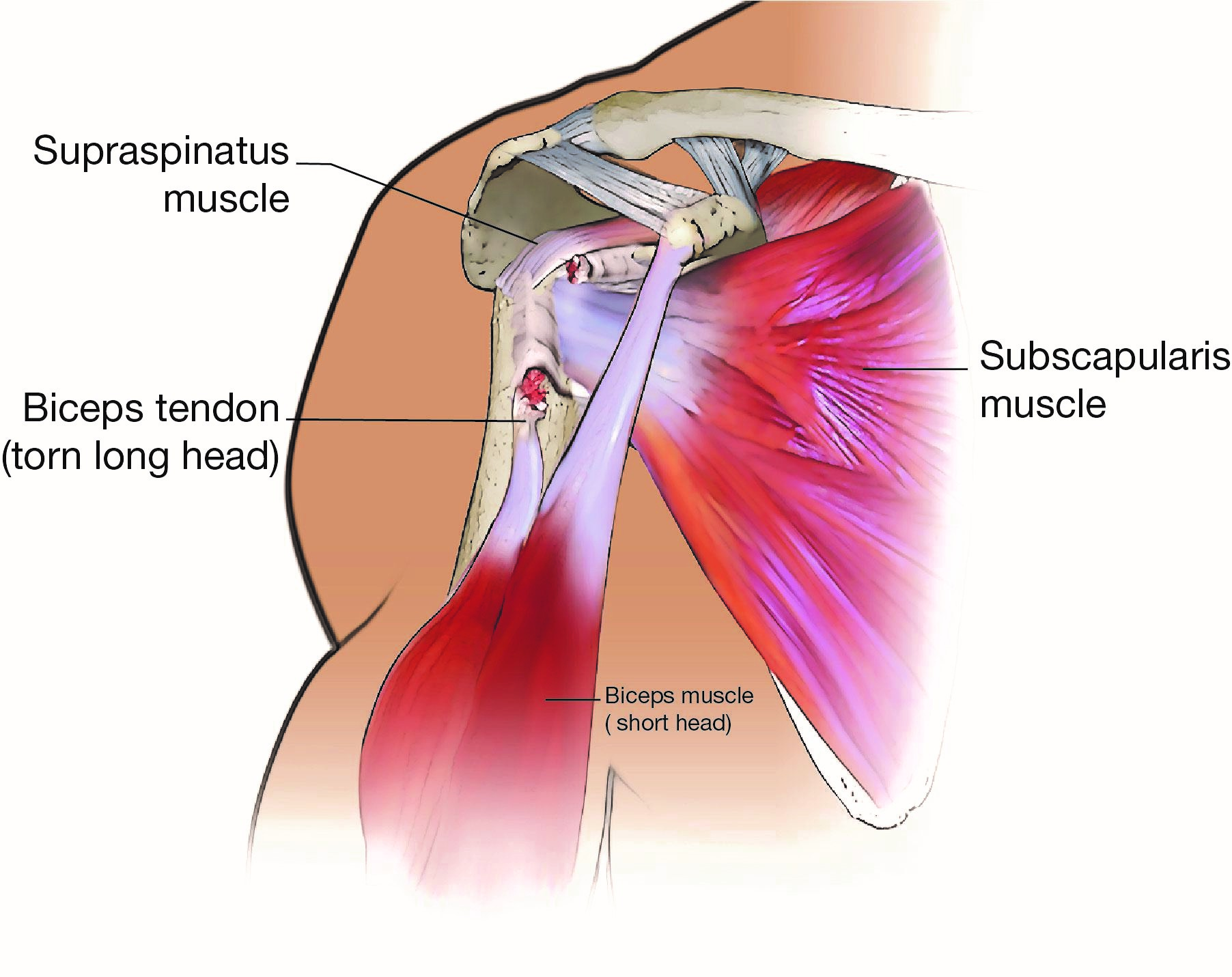
Rotator cuff muscles – dynamically control movement
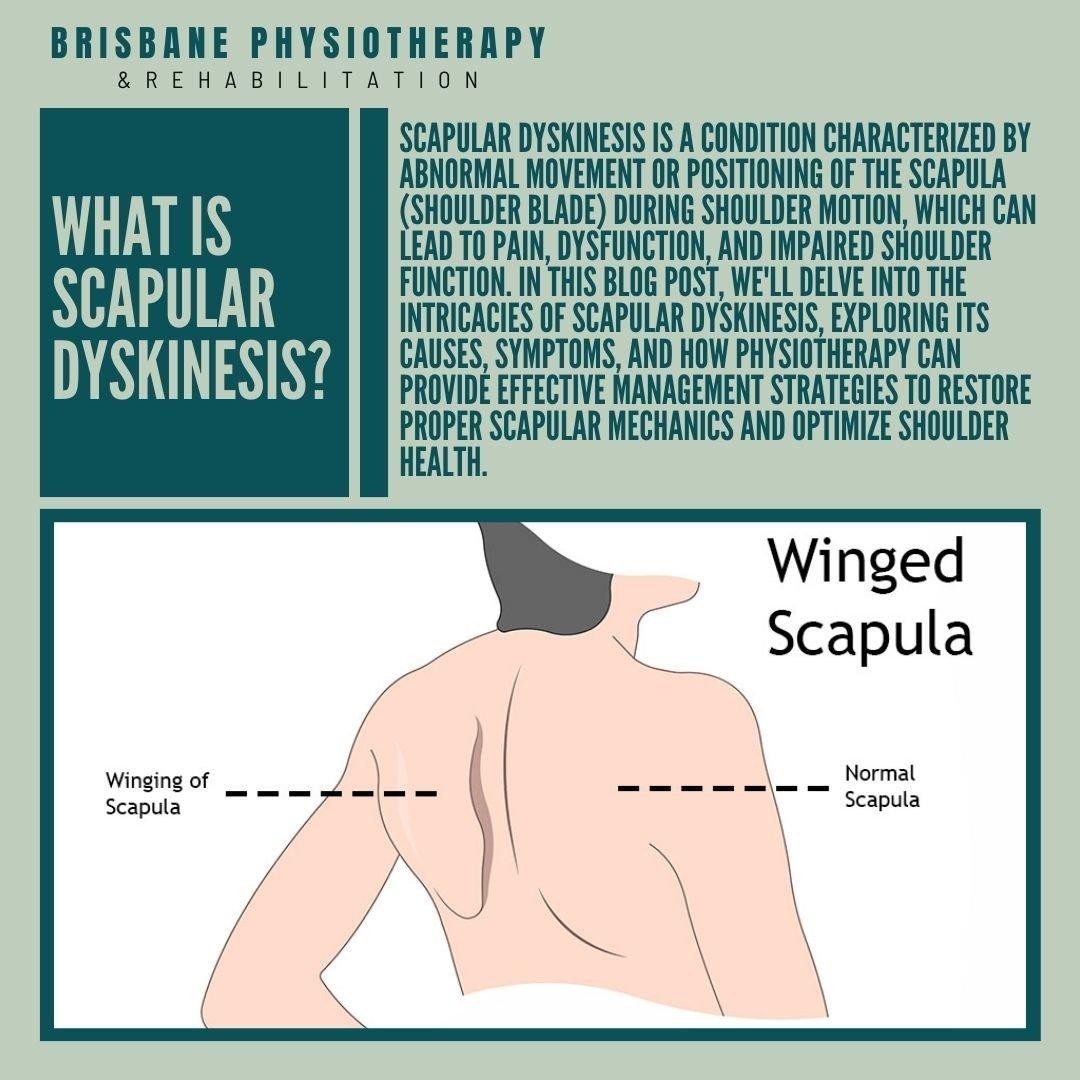
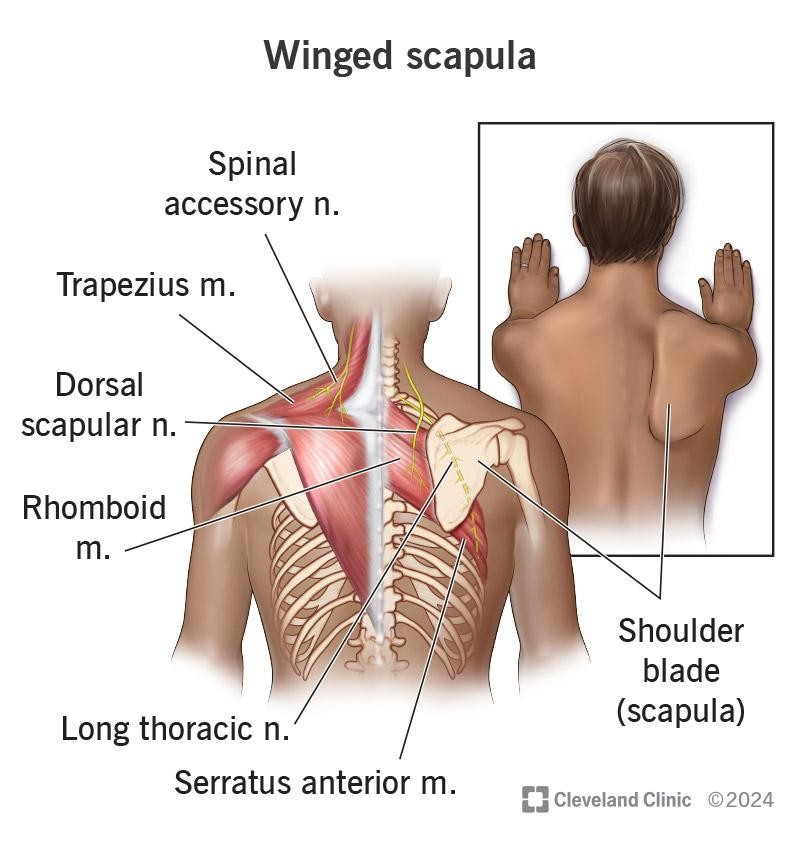
Scapular stabilizers – provide the foundation for overhead motion
In throwing athletes, extreme external rotation during the cocking phase and rapid deceleration during follow-through create repetitive micro-stress. Over time, this may lead to instability and tissue damage.
Common Shoulder Injuries in Throwing Athletes
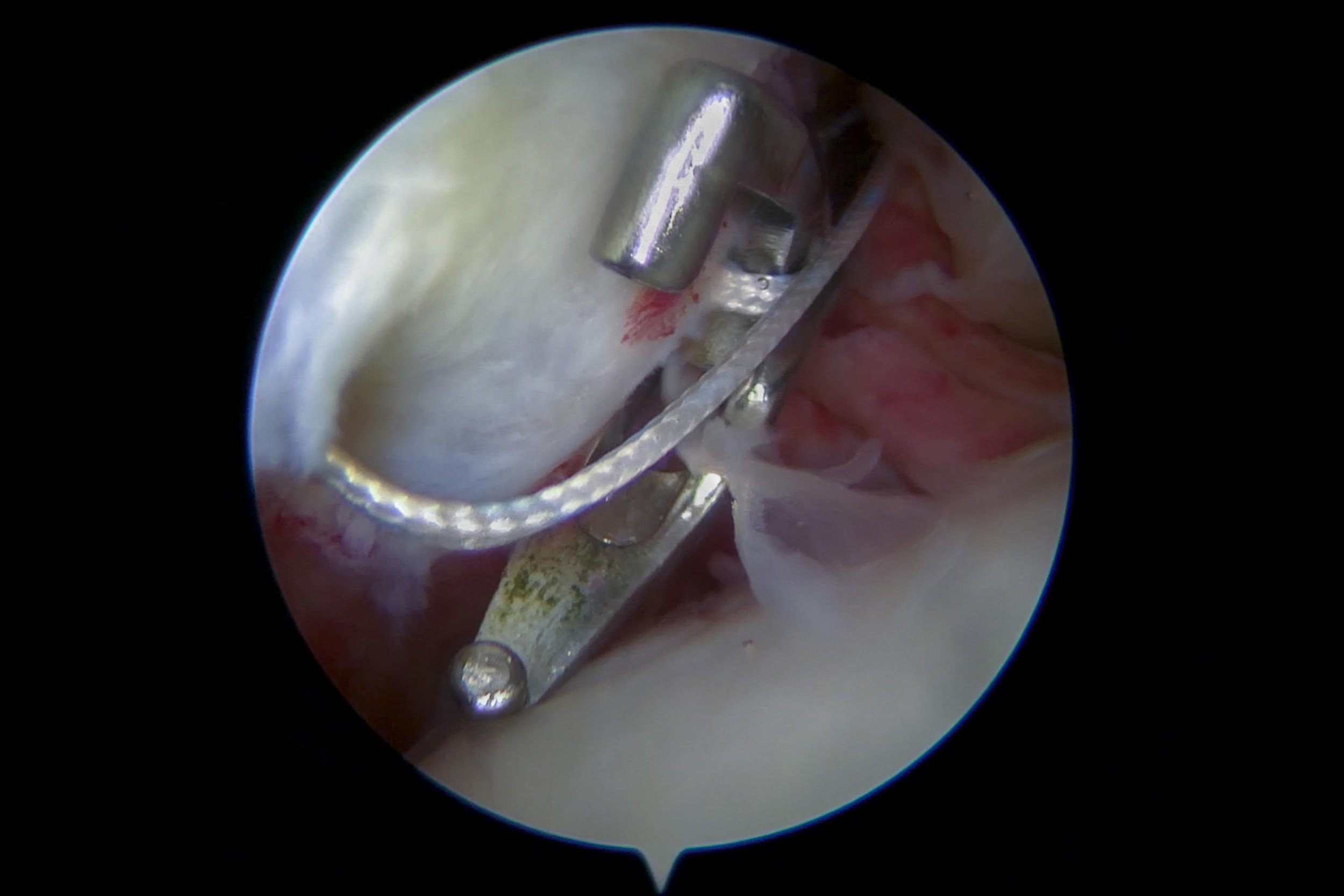
1. SLAP Tear (Superior Labrum Tear)
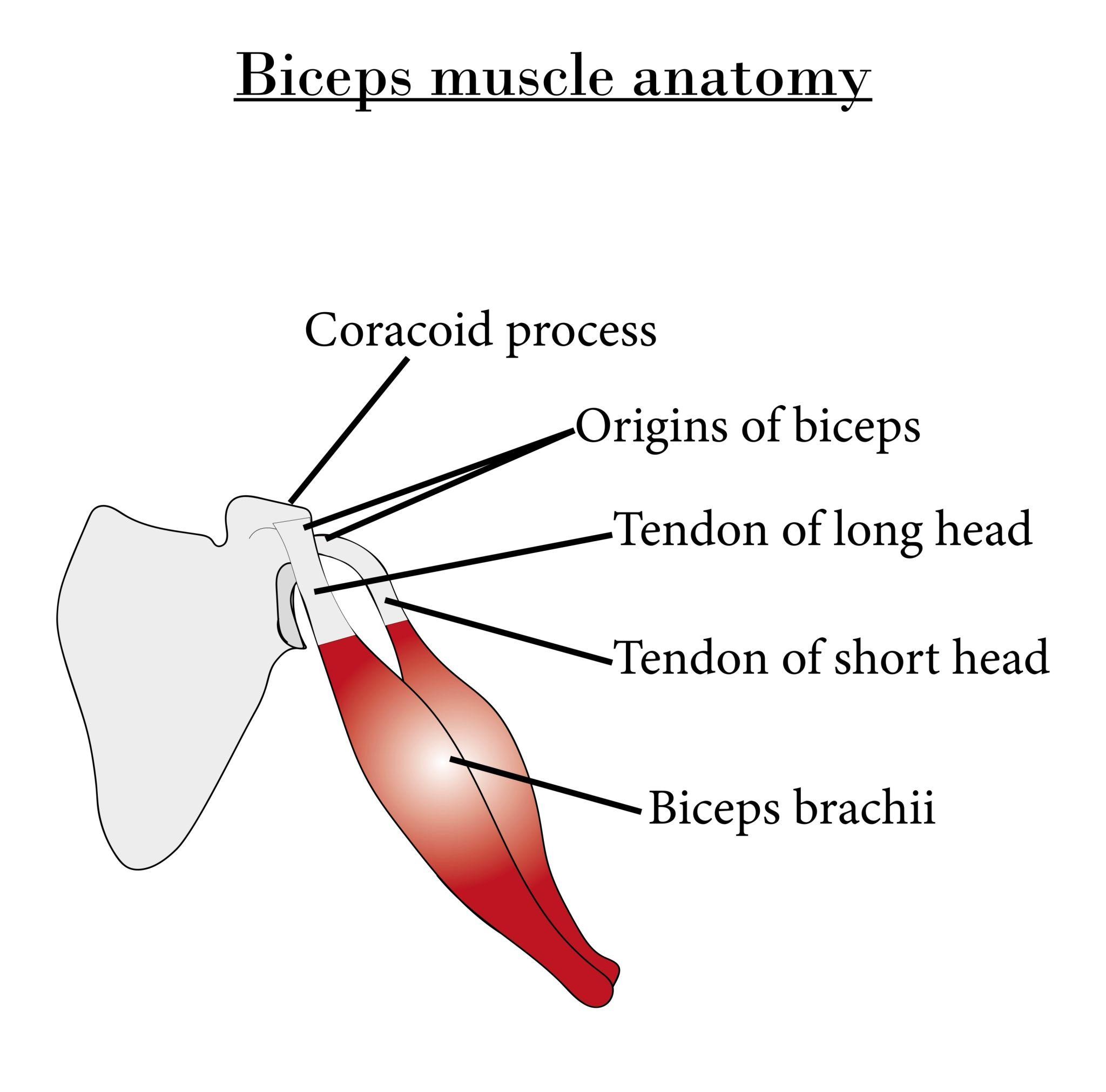
A SLAP tear affects the top part of the labrum where the biceps tendon attaches.
Symptoms:
Deep shoulder pain
Catching or locking sensation
Pain during overhead throwing
Loss of throwing velocity
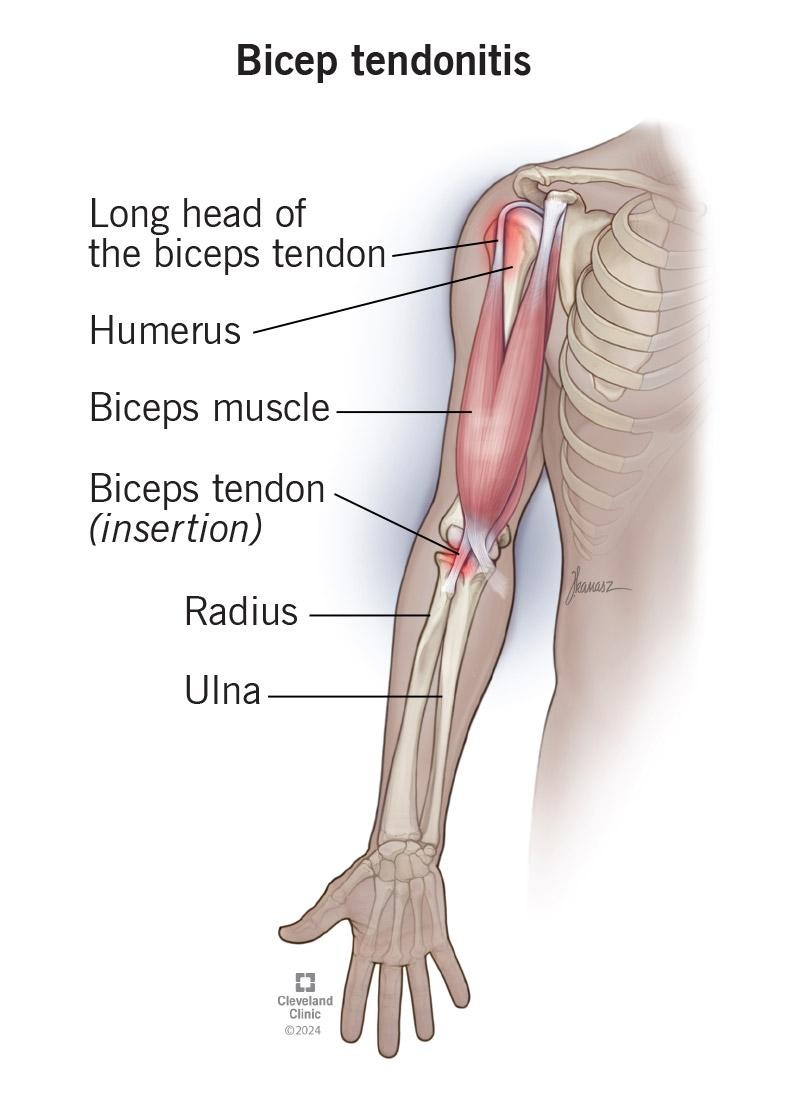
2. Biceps Tendinitis
Repetitive throwing can inflame the long head of the biceps tendon.
Symptoms:
Pain in the front of the shoulder
Weakness
Occasionally a popping sensation
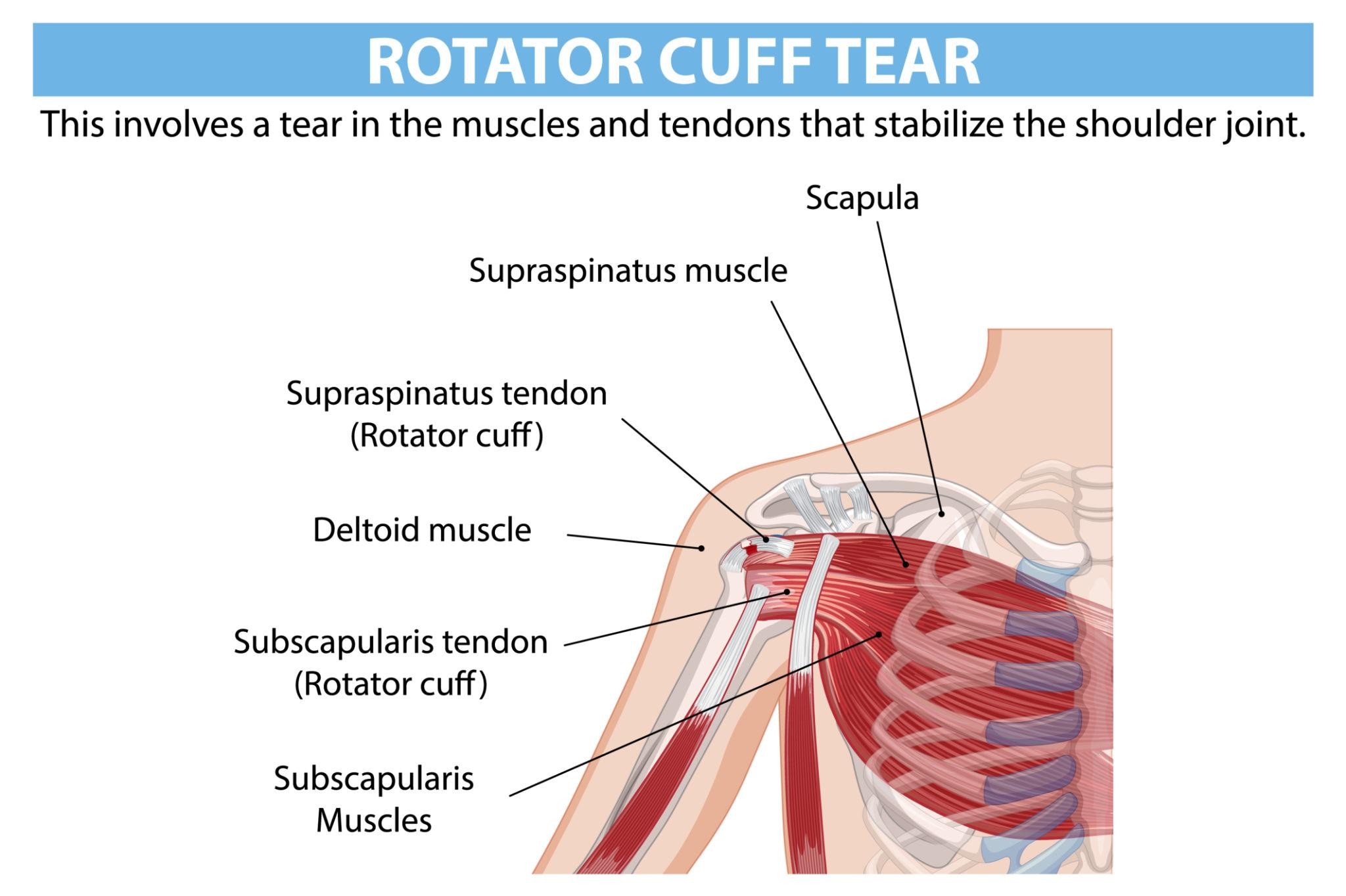
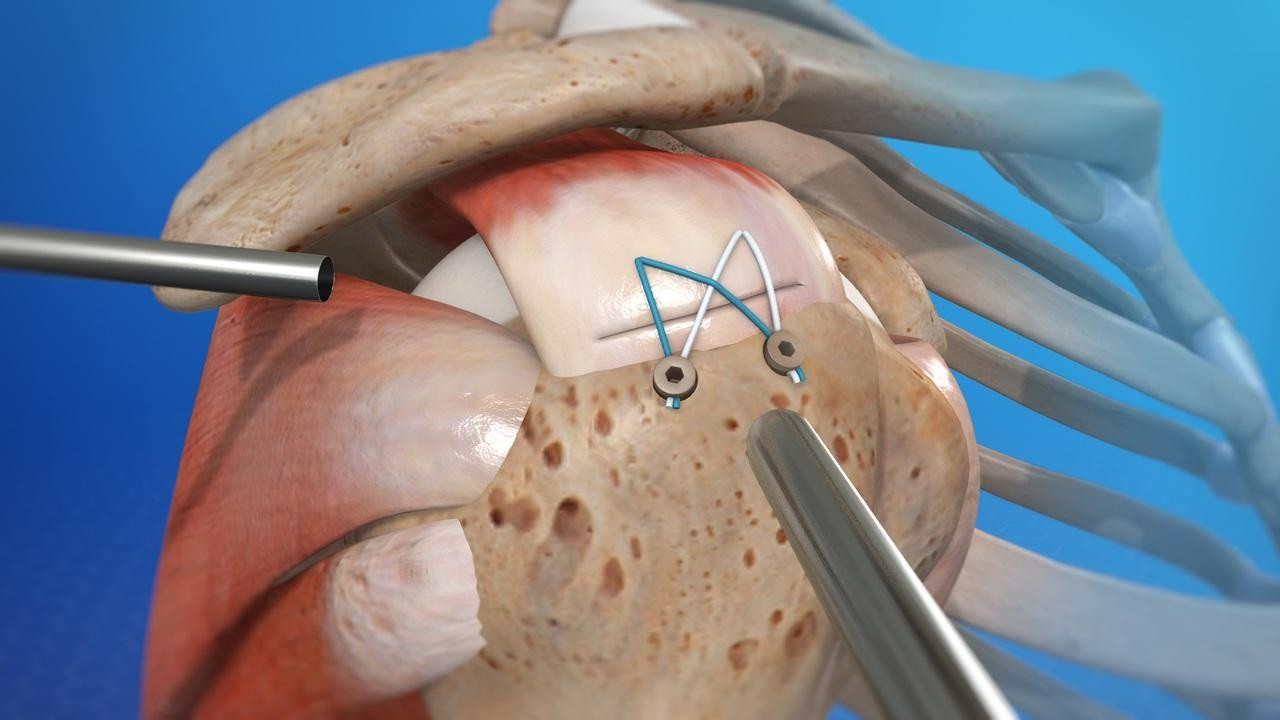
3. Rotator Cuff Injury
The rotator cuff is commonly affected in overhead athletes.
Early Signs:
Shoulder pain while throwing
Night pain
Reduced strength
Untreated inflammation may progress to partial or full tendon tears.
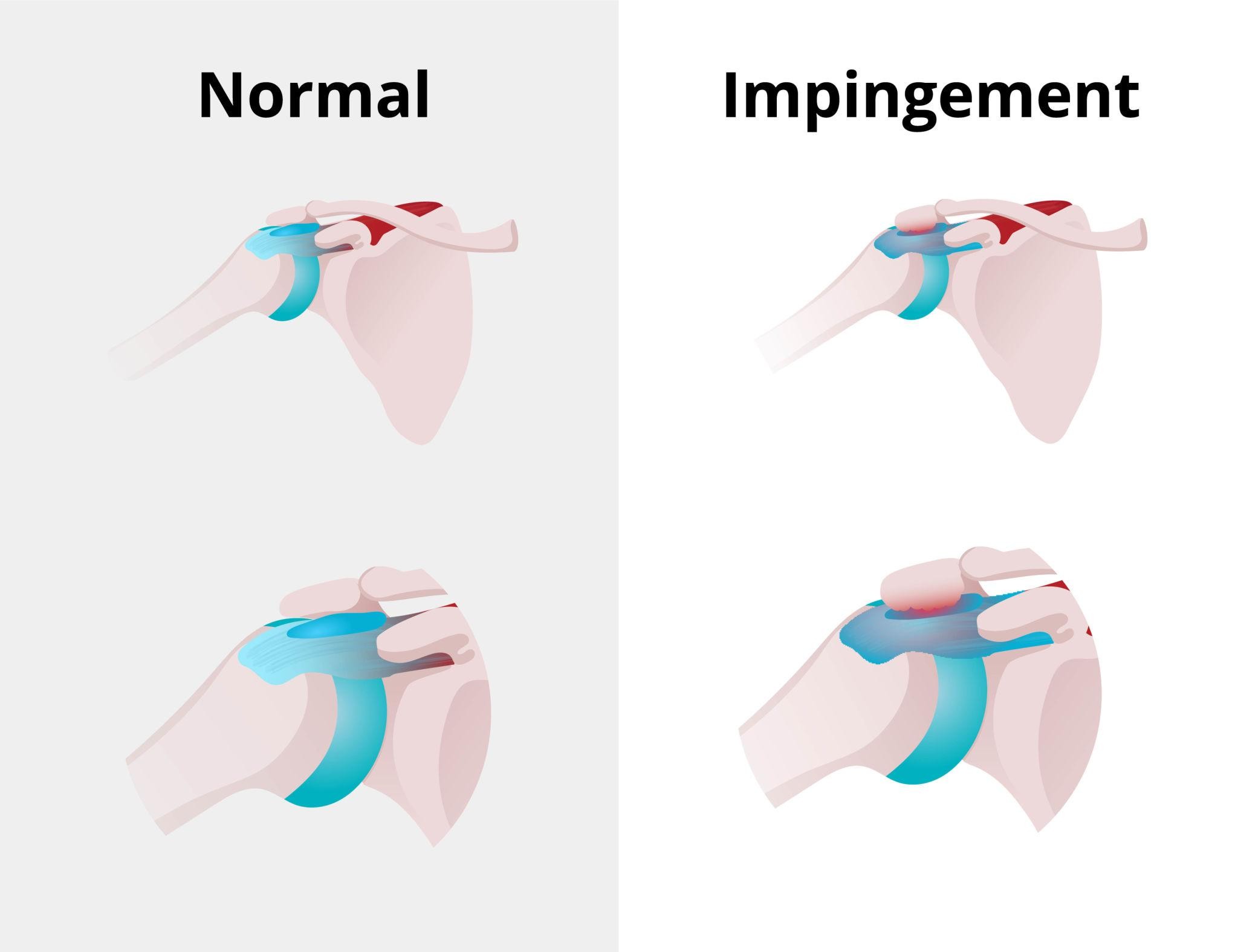
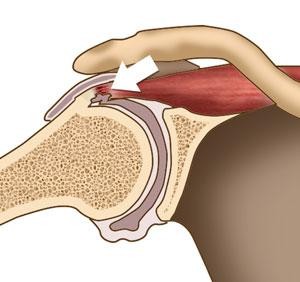
4. Internal Impingement
During extreme rotation, rotator cuff tendons may get pinched between the humeral head and glenoid.
This condition is common in competitive throwers and may lead to partial cuff tears or labral damage.
5. Shoulder Instability (“Dead Arm Syndrome”)
During extreme rotation, rotator cuff tendons m
Chronic stretching of the capsule from repeated throwing may lead to subtle instability.
Athletes may notice:
Sudden loss of power
Arm fatigue
Reduced accuracy
Drop in performance
ay get pinched between the humeral head and glenoid.
This condition is common in competitive throwers and may lead to partial cuff tears or labral damage.
6. GIRD (Glenohumeral Internal Rotation Deficit)
Loss of internal rotation due to posterior shoulder tightness.
This significantly increases the risk of labral and rotator cuff injuries.
Dr. Senthil Velan is an internationally trained orthopaedic surgeon specializing in joint and sports injury care, dedicated to restoring mobility and relieving pain.
"Head of Dept - Shoulder Elbow Wrist surgery
Miot International , chennai"