Scapula (Shoulder Blade) Fracture
Treatment by Dr. Senthilvelan – Shoulder, Elbow & Wrist Specialist
Overview
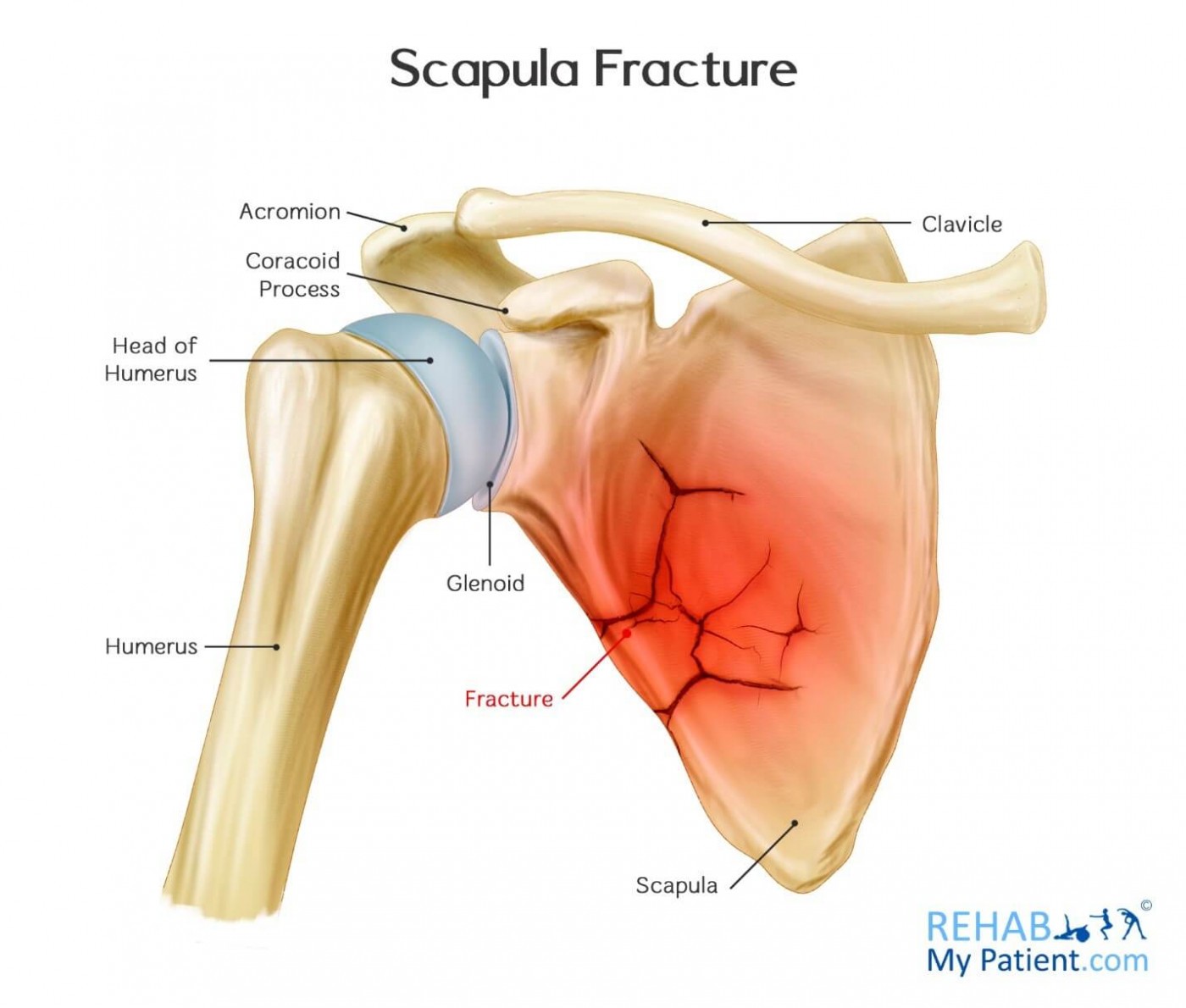
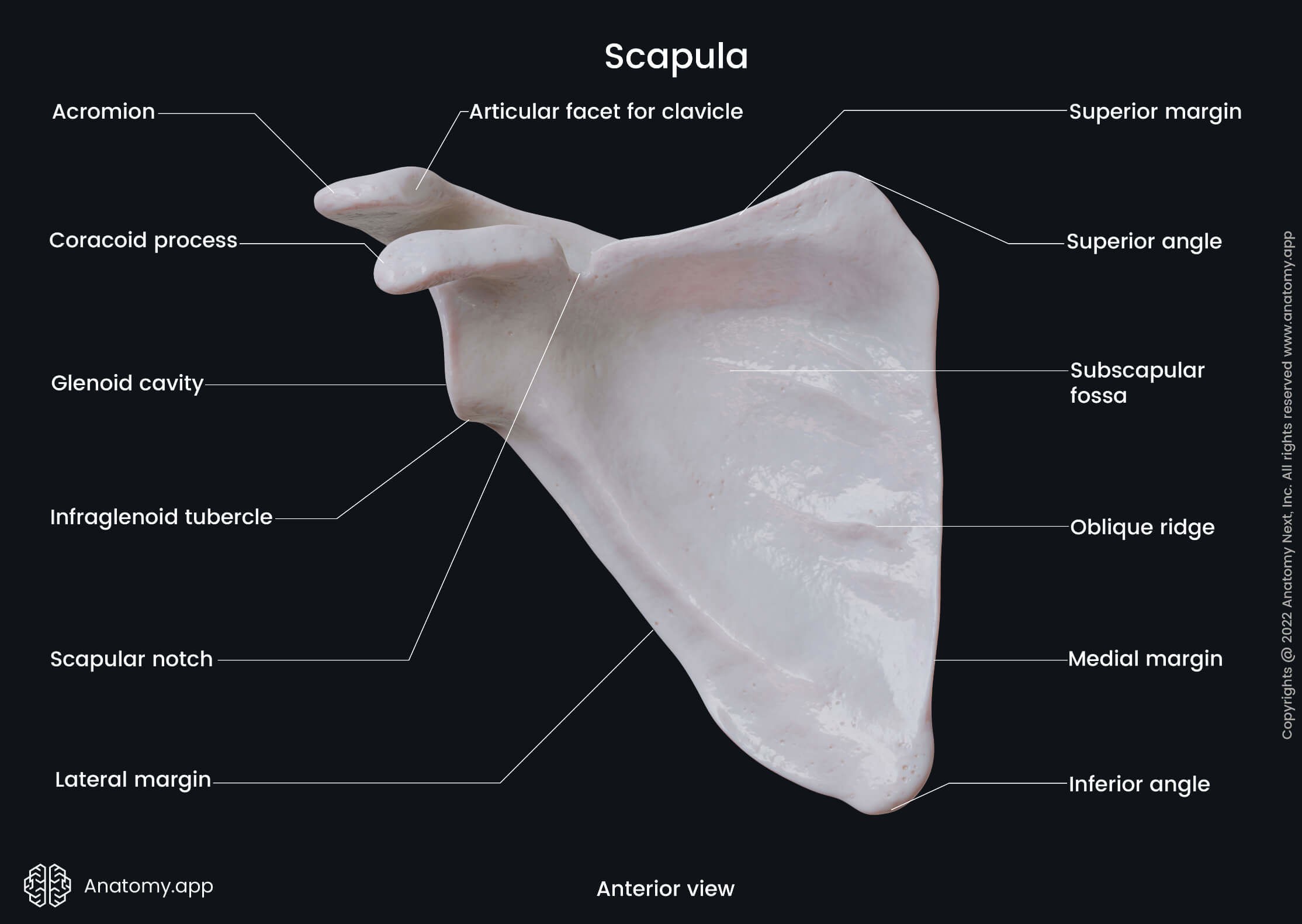
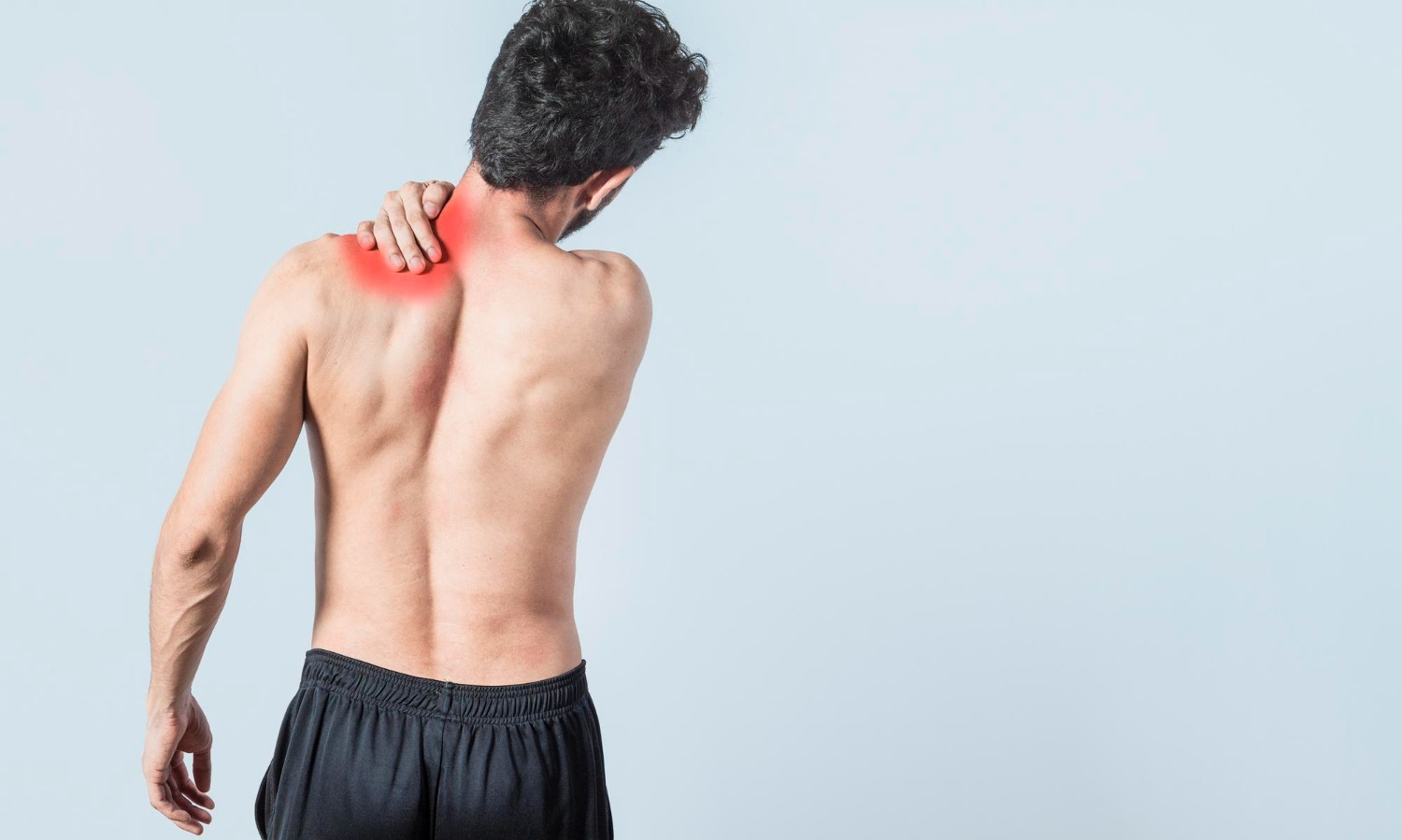
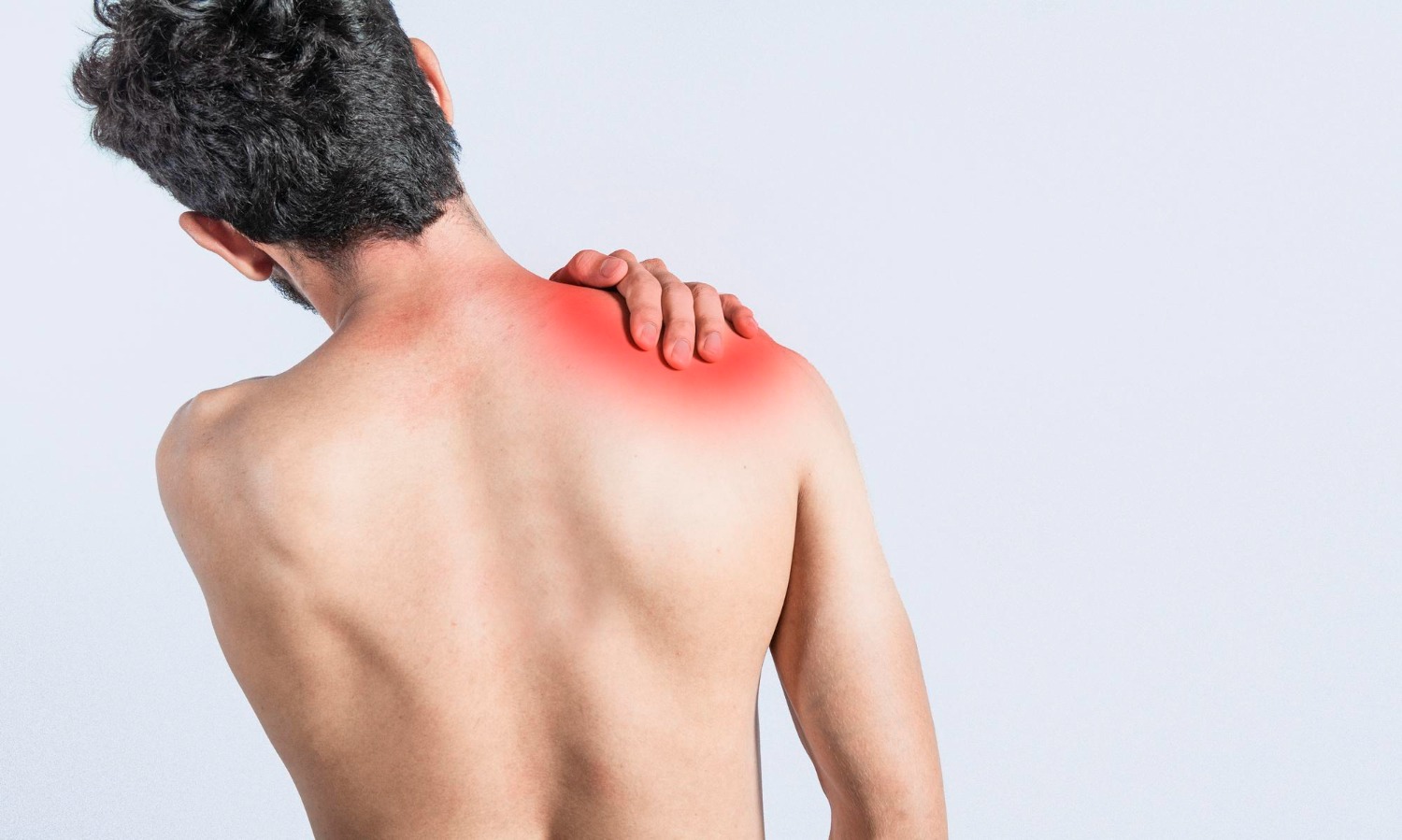
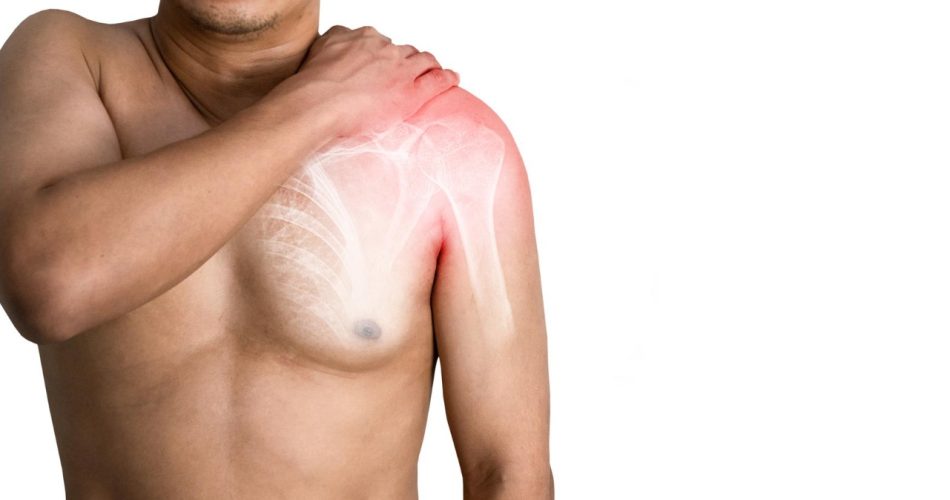
A scapula fracture is a break in the shoulder blade, a triangular bone located at the back of the shoulder. The scapula plays a crucial role in shoulder movement and stability.
Scapula fractures are uncommon injuries, accounting for less than 1% of all fractures. Because the bone is protected by thick muscles and the rib cage, these fractures usually occur after high-energy trauma such as:
- Road traffic accidents
- Falls from significant height
- High-impact sports injuries
These injuries are often associated with other serious conditions such as rib fractures, clavicle fractures, or chest injuries.
As a shoulder specialist, Dr. Senthilvelan focuses on accurate assessment, detection of associated injuries, and individualized treatment to restore shoulder function.
Shoulder Anatomy
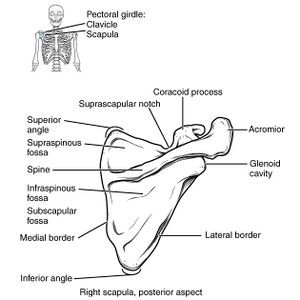
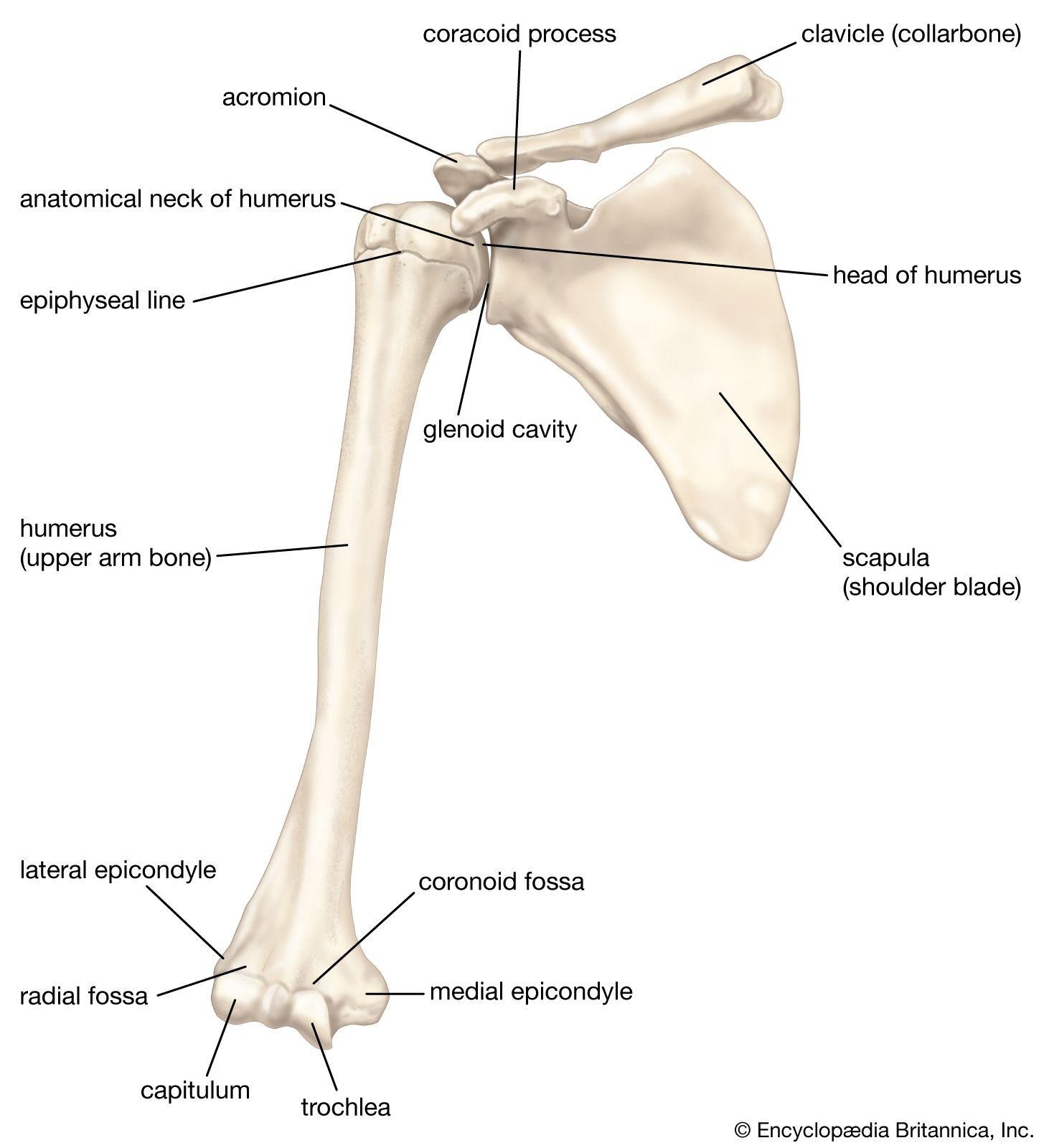
The shoulder is formed by three bones:
- Scapula (shoulder blade)
- Clavicle (collarbone)
- Humerus (upper arm bone)
The shoulder joint is a ball-and-socket joint:
- The humeral head forms the ball.
- The glenoid of the scapula forms the socket.
The scapula serves as a base for:
- Rotator cuff muscles
- Shoulder stabilizing ligaments
- AC (acromioclavicular) joint connection with the clavicle
Types of Scapula Fractures
Different parts of the scapula may be involved:
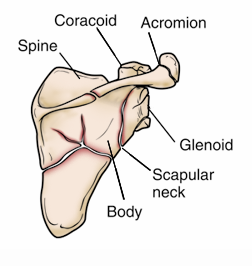
- Scapular body fractures (50–60%)
- Scapular neck fractures (around 25%)
- Glenoid fractures (joint surface)
- Acromion fractures
- Coracoid fractures
The treatment depends on:
- Location of the fracture
- Amount of displacement
- Joint involvement
Causes
Most scapula fractures occur due to high-energy trauma, including:
- Road traffic accidents
- Falls from height
- Direct blow to the back of the shoulder
- Sports injuries
Because of the high-energy nature of these injuries, patients may also have:
- Rib fractures
- Clavicle fractures
- Lung injuries
- Head or spinal injuries
Risk Factors
- Age above 40 years
- Repetitive overhead work
- Sports like tennis, cricket, or swimming
- Manual labor occupations
- Previous shoulder injuries
Symptoms
Common symptoms include:
- Severe pain with shoulder movement
- Swelling around the back of the shoulder
- Bruising or abrasions
- Difficulty lifting the arm
Evaluation by Dr. Senthilvelan
Clinical Examination
Dr. Senthilvelan performs a careful assessment to:
- Evaluate shoulder alignment
- Check for associated injuries
- Examine muscle and soft-tissue damage
- Assess nerve and blood vessel function
In severe trauma cases, treatment of life-threatening injuries is prioritized.
Imaging Investigations
X-rays
- Confirm presence of fracture
- Identify fracture location
CT Scan
- Provides detailed 3D view
- Helps assess joint involvement
- Essential for surgical planning
Dr. Senthilvelan’s Treatment Approach
Treatment depends on:
- Fracture type
- Displacement
- Joint involvement
- Associated injuries
- Patient’s functional needs
Non-Surgical Treatment
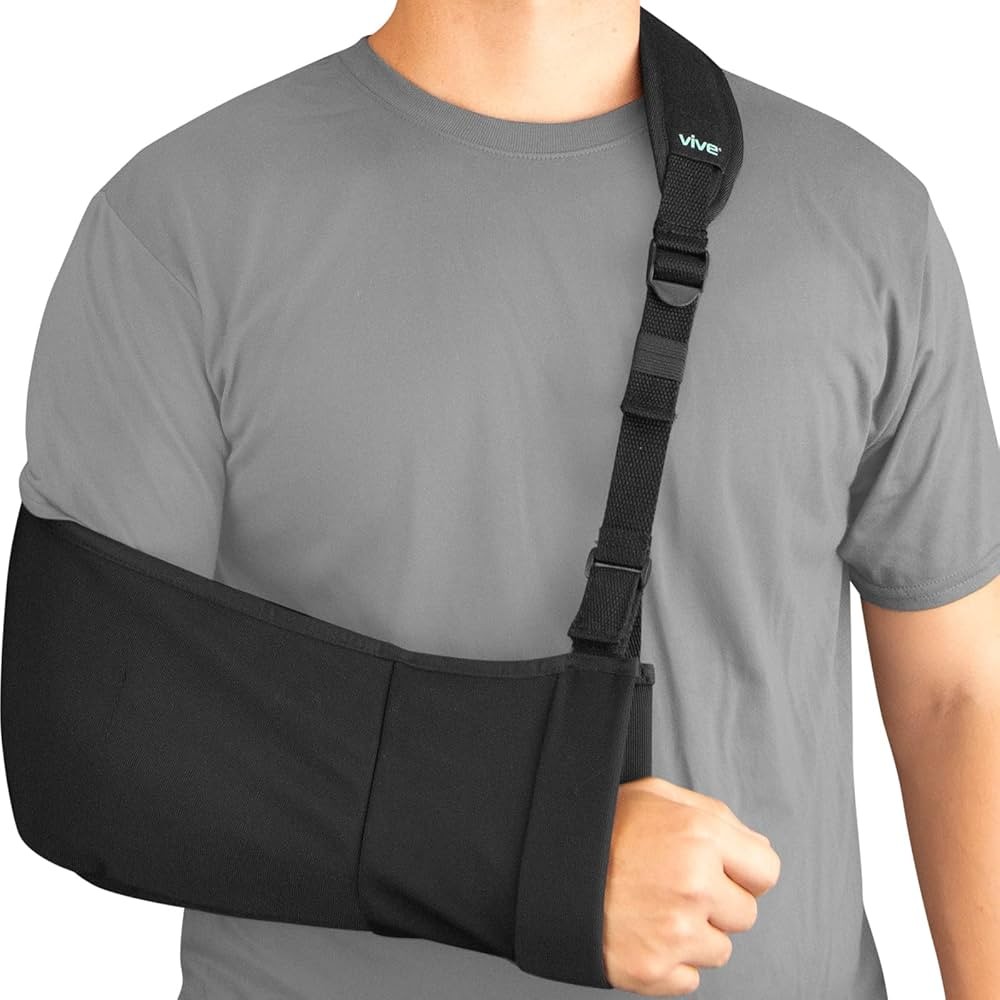
Most scapula fractures can be treated without surgery.
Treatment Steps
Sling Immobilization
- Supports the arm during healing
- Reduces pain
Early Motion
- Gentle shoulder movement started within 1–2 weeks
- Prevents stiffness
Physiotherapy
- Gradual stretching and strengthening
- Restores shoulder function
Healing Timeline
- Bone healing: 3–4 months
- Full shoulder recovery: several additional months
Many patients return to normal activities within 6–8 weeks if surgery is not required.
Surgical Treatment
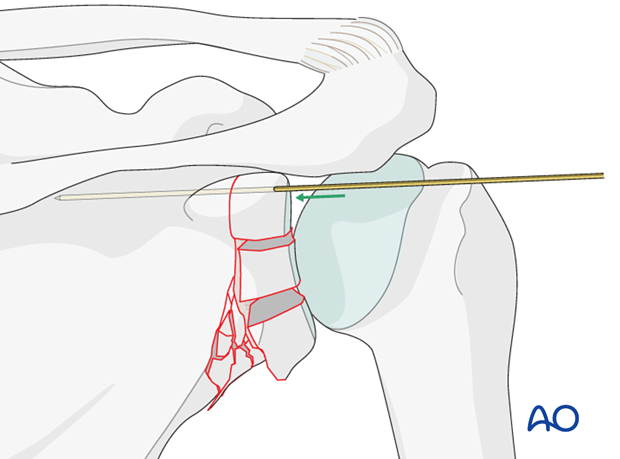
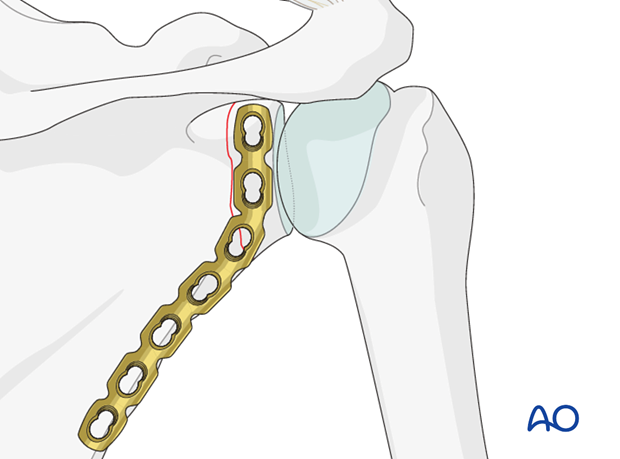
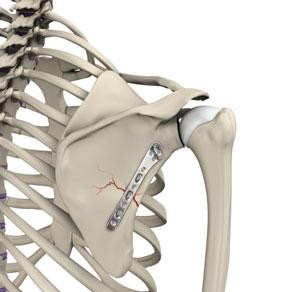
Surgery is required in specific situations, including:
- Displaced glenoid fractures involving the joint
- Scapular neck fractures with severe angulation
- Acromion fractures causing impingement
- Fractures affecting shoulder stability
Open Reduction and Internal Fixation (ORIF)
Procedure performed by Dr. Senthilvelan:
- Fracture site is exposed surgically
- Bone fragments are realigned
- Plates and screws are used to stabilize the fracture
- Shoulder alignment is restored
This ensures:
- Proper joint mechanics
- Better shoulder strength
- Reduced long-term complications
Rehabilitation After Surgery
Recovery typically involves:
- Sling support: 3–6 weeks
- Gradual physiotherapy
- Strengthening exercises after bone healing
Full recovery may take:
- 4–6 months depending on fracture severity
Expected Outcome
Most patients:
- Achieve good pain relief
- Regain functional shoulder motion
- Return to normal activities
Complex fractures may require longer recovery.
Possible Complications
Although uncommon, risks may include:
- Infection
- Stiffness
- Nerve or blood vessel injury
- Implant irritation
- Delayed bone healing
Patient FAQs – Scapula Fracture
How serious is a scapula fracture?
Scapula fractures are usually caused by high-energy trauma. While many heal well without surgery, they often occur with other injuries that must be evaluated carefully.
Will I need surgery for a scapula fracture?
Most scapula fractures heal without surgery. I recommend surgery only if the fracture is significantly displaced or involves the joint.
How is a scapula fracture diagnosed?
Diagnosis is done using X-rays. A CT scan is often required to understand the exact fracture pattern.
How long does it take to heal?
The bone usually heals in 3–4 months. Full shoulder strength and motion may take several more months.
Will I have permanent stiffness?
With proper physiotherapy, most patients regain good shoulder function.
What treatment will you provide?
I evaluate the fracture, check for associated injuries, and decide whether sling treatment or surgical fixation is best.
Will you perform the surgery yourself?
Yes. If surgery is required, I personally perform the procedure and supervise the entire recovery process.
When can I return to normal activities?
Light activities may resume in 6–8 weeks for non-surgical cases. Full activities usually take a few months.
Will the metal plates need to be removed?
In most cases, plates and screws can remain permanently unless they cause discomfort.
How closely will you monitor my recovery?
I schedule regular follow-ups, review X-rays, and guide physiotherapy to ensure proper healing and shoulder function.