Rotator Cuff Tear
Treatment by Dr. Senthilvelan – Shoulder, Elbow & Wrist Specialist
Overview
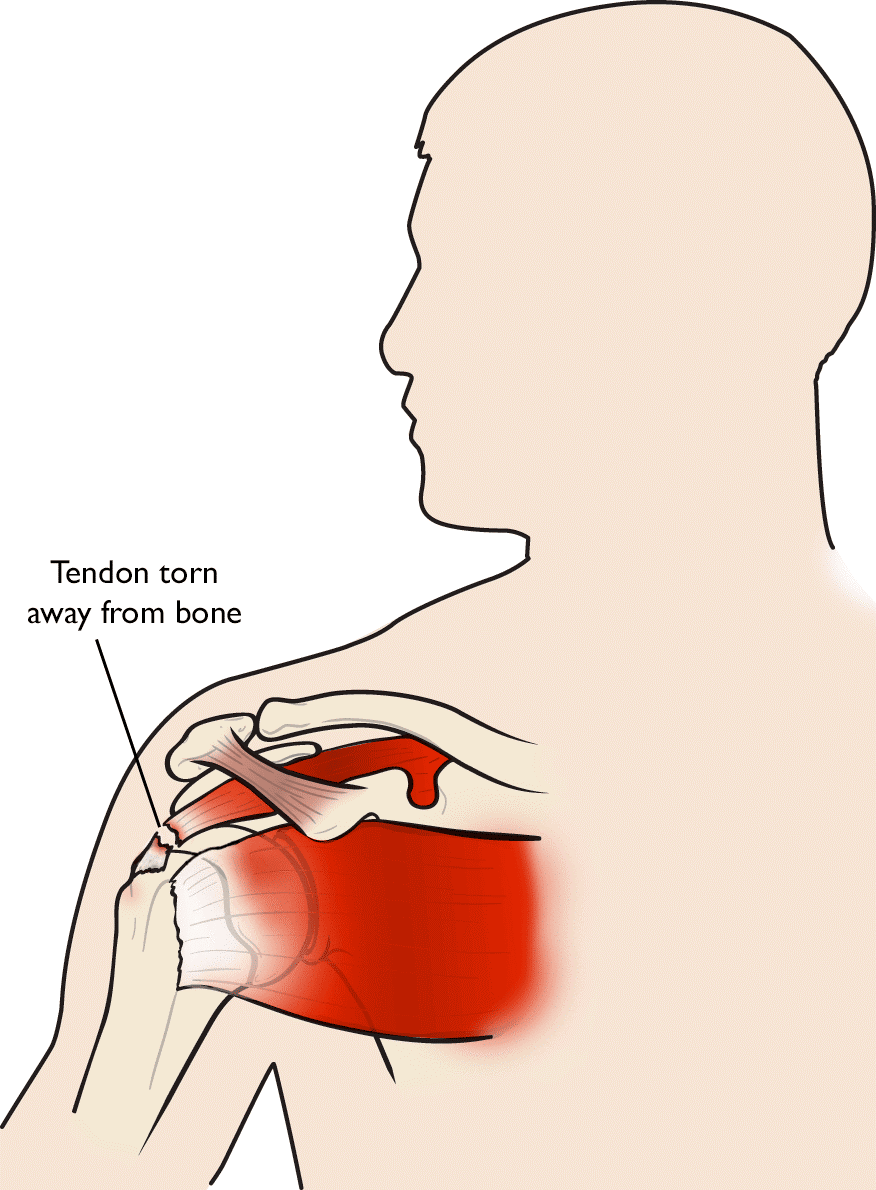
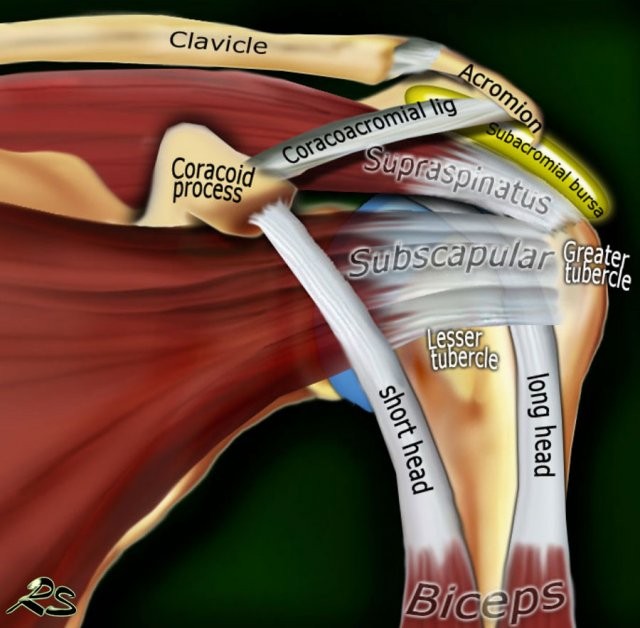
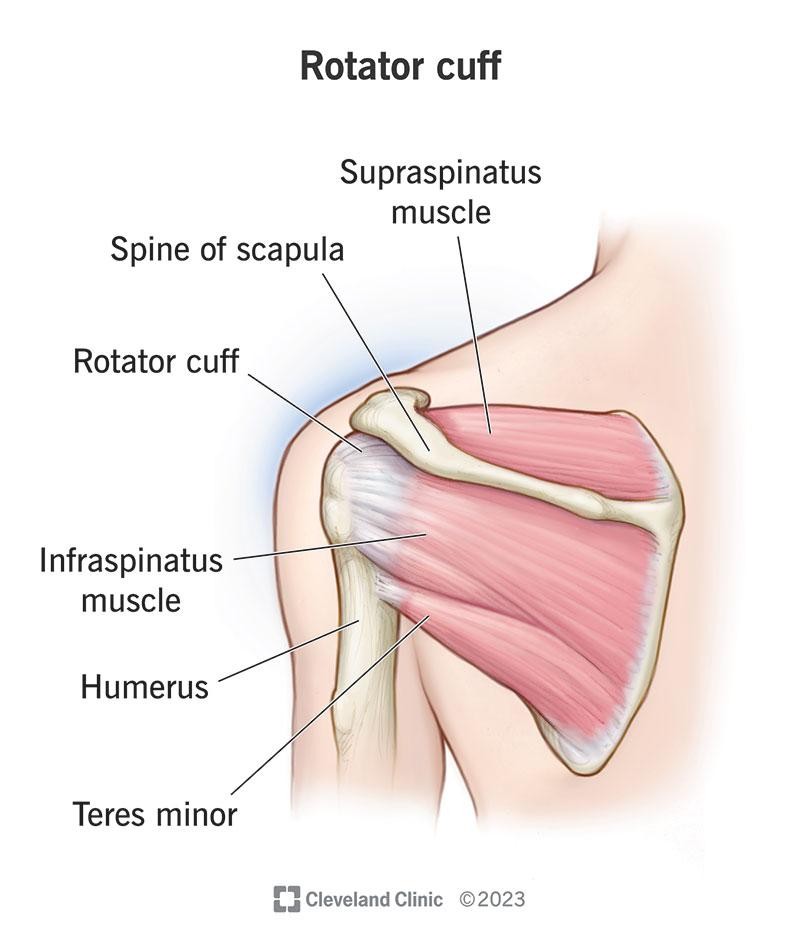
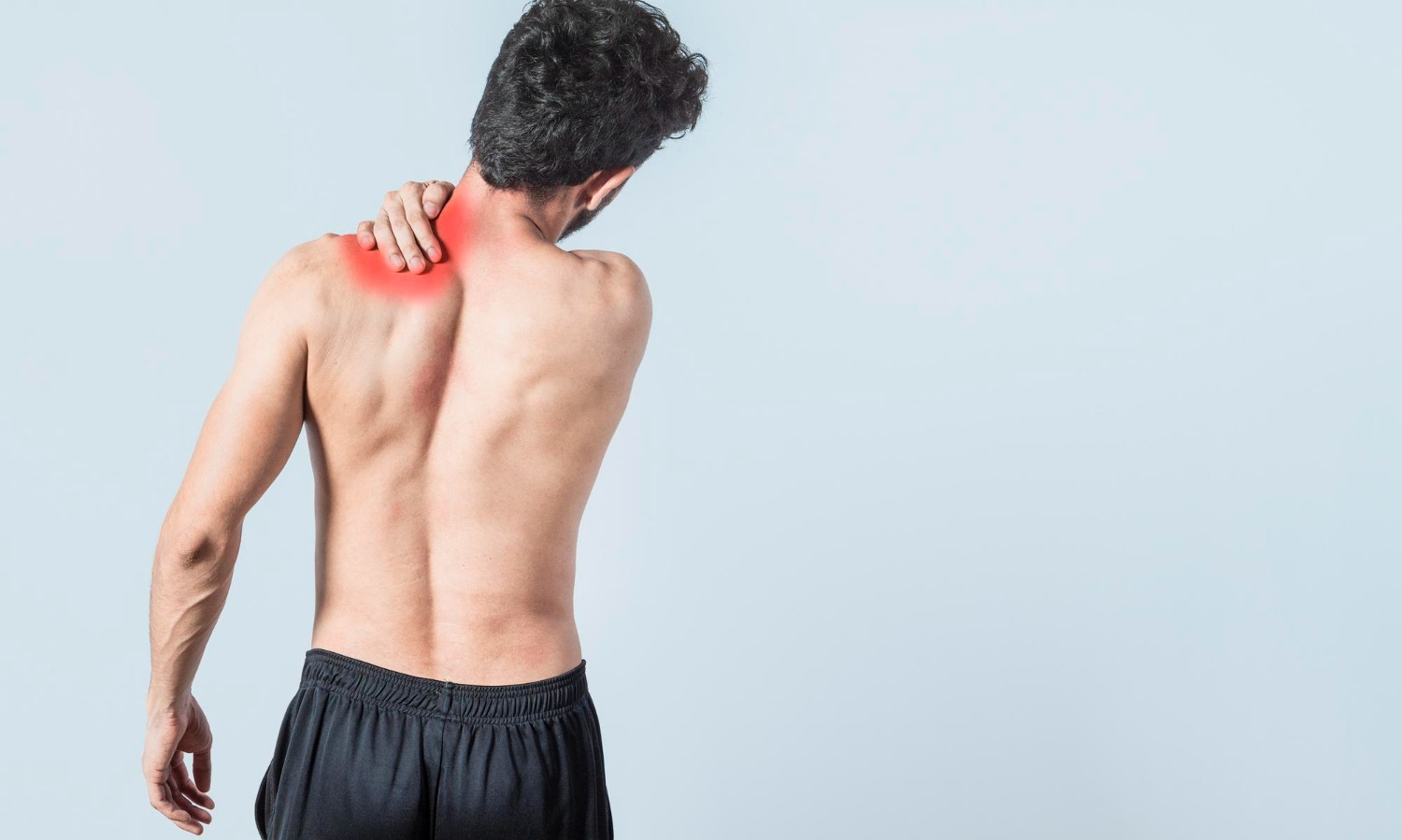
A rotator cuff tear is one of the most common causes of shoulder pain and weakness in adults. It occurs when one or more of the rotator cuff tendons become partially or completely torn.
The rotator cuff is essential for:
- Lifting the arm
- Rotating the shoulder
- Stabilizing the shoulder joint
When the rotator cuff is torn, simple daily activities such as combing hair, reaching overhead, or dressing can become painful and difficult.
As a specialist shoulder surgeon, Dr. Senthilvelan focuses on accurate diagnosis, stage-specific treatment, and advanced arthroscopic repair techniques to restore shoulder strength and function.
Shoulder Anatomy
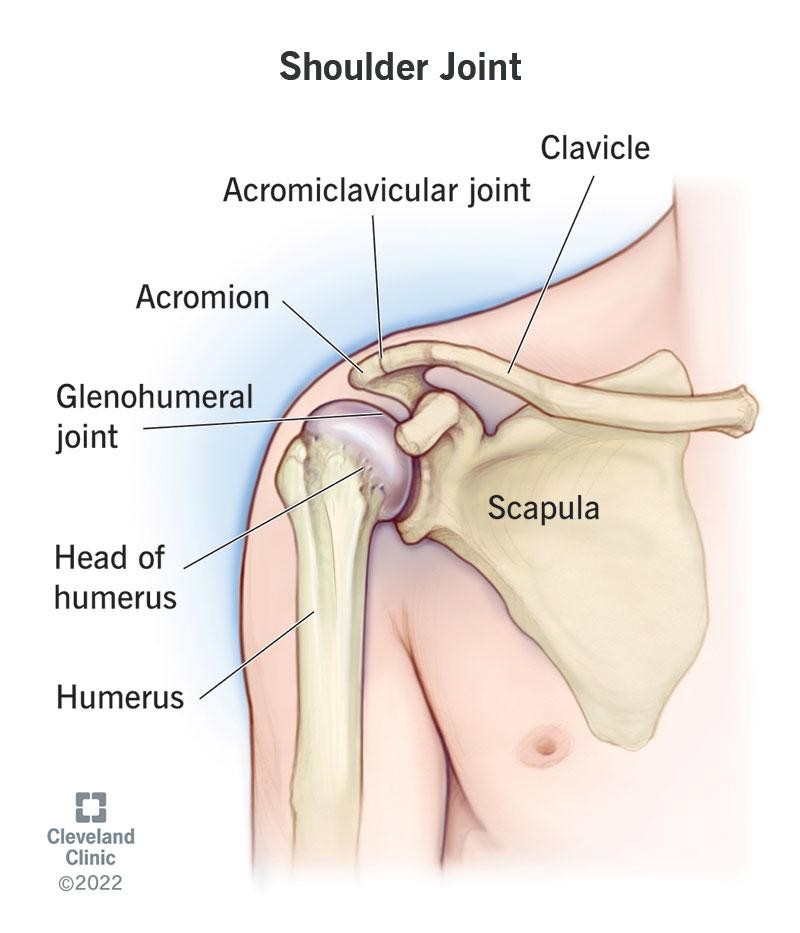
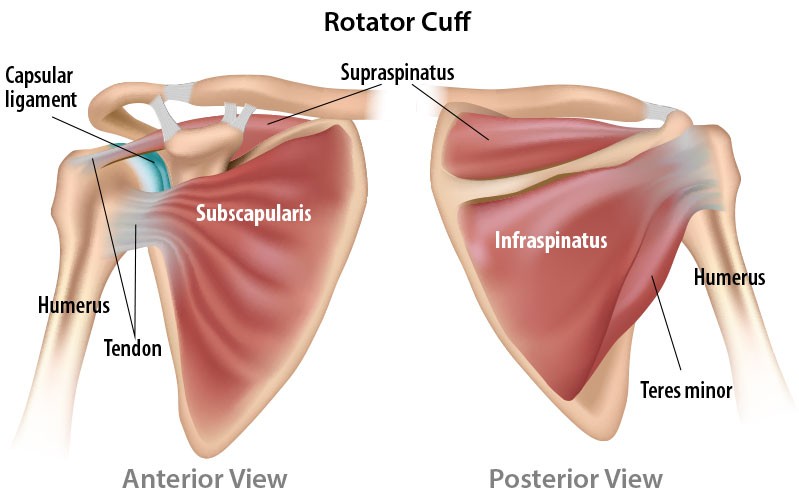
The shoulder is a ball-and-socket joint formed by:
- Humerus (upper arm bone)
- Scapula (shoulder blade)
- Clavicle (collarbone)
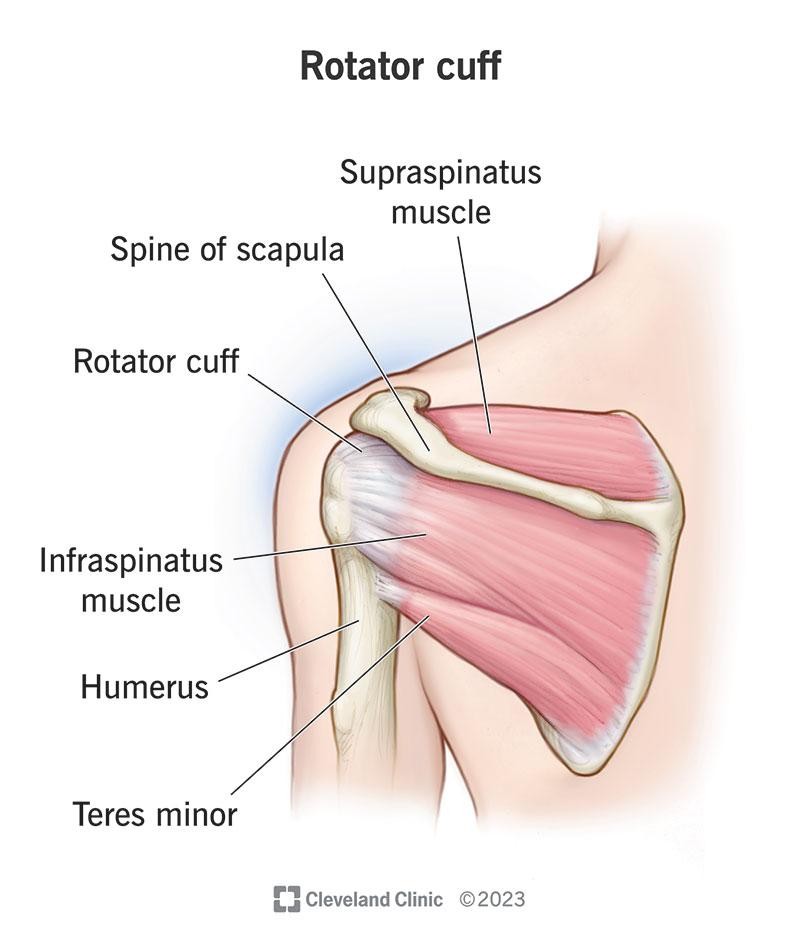
The rotator cuff consists of four muscles and tendons:
- Supraspinatus
- Infraspinatus
- Teres minor
- Subscapularis
These tendons form a covering around the head of the humerus and help control shoulder movement.
A lubricating sac called the bursa allows the tendons to glide smoothly during motion.
What is a Rotator Cuff Tear
A rotator cuff tear occurs when one or more tendons detach from the bone.
Types of Tears
Partial Tear
- Tendon is damaged but still attached
- Thinner than normal
Full-Thickness Tear
- Tendon is completely detached
- Creates a gap in the tendon
Most tears involve the supraspinatus tendon.
Causes of Rotator Cuff Tears
Acute (Injury-Related) Tears
- Fall on an outstretched arm
- Sudden heavy lifting
- Shoulder dislocation or fracture
Degenerative (Wear-Related) Tears
More common with aging due to:
- Repetitive overhead activity
- Reduced blood supply
- Gradual tendon degeneration
Risk Factors
- Age above 40 years
- Repetitive overhead work
- Sports like tennis, cricket, or swimming
- Manual labor occupations
- Previous shoulder injuries
Symptoms
Common symptoms include:
- Shoulder pain at rest or during activity
- Night pain when lying on the affected side
- Weakness while lifting or rotating the arm
- Difficulty with daily activities
- Crackling or grinding sensation
Acute tears may cause:
- Sudden severe pain
- Snapping sensation
- Immediate weakness
Evaluation by Dr. Senthilvelan
Clinical Examination
Dr. Senthilvelan personally performs a comprehensive shoulder assessment, including:
- Range of motion testing
- Rotator cuff strength testing
- Special rotator cuff tests
- Evaluation of surrounding structures
He also evaluates the neck and other joints to rule out referred pain.
Imaging Investigations
X-rays
- Rule out arthritis or fractures
- Detect long-standing degenerative changes
MRI Scan
- Confirms tear size and location
- Assesses tendon quality
- Evaluates muscle condition
Ultrasound
- Alternative imaging option
- Useful in experienced hands
Dr. Senthilvelan’s Treatment Approach
Treatment is individualized based on:
- Age
- Activity level
- Tear size
- Duration of symptoms
- Functional needs of the patient
The primary goals are:
- Pain relief
- Restoration of strength
- Improved function
- Prevention of tear progression
Non-Surgical Treatment
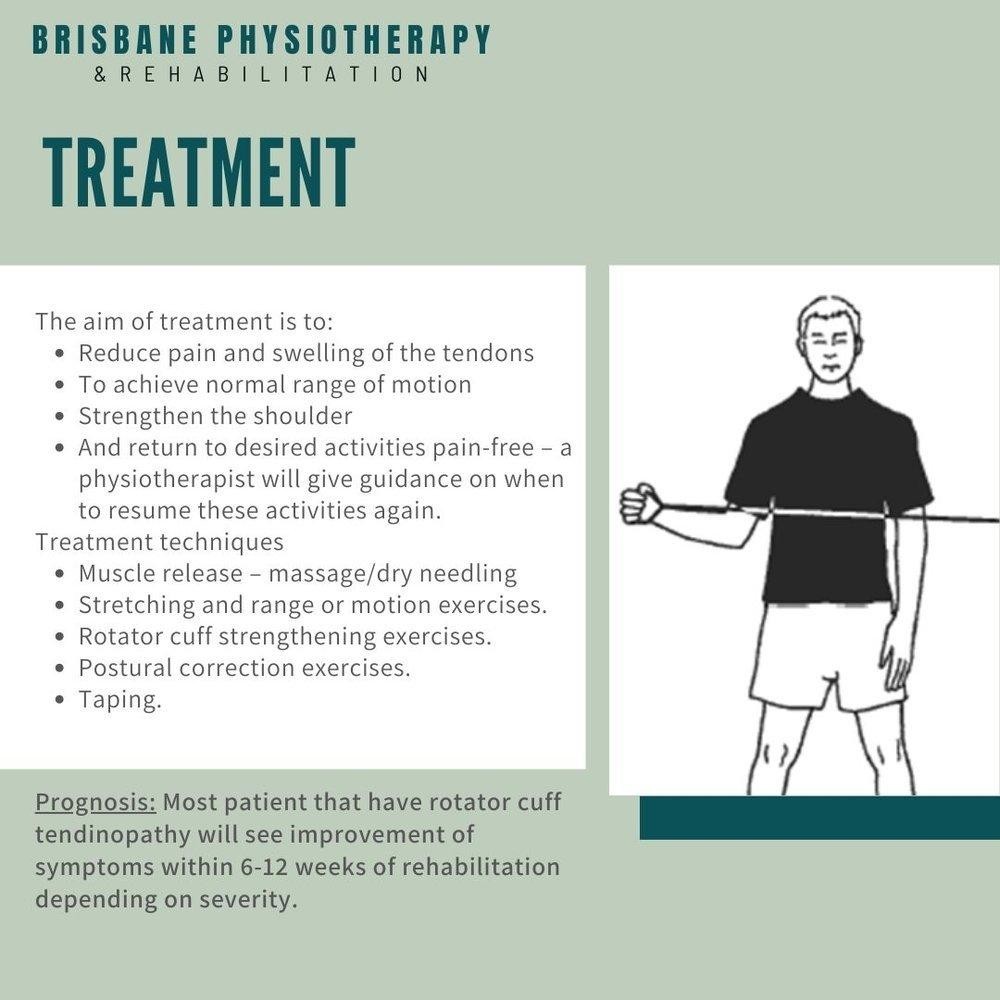
Approximately 80–85% of patients improve without surgery.
Treatment Options
Activity Modification
Avoid overhead or painful movements.
Medications
Anti-inflammatory medications to control pain.
Physiotherapy
A structured program prescribed and supervised by Dr. Senthilvelan, including:
- Strengthening exercises
- Range-of-motion training
- Posture correction
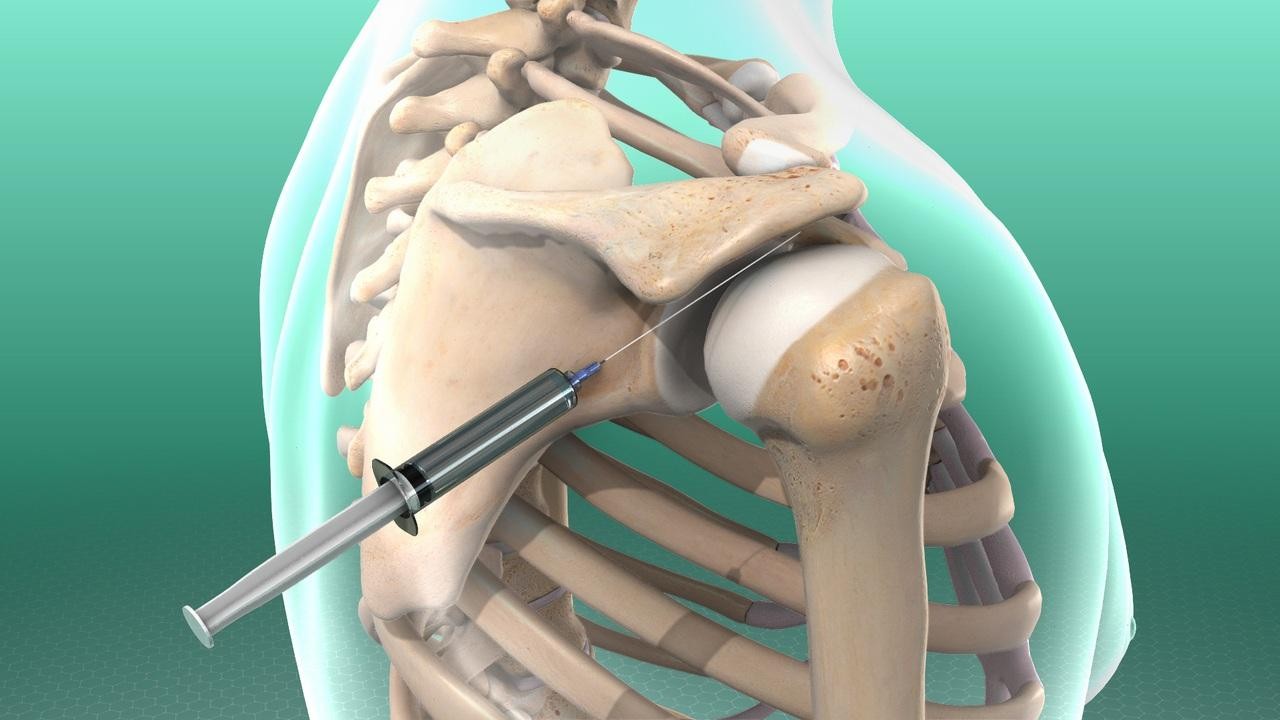
Steroid Injections
- Reduces inflammation
- Provides temporary pain relief
- Used selectively based on clinical evaluation
Surgical Treatment
Surgery is recommended when:
- Pain persists despite proper treatment
- Significant weakness is present
- Tear is large
- Symptoms last more than 6–12 months
- Acute traumatic tear in active individuals
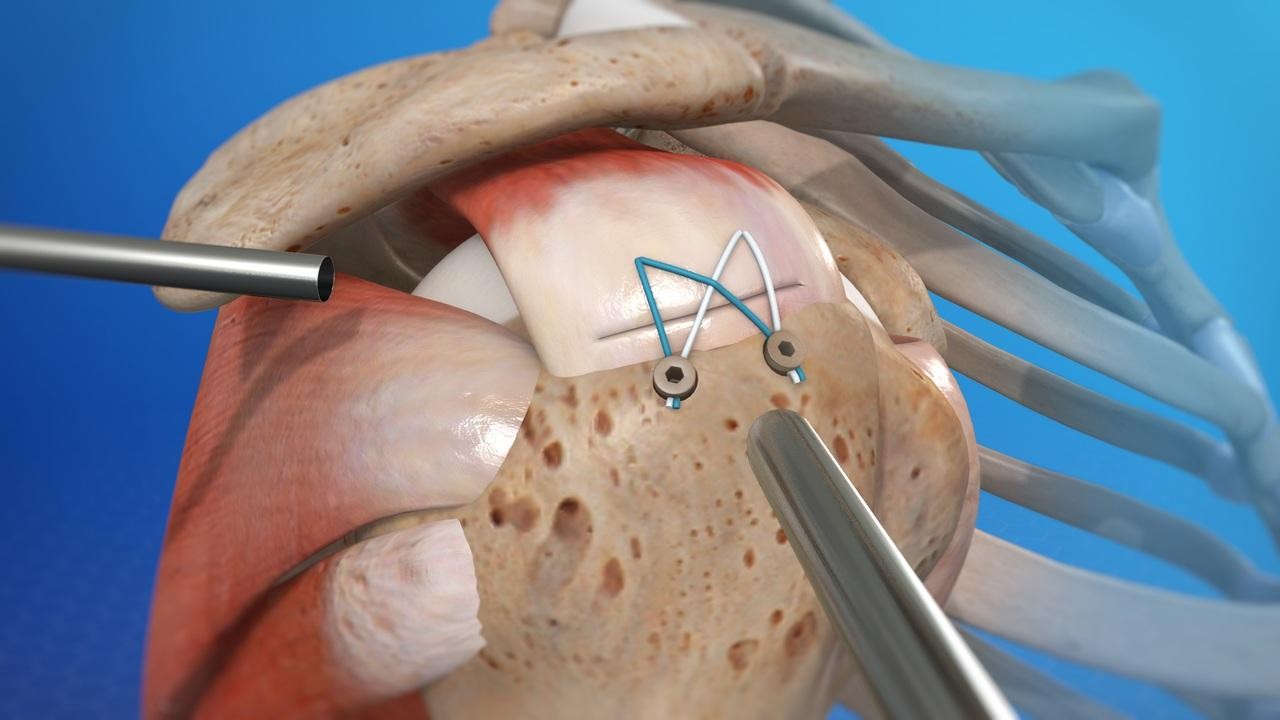
Arthroscopic Rotator Cuff Repair
This is the most common procedure performed by Dr. Senthilvelan.
Procedure Steps
- Small keyhole incisions are made
- A camera is inserted into the shoulder joint
- Torn tendon is identified
- Tendon is reattached to bone using anchors
- Associated problems are treated if present
Advantages
- Minimally invasive
- Less postoperative pain
- Faster recovery
- Better cosmetic outcome
Additional Procedures (if required)
Depending on the condition of the shoulder, Dr. Senthilvelan may also perform:
- Subacromial decompression
- Biceps tenodesis
- Labral repair
- Debridement of damaged tissue
He personally performs the surgery and supervises the entire rehabilitation process.
Recovery After Rotator Cuff Surgery
Typical recovery timeline:
- Sling support: 4–6 weeks
- Passive motion: early phase
- Active exercises: after 6–8 weeks
- Strengthening: around 3 months
- Full recovery: 4–6 months
Recovery is closely monitored by Dr. Senthilvelan through regular follow-ups.
Expected Outcome
Most patients:
- Experience significant pain relief
- Regain shoulder strength
- Return to normal daily activities
- Resume sports and work
Possible Surgical Risks
Although uncommon, risks may include:
- Infection
- Stiffness
- Re-tear of tendon
- Nerve injury
- Implant-related issues
These risks are minimized through proper surgical technique and rehabilitation.
Patient FAQs – Rotator Cuff Tear
What is a rotator cuff tear?
It is a tear in one or more of the tendons that stabilize and move the shoulder joint.
What causes rotator cuff tears?
They may occur due to injury or gradual wear and tear, especially after the age of 40.
Can a rotator cuff tear heal without surgery?
Yes. Many small or partial tears improve with physiotherapy and medications.
When do you recommend surgery?
I recommend surgery when pain persists, weakness is significant, or the tear is large.
What surgery is done for rotator cuff tears?
The most common procedure is arthroscopic rotator cuff repair, where the tendon is reattached to the bone.
Will you perform the surgery yourself?
Yes. I personally perform the surgery and supervise every step of the treatment and rehabilitation.
How long does recovery take?
Most patients recover in 4–6 months, depending on the tear size and adherence to rehabilitation.
Will I regain full shoulder strength?
Most patients regain good functional strength and return to normal activities.
What happens if I delay treatment?
The tear may enlarge over time, making it more difficult to repair and affecting the outcome.
How closely will you monitor me after surgery?
I schedule regular follow-ups, guide your physiotherapy, and monitor healing to ensure the best possible outcome