Clavicle Fracture (Broken Collarbone)
Treatment by Dr. Senthilvelan – Shoulder, Elbow & Wrist Specialist
Overview
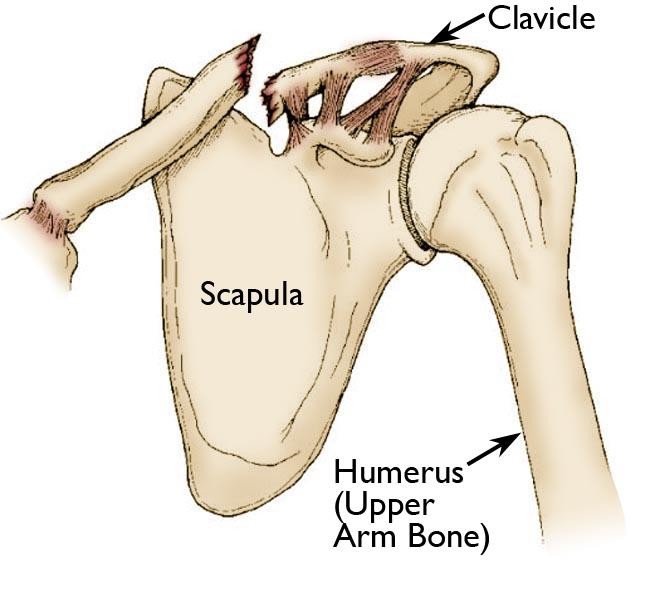
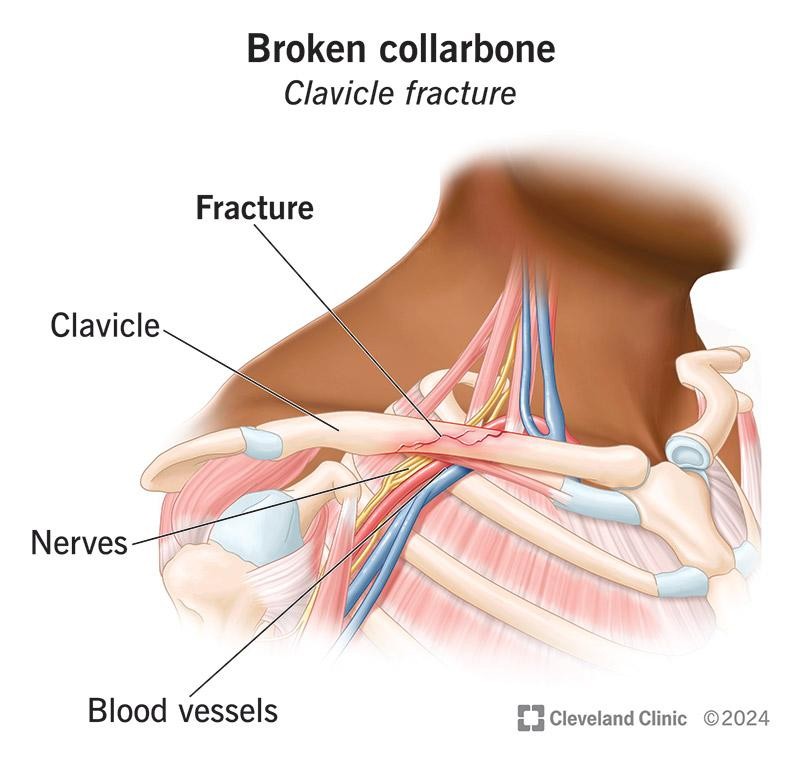
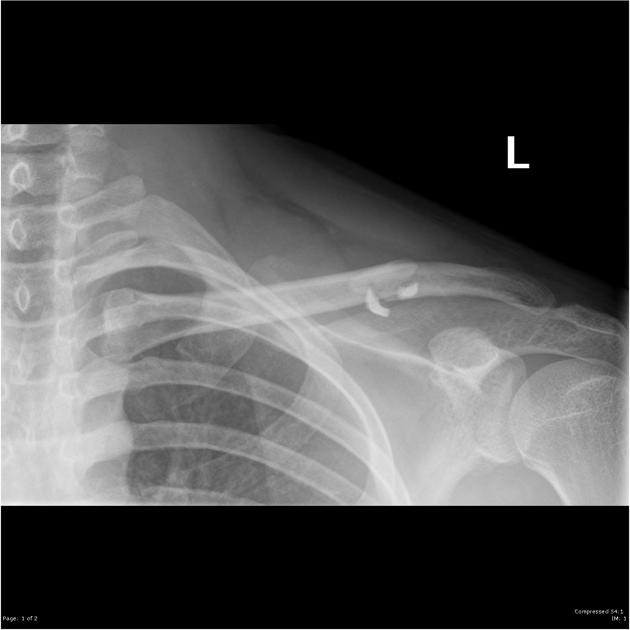
A clavicle fracture is a break in the collarbone, one of the main bones connecting the arm to the body. This type of fracture accounts for about 5% of all adult fractures.
Most clavicle fractures occur after:
- A fall onto the shoulder
- A fall onto an outstretched arm
- Sports injuries
- Road traffic accidents
A broken collarbone can be very painful and may make it difficult to move the arm.
Many clavicle fractures heal well with sling support. However, in more complex fractures where the bone ends are significantly displaced, surgery may be required to restore alignment and shoulder function.
Shoulder Anatomy
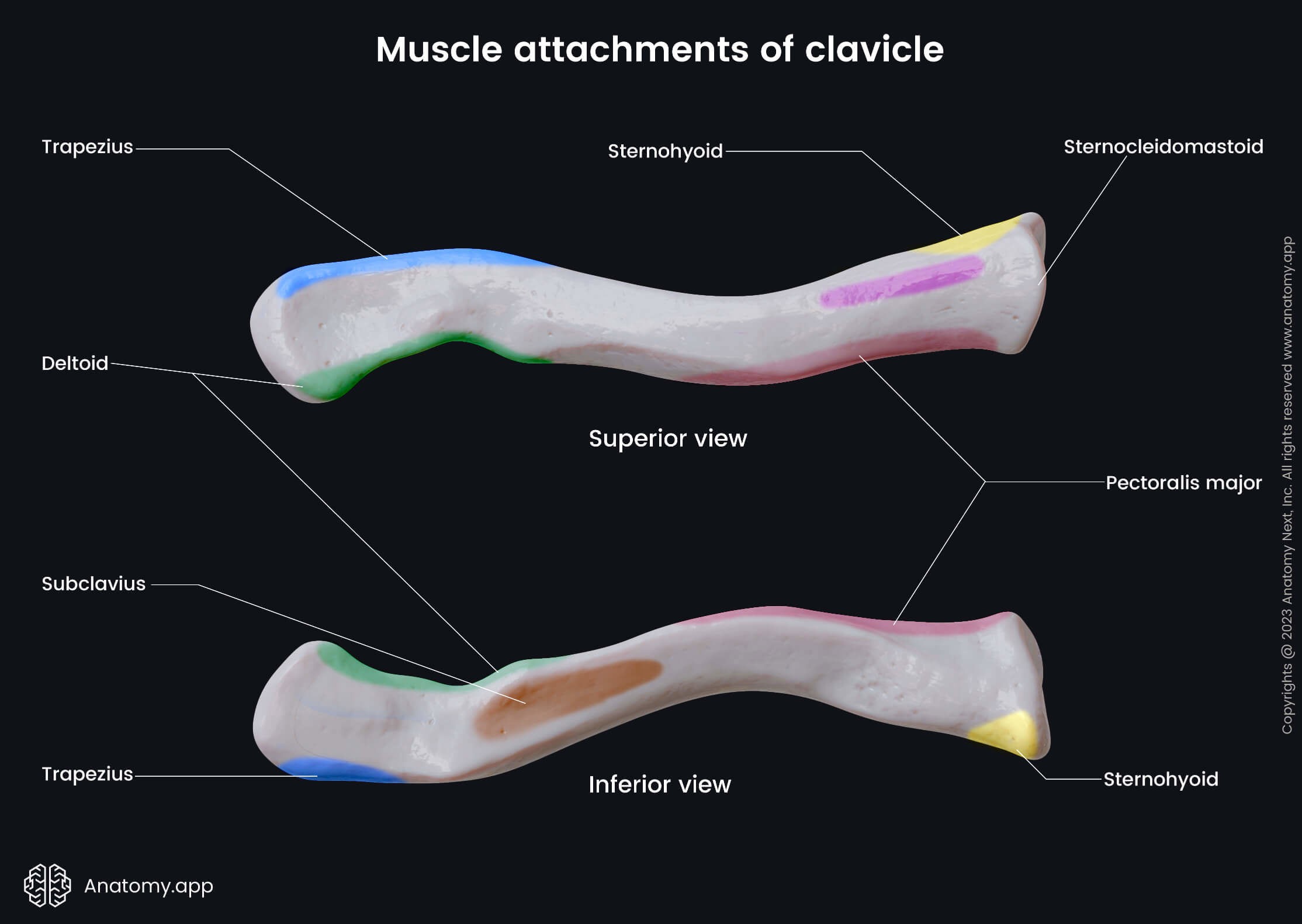
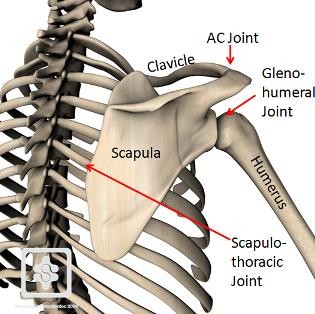
The clavicle is located between:
- The sternum (breastbone)
- The scapula (shoulder blade)
It acts as a strut that holds the shoulder away from the chest and allows free arm movement.
The clavicle lies above important nerves and blood vessels, which are carefully assessed in cases of fracture.
Description of the Fracture
Clavicle fractures can occur in different parts of the bone:
- Middle (shaft): most common site
- Near the sternum
- Near the shoulder blade
Fractures may vary in severity:
Simple Fracture
- Bone cracks slightly
- Ends remain aligned
Comminuted Fracture
- Bone breaks into multiple pieces
Displaced Fracture
- Bone fragments shift out of normal position
Causes
Clavicle fractures usually result from:
- Direct blow to the shoulder
- Fall during sports
- Road traffic accidents
- Fall onto an outstretched arm
In newborns, fractures can rarely occur during birth.
Evaluation by Dr. Senthilvelan
Clinical Examination
Dr. Senthilvelan performs a thorough assessment including:
- Inspection for deformity or swelling
- Gentle palpation of the fracture site
- Assessment of shoulder movement
- Examination of nerve and blood vessel function
In some cases, the bone fragments may cause “tenting” of the skin, which requires urgent attention.
Imaging Investigations
X-rays
Used to:
- Confirm the fracture
- Identify the fracture location
- Assess displacement
CT Scan
Recommended if:
- Multiple fractures are suspected
- Complex fracture patterns are present
- Surgical planning is required
Dr. Senthilvelan’s Treatment for Clavicle Fractures
Treatment depends on:
- Fracture location
- Degree of displacement
- Patient activity level
- Functional demands
Non-Surgical Treatment
Most clavicle fractures heal without surgery.
Treatment Approach
- Arm supported in a sling
- Pain medications
- Early movement of hand, wrist, and elbow
- Gradual shoulder exercises after initial healing
Regular follow-up X-rays are done to monitor bone healing.
Surgical Treatment
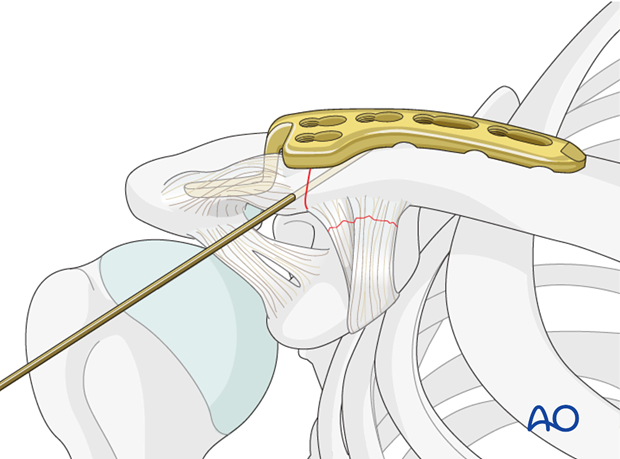
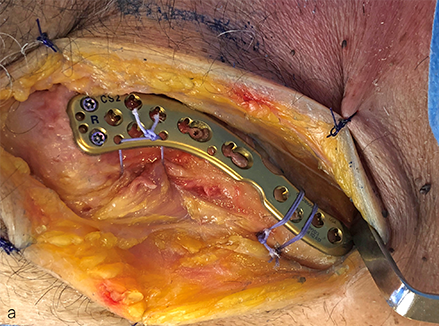
Surgery is recommended when:
- Fracture fragments are significantly displaced
- Bone ends are tenting the skin
- Multiple fragments are present
- Nonunion or malunion occurs
- Functional demands are high
Dr. Senthilvelan personally performs all fracture surgeries and supervises the full recovery process.
Open Reduction and Internal Fixation (ORIF)
This is the most common surgical method.
Procedure steps:
- Small incision over the collarbone
- Bone fragments repositioned
- Fixation using metal plate and screws
This stabilizes the bone and allows early functional recovery.
Intramedullary Fixation (Pins or Screws)
- Minimally invasive technique
- Smaller incisions
- Hardware may be removed after healing
Rehabilitation After Treatment
After Non-Surgical Treatment
- Sling for several weeks
- Gentle motion exercises
- Gradual strengthening
After Surgery
- Short period of sling immobilization
- Progressive physiotherapy program
- Strengthening after bone healing
Dr. Senthilvelan monitors recovery and adjusts the rehabilitation plan at each visit.
Possible Complications
Non-Surgical
- Nonunion (failure to heal)
- Malunion (healing in wrong position)
- Persistent deformity
Surgical
- Infection
- Bleeding
- Nerve or vessel injury
- Hardware irritation
- Delayed bone healing
Risk is higher in:
- Smokers
- Diabetics
- Elderly patients
Patient FAQs – Clavicle Fracture
How do I know if my collarbone is broken?
A broken collarbone usually causes severe pain, swelling, and difficulty moving the arm. A visible bump or deformity is common.
Do all clavicle fractures need surgery?
No. Most clavicle fractures heal well with sling support. Surgery is needed only in certain displaced or complex fractures.
How long does a clavicle fracture take to heal?
Most fractures heal in 6–12 weeks. Full return to activity usually takes about 3 months.
Will my shoulder function return to normal?
Yes. Most patients regain full function after proper healing and rehabilitation.
What happens if the bone does not heal properly?
If the bone does not heal (nonunion) or heals in a poor position (malunion), surgery may be recommended.
Will you perform the surgery yourself?
Yes. I personally perform all fracture surgeries and supervise your entire treatment and rehabilitation.
Will the metal plate need to be removed?
Usually, plates are left in place unless they cause discomfort. If needed, they can be removed after healing.
When can I return to work?
Light activities can often be resumed in a few weeks. Full return to work depends on healing and job demands.
When can I return to sports?
Most patients return to sports after 3–4 months, once the fracture has completely healed.
How often will I be reviewed after the fracture?
I schedule regular follow-ups with X-rays to ensure proper healing and guide your rehabilitation.