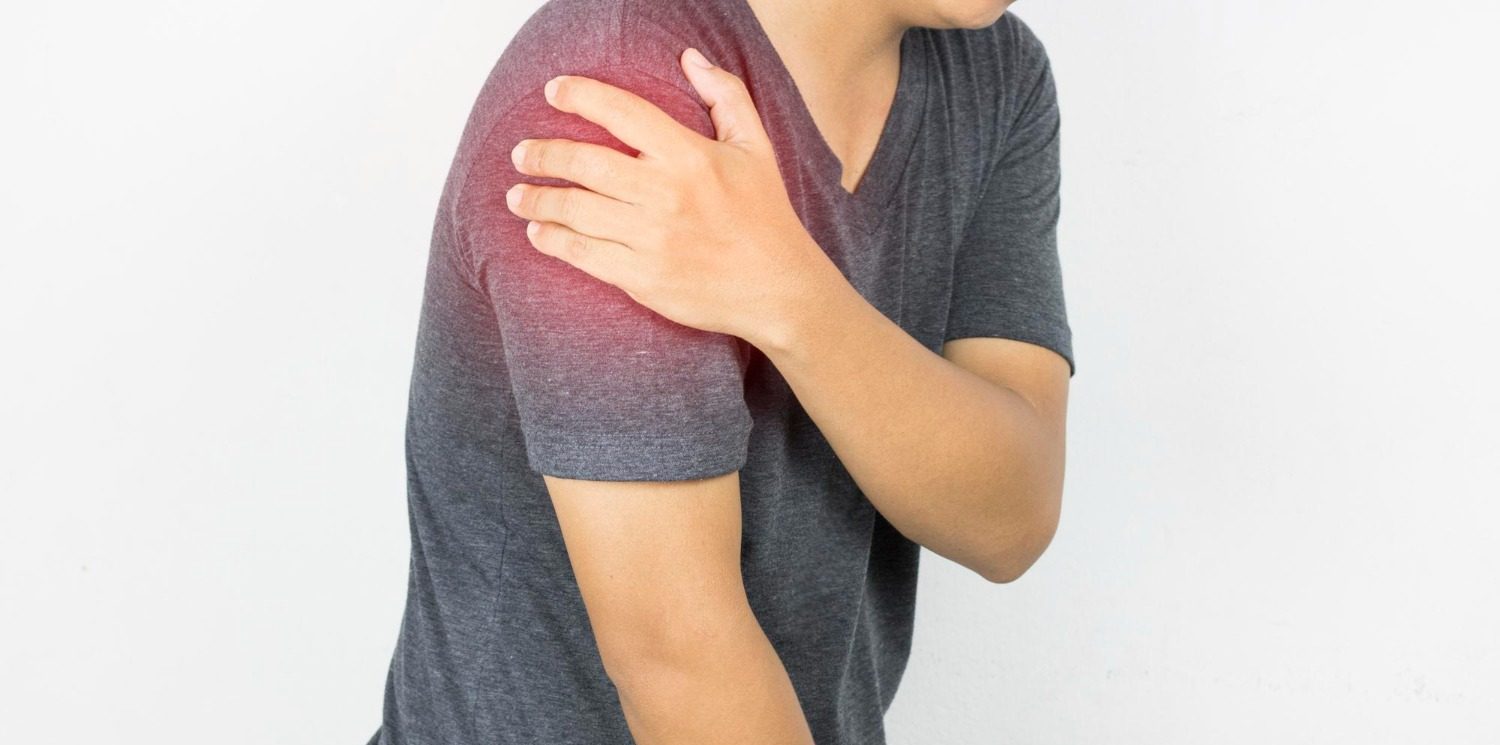
Biceps Tendinitis
Treatment by Dr. Senthilvelan – Shoulder, Elbow & Wrist Specialist
Overview
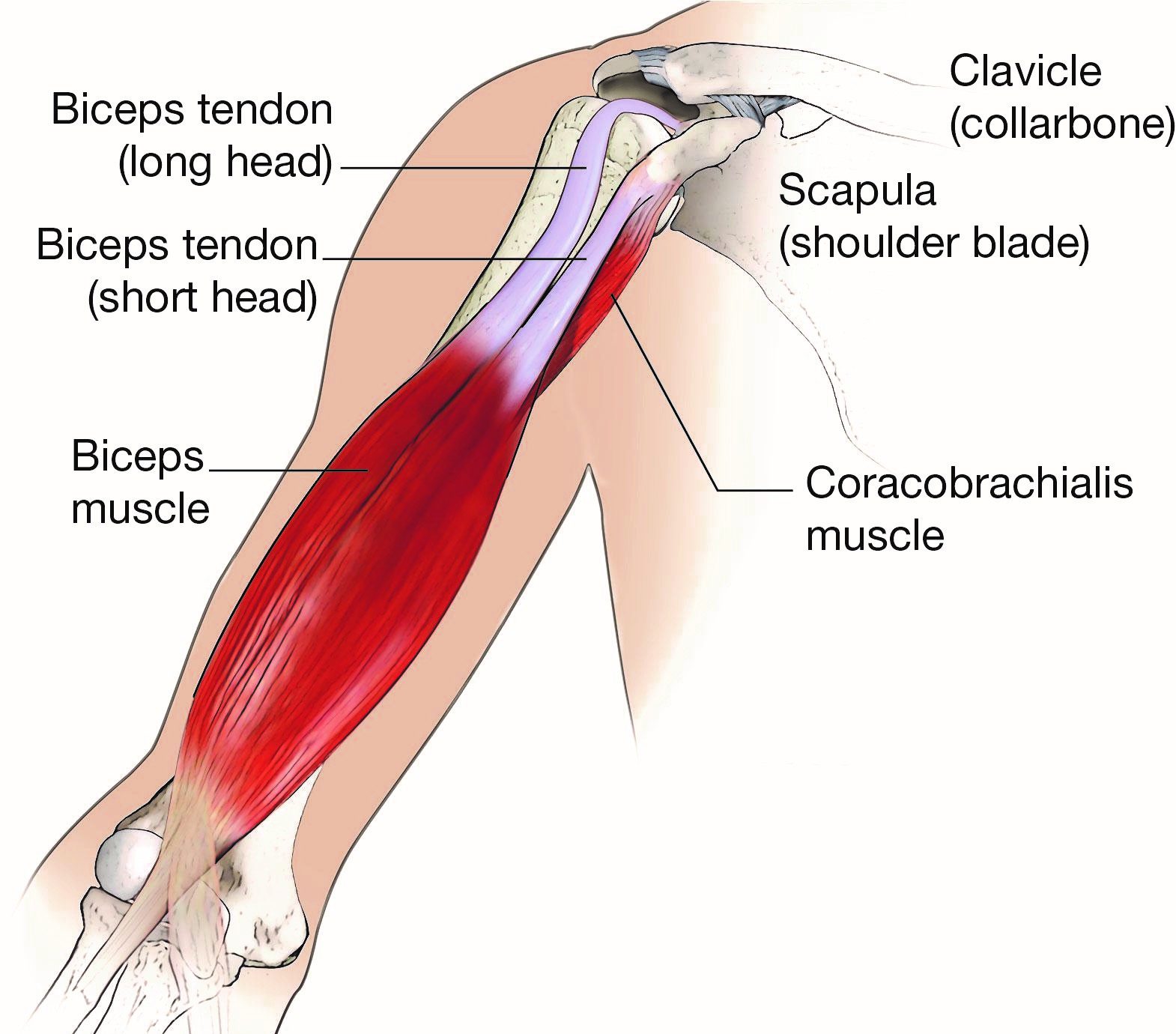
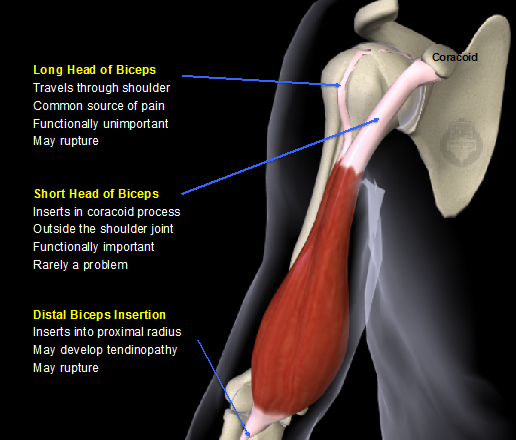
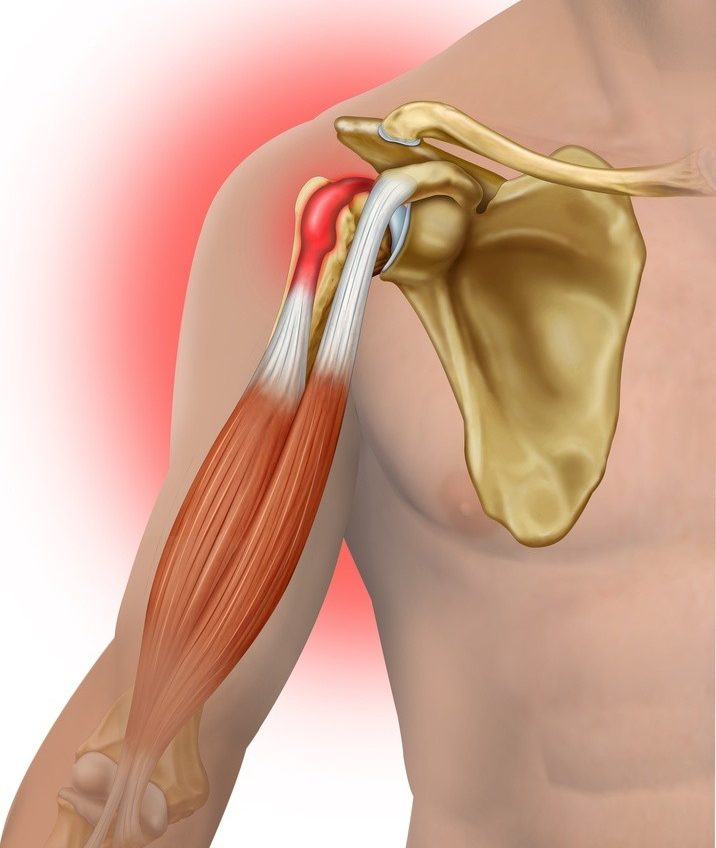
Biceps tendinitis is an inflammation or irritation of the upper portion of the biceps tendon, also called the long head of the biceps tendon. The biceps tendon is a strong, cord-like structure that connects the biceps muscle to the shoulder socket.
Common symptoms of biceps tendinitis include pain in the front of the shoulder and weakness with movement of the shoulder. This condition can often be relieved with rest and medication. In more severe or persistent cases, surgery may be required.
Shoulder Anatomy
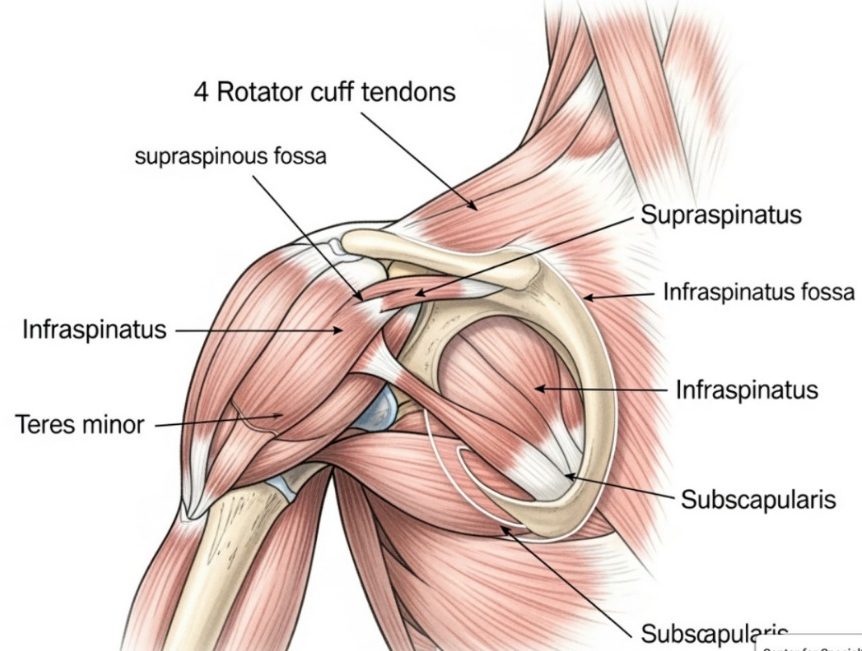
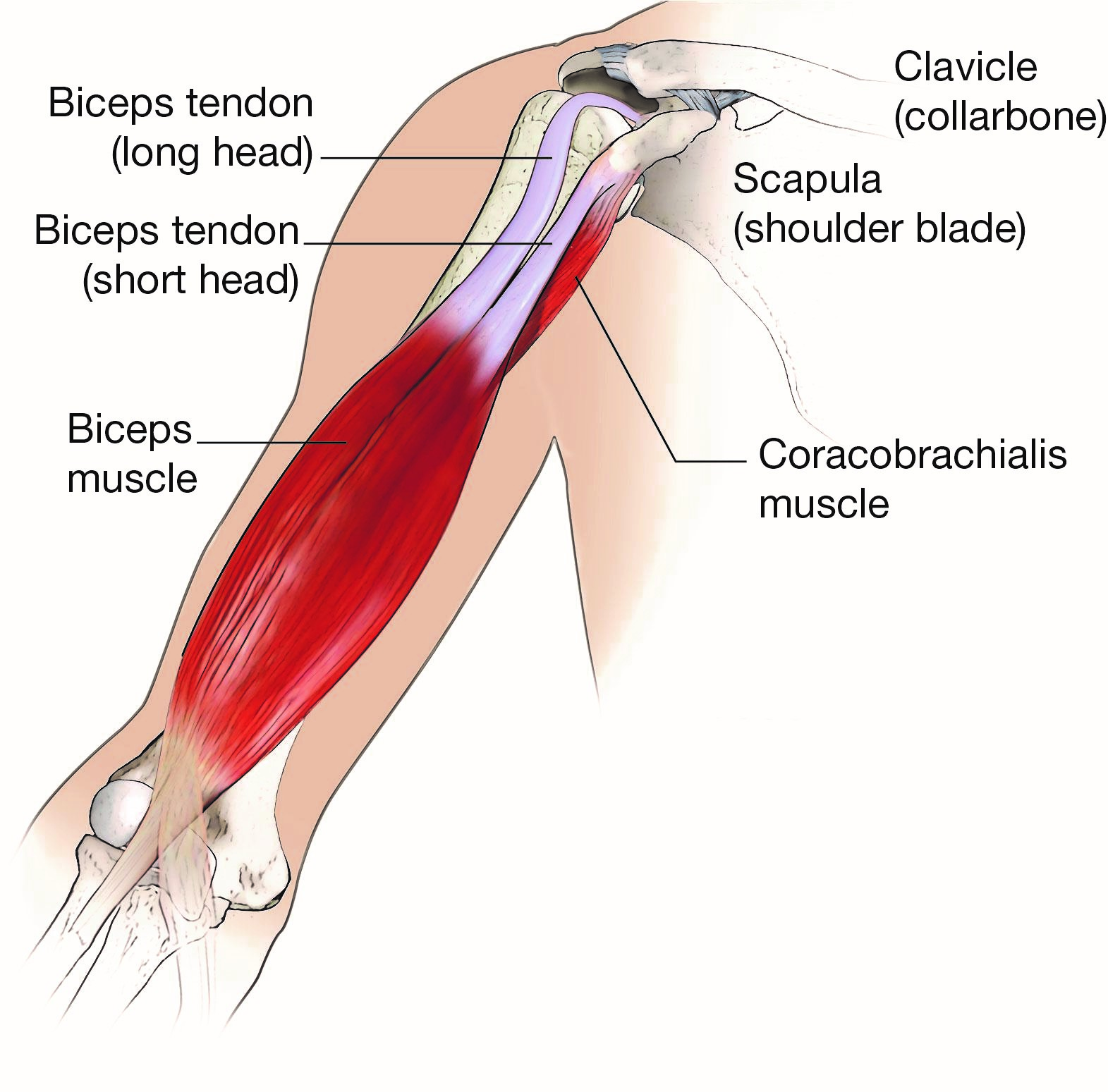
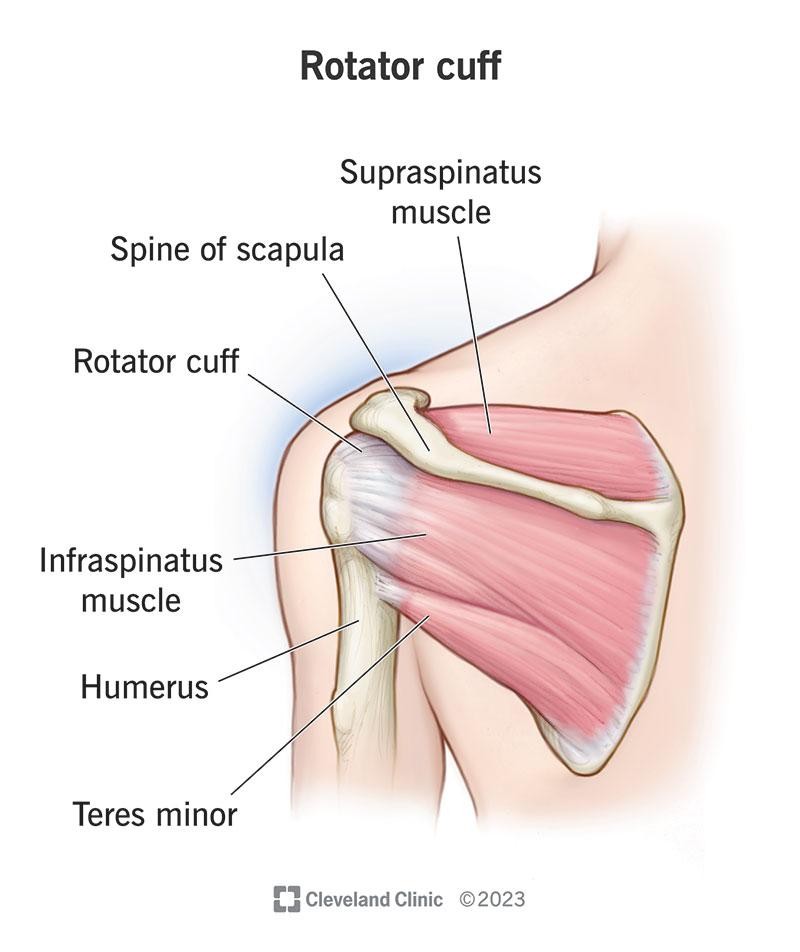
The shoulder is a ball-and-socket joint made up of three bones:
- The humerus (upper arm bone)
- The scapula (shoulder blade)
- The clavicle (collarbone)
Glenoid
The head of the humerus fits into the rounded socket in the scapula. This socket is called the glenoid and is lined with soft cartilage.
Rotator Cuff
A group of muscles and tendons keeps the arm centered in the shoulder socket. These tissues, called the rotator cuff, attach the upper arm bone to the shoulder blade.
Biceps Tendons
The biceps muscle lies in the front of the upper arm and has two tendons that attach it to the shoulder:
- Long head of the biceps: attaches to the top of the glenoid
- Short head of the biceps: attaches to the coracoid process on the front of the shoulder blade
Description
Biceps tendinitis is inflammation of the long head of the biceps tendon.
- In early stages, the tendon becomes inflamed and swollen.
- As inflammation progresses, the tendon thickens and becomes more irritated.
- In advanced stages, the tendon may fray or tear.
A complete tear may result in a cosmetic deformity known as a “Popeye” bulge in the upper arm.
Biceps tendinitis often occurs along with other shoulder problems, including:
- Rotator cuff degeneration or tears
- Shoulder arthritis
- Labral tears
- Chronic shoulder instability
- Inflammatory joint conditions
Causes
In most cases, damage to the biceps tendon occurs due to long-term wear and tear.
Common Causes
- Age-related tendon degeneration
- Repetitive overhead activity
- Occupational overuse
- Sports requiring overhead motion
High-Risk Activities
- Swimming
- Volleyball
- Tennis
- Pickleball
- Baseball
Repetitive lifting jobs
Symptoms
Common symptoms include:
- Pain or tenderness in the front of the shoulder
- Pain worsening with overhead activity
- Pain when reaching backward (e.g., seatbelt or coat)
- Aching that radiates down the upper arm
- Snapping or clicking sensation in the shoulder
Evaluation by Dr. Senthilvelan
Clinical Examination
Dr. Senthilvelan performs a detailed shoulder assessment, including:
- Range of motion testing
- Strength evaluation
- Instability assessment
- Palpation over the biceps tendon
- Special tests for biceps function
Tenderness or swelling over the tendon strongly suggests biceps tendinitis.
Imaging Investigations
X-rays
- Used to detect associated shoulder problems
- Do not show the tendon directly
MRI or Ultrasound
Used to assess soft tissues, including:
- Degree of tendon inflammation
- Tendon irritation
- Partial or complete tears
Non-Surgical Treatment
Biceps tendinitis is usually treated successfully without surgery.
Treatment Options
- Rest and activity modification
- Ice application (20 minutes, several times daily)
- Anti-inflammatory medications (NSAIDs)
- Corticosteroid injections (often image-guided)
- Physiotherapy to restore strength and motion
Surgical Treatment
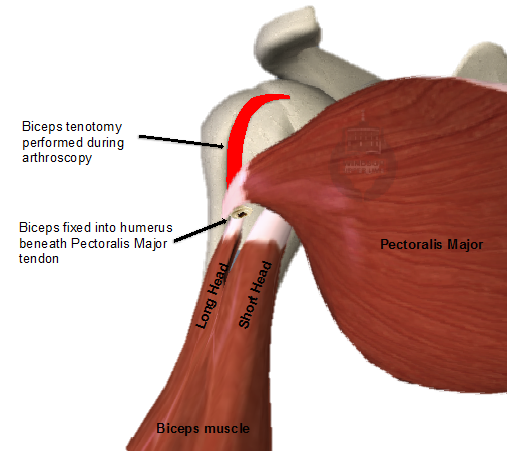
Surgery may be recommended if:
- Symptoms persist despite conservative treatment
- Pain returns after initial improvement
- Associated shoulder injuries are present
Most procedures are performed arthroscopically using keyhole techniques.
Surgical Options
1. Biceps Tendon Repair
- Rarely performed
- Tendon repaired at its attachment to the socket
- Typically for young, high-demand patients
2. Biceps Tenodesis
- Damaged portion of tendon removed
- Remaining tendon reattached to the humerus
- Restores function and relieves pain
- Performed arthroscopically or through a small incision
3. Biceps Tenotomy
- Tendon released from its attachment
- Simplest and least invasive option
- May result in a “Popeye” bulge
- Shortest recovery time
Recovery and Rehabilitation
After surgery:
- Sling may be worn for several weeks
- Activities are restricted to allow healing
- Therapeutic exercises begin after a few weeks
Rehabilitation Stages
- Flexibility exercises
- Range of motion recovery
- Gradual strengthening program
Physical therapy may be prescribed depending on the procedure.
Surgical Outcomes
Most patients:
- Regain full range of motion
- Experience significant pain relief
- Return to normal daily activities
High-level overhead athletes may need to modify their activity after surgery.
Possible Surgical Complications
Complications are uncommon but may include:
- Infection
- Shoulder stiffness
- Tendon rupture after tenodesis
- Pain at reattachment site
- Muscle cramping after tenotomy
Patient FAQs – Biceps Tendinitis
What causes biceps tendinitis?
Biceps tendinitis usually develops due to long-term wear and tear, repetitive overhead activity, or associated shoulder problems. I evaluate the underlying cause during consultation.
How do you confirm the diagnosis?
I begin with a detailed clinical examination. If needed, I recommend an ultrasound or MRI to assess the tendon and surrounding structures.