Frozen Shoulder
Treatment by Dr. Senthilvelan – Shoulder, Elbow & Wrist Specialist
Overview
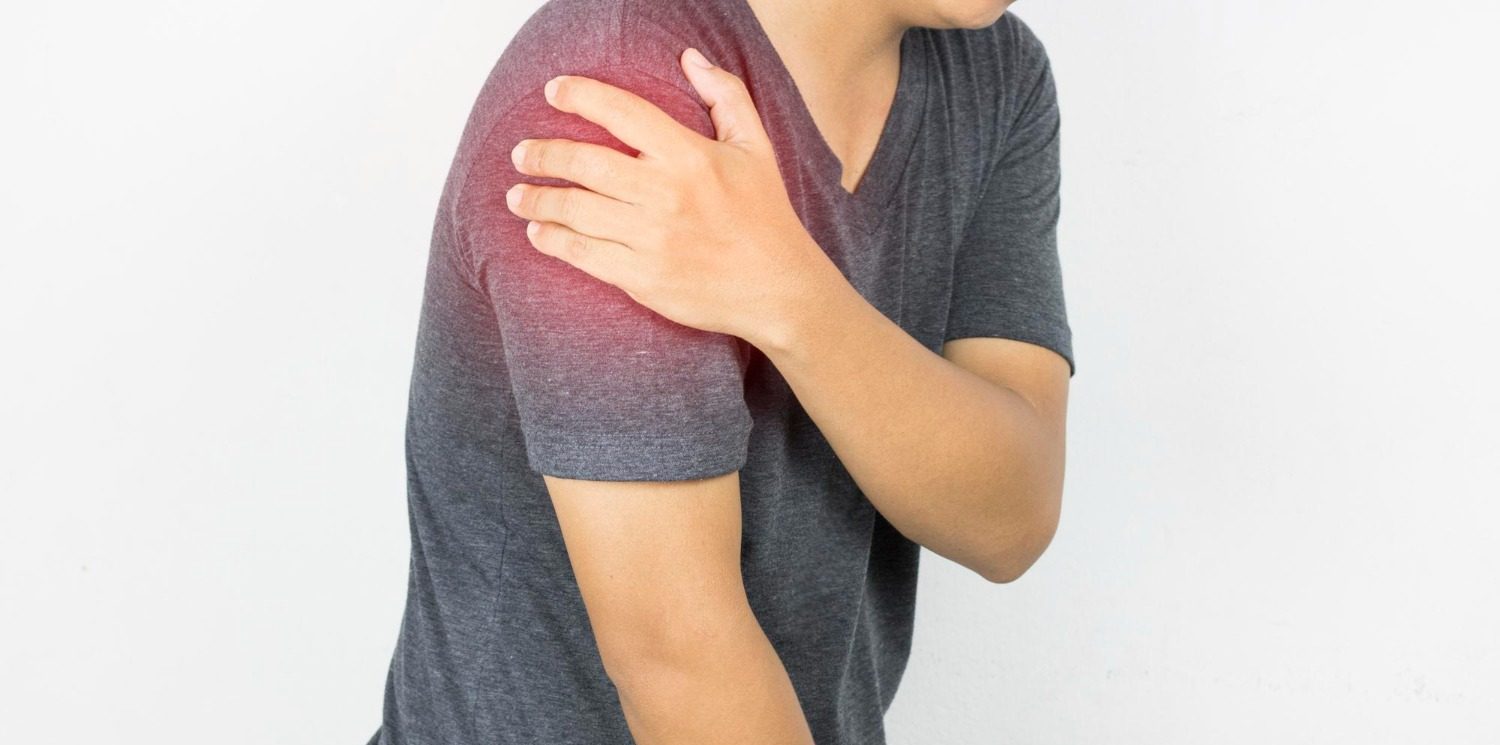
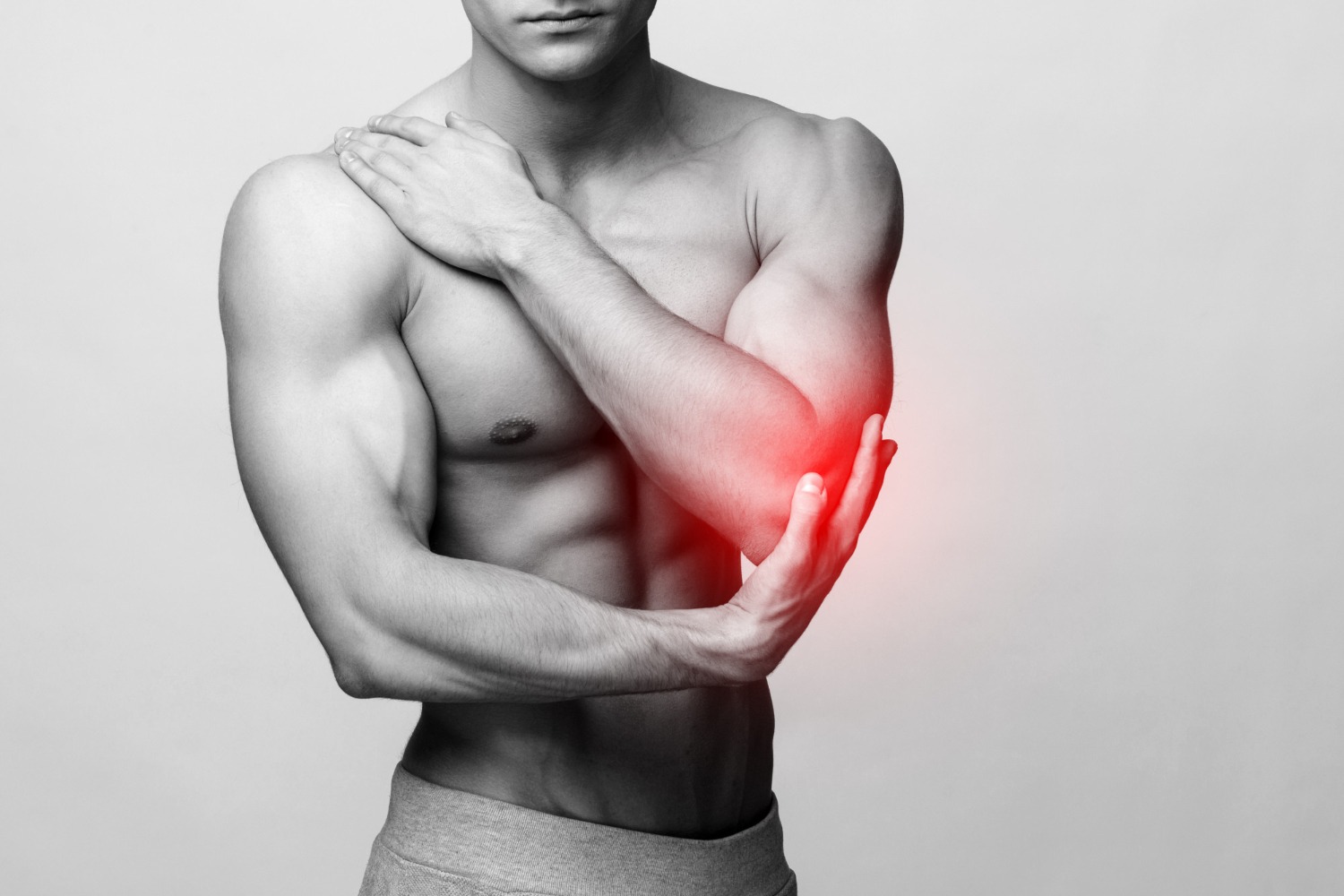
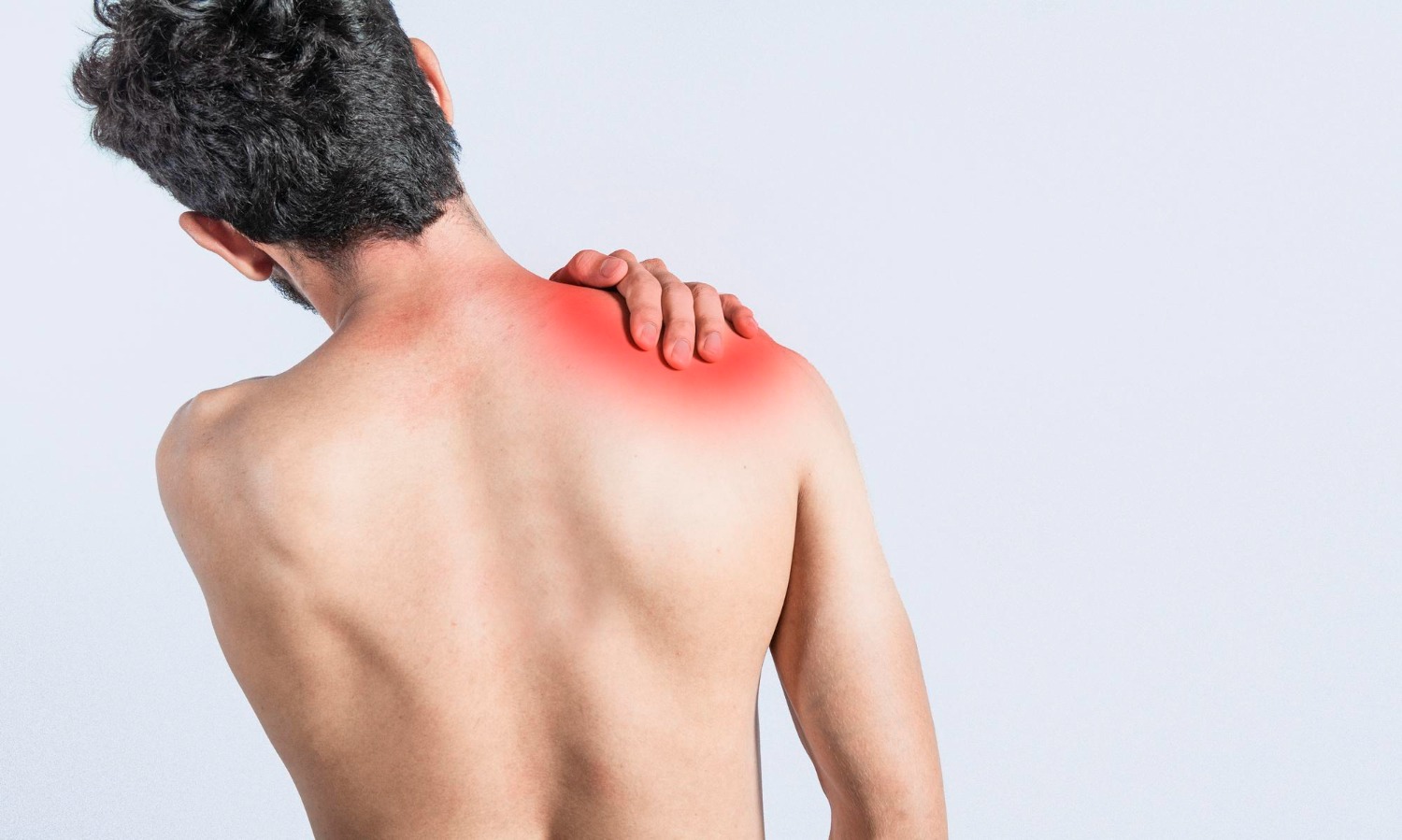
Frozen shoulder, also called adhesive capsulitis, causes pain and stiffness in the shoulder. Over time, the shoulder becomes very difficult to move.
After a period of worsening symptoms, frozen shoulder usually improves gradually, although full recovery may take up to 2–3 years. The main focus of treatment is restoring shoulder motion and reducing pain through physiotherapy.
Frozen shoulder most commonly affects:
- People between 40 and 60 years of age
- Women more than men
- Patients with diabetes or thyroid disorders
However, it can occur in anyone and may develop after injury, surgery, or prolonged immobilization.
Shoulder Anatomy
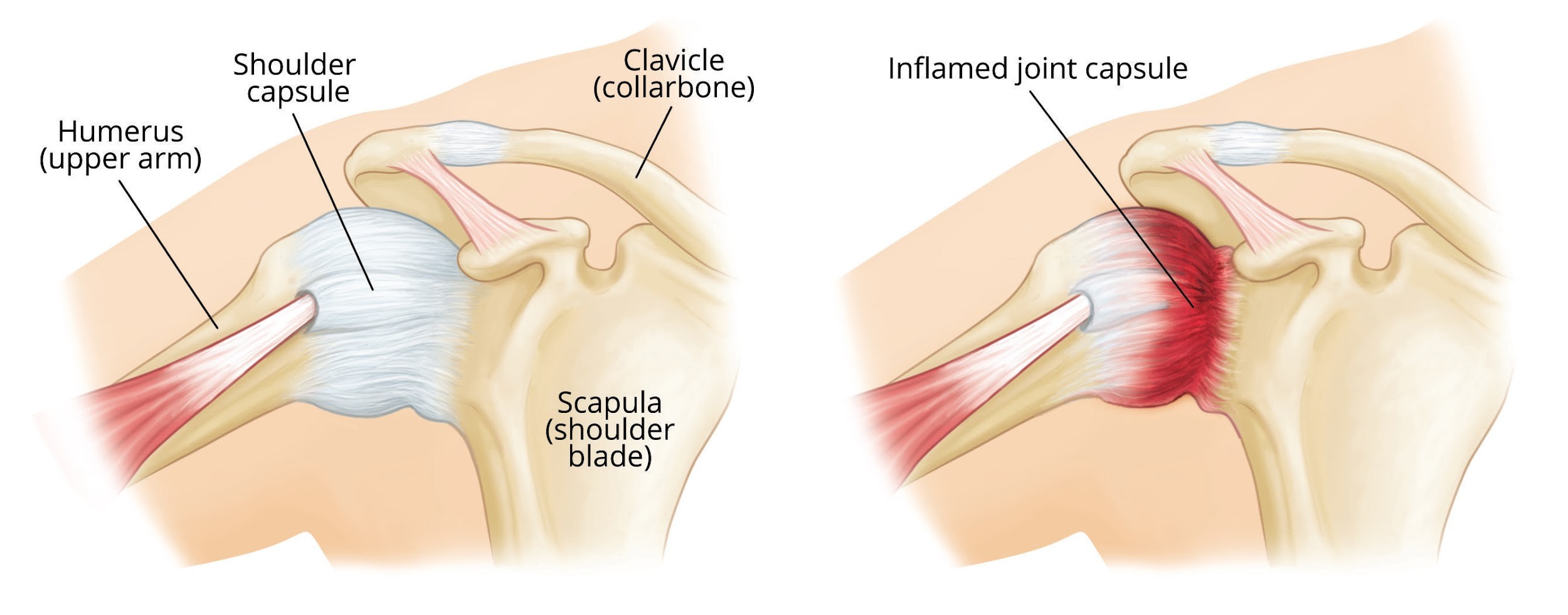
The shoulder is a ball-and-socket joint formed by:
- Humerus (upper arm bone)
- Scapula (shoulder blade)
- Clavicle (collarbone)
The head of the humerus fits into a shallow socket in the scapula. The joint is surrounded by a capsule, a strong connective tissue structure that stabilizes the shoulder.
Synovial fluid inside the capsule lubricates the joint and allows smooth movement.
What Happens in Frozen Shoulder
In frozen shoulder:
- The joint capsule thickens and tightens
- Adhesions (scar-like tissue bands) develop
- Synovial fluid decreases
This results in:
- Severe pain
- Marked stiffness
- Loss of both active and passive movement
Stages of Frozen Shoulder
Stage 1: Freezing Stage
- Increasing shoulder pain
- Gradual loss of motion
- Duration: 6 weeks to 9 months
Stage 2: Frozen Stage
- Pain may reduce
- Severe stiffness remains
- Daily activities become difficult
- Duration: 4 to 6 months
Stage 3: Thawing Stage
- Gradual improvement in motion
- Strength slowly returns
- Duration: 6 months to 2 years
Causes and Risk Factors
The exact cause of frozen shoulder is not fully understood, but certain factors increase the risk.
Medical Conditions
- Diabetes
- Hypothyroidism
- Hyperthyroidism
- Parkinson’s disease
- Heart disease
Diabetic patients often experience:
- More severe stiffness
- Longer recovery periods
Immobilization
Frozen shoulder may develop after:
- Shoulder surgery
- Fracture
- Prolonged sling use
- Lack of shoulder movement
Symptoms
Typical symptoms include:
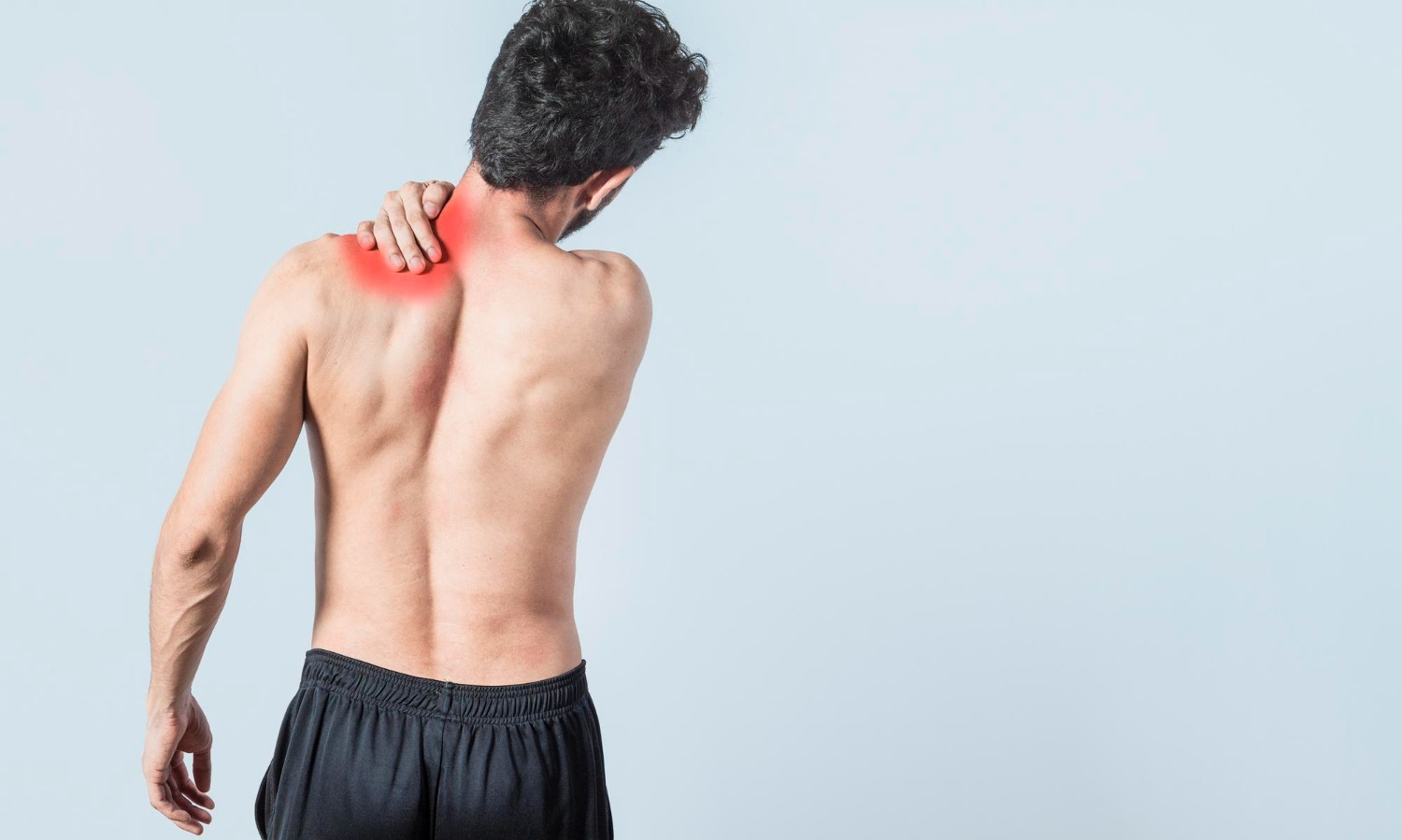
- Dull or aching shoulder pain
- Pain worsening with movement
- Pain over the outer shoulder
- Stiffness
- Difficulty with daily activities
- Limited range of motion
Evaluation by Dr. Senthilvelan
Clinical Examination
- Muscle strength testing
- Range of motion evaluation
- Joint tenderness
- Crepitus during movement Assessment of surrounding tendons and ligaments
- Examination of other joints (if rheumatoid arthritis suspected)
Imaging Investigations
X-rays
- Used to rule out arthritis or fractures
MRI or Ultrasound
- Not required for diagnosis
- Used to detect associated rotator cuff tears or soft tissue injuries
Dr. Senthilvelan’s Treatment for Frozen Shoulder
Treatment focuses on:
- Pain control
- Restoring shoulder motion
- Improving strength
Most patients improve without surgery.
Non-Surgical Treatment
Treatment Approach
Dr. Senthilvelan creates an individualized plan that may include:
Medications
- Anti-inflammatory drugs (NSAIDs)
- Pain control medications
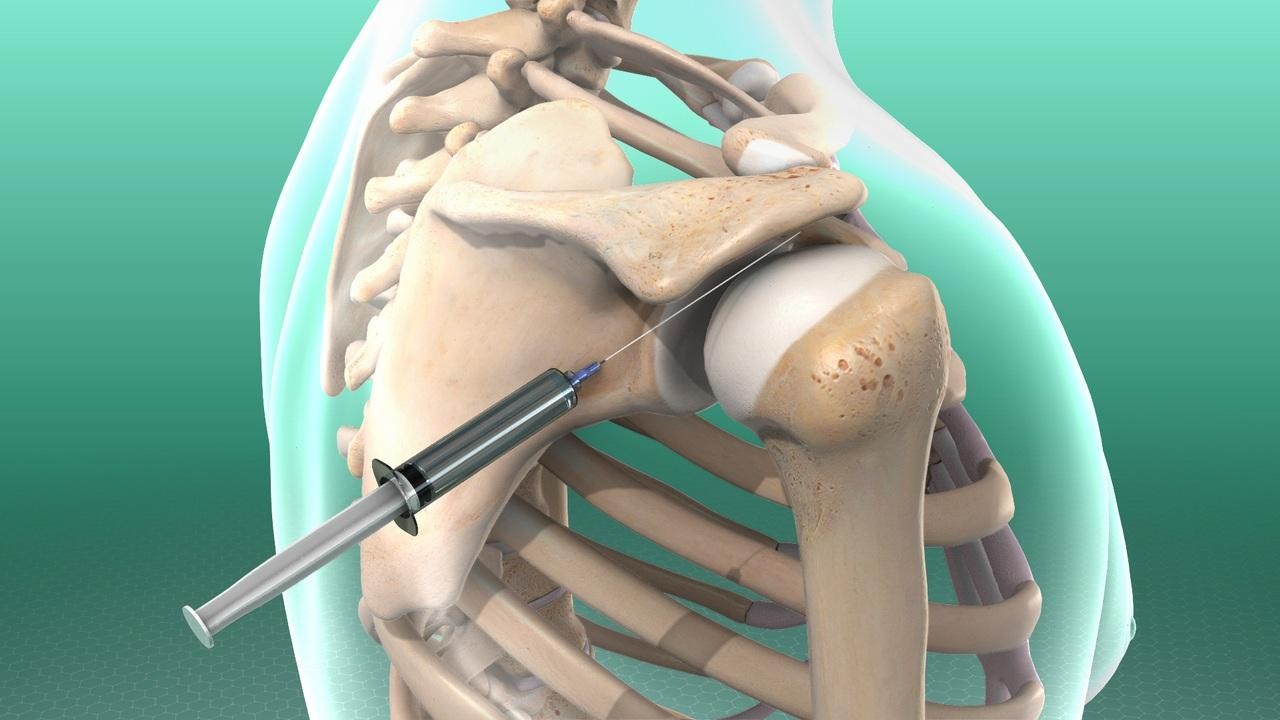
Steroid Injections
- Cortisone injected into the joint
- Reduces inflammation and pain
- Helps improve motion
Hydrodilatation
- Injection of fluid into the joint
- Stretches the capsule
- Improves mobility
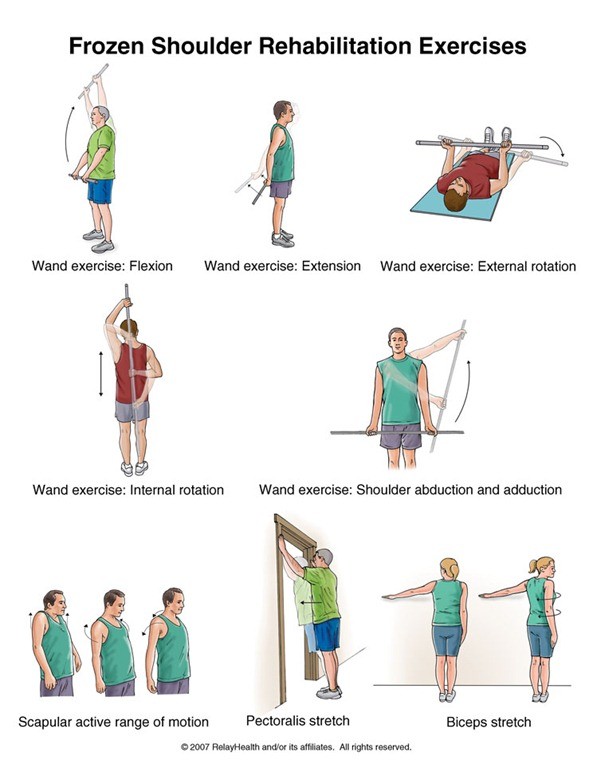
Physiotherapy
The most important part of treatment.
Includes:
- Stretching exercises
- Range-of-motion training
- Heat therapy before stretching
- Home exercise program
Surgical Treatment
Surgery is considered when:
- Symptoms persist despite proper therapy
- Shoulder remains severely stiff
- Daily function is significantly affected
Dr. Senthilvelan personally performs these procedures and supervises the rehabilitation process.
Manipulation Under Anesthesia (MUA)
- Patient is put under anesthesia
- Shoulder gently moved to stretch the capsule
- Improves range of motion
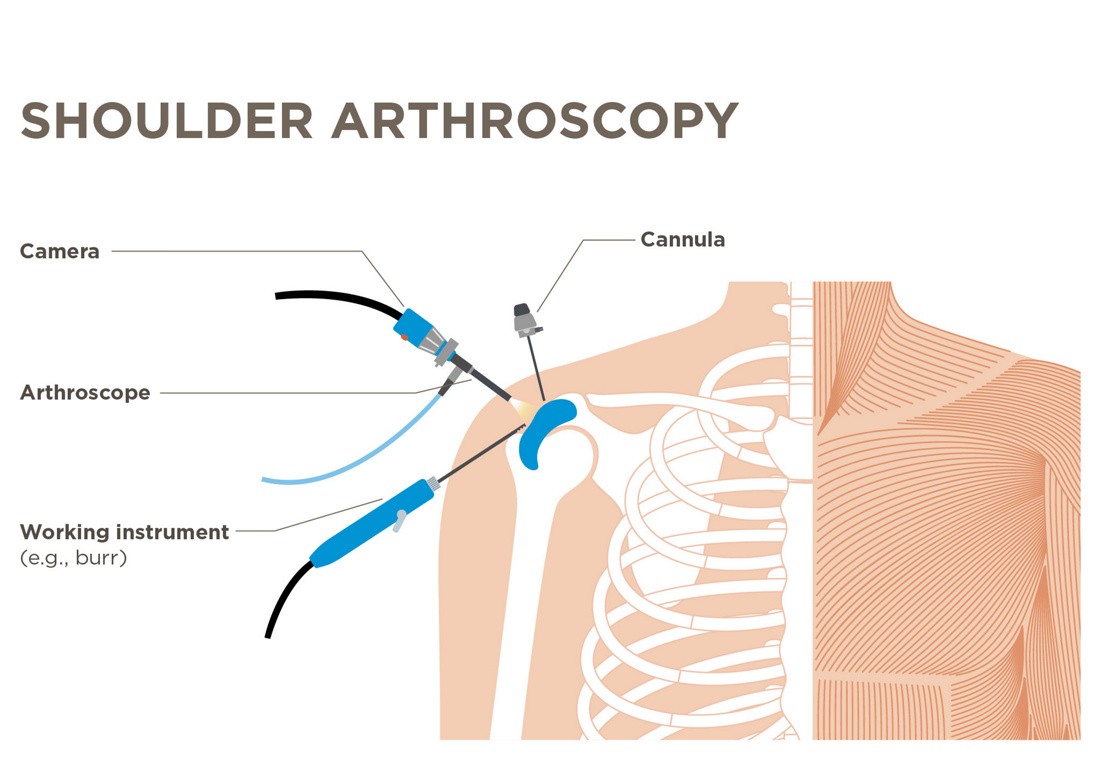
Arthroscopic Capsular Release
- Minimally invasive keyhole surgery
- Tight capsule is released using arthroscopic instruments
- Restores shoulder mobility
Often, MUA and arthroscopy are combined for best results.
Rehabilitation After Surgery
- Immediate physiotherapy
- Range-of-motion exercises
- Gradual strengthening program
Recovery typically takes:
- 6 weeks to 3 months after surgery
Commitment to physiotherapy is essential for good results.
Expected Outcome
Most patients:
- Experience significant pain relief
- Regain useful shoulder movement
- Return to normal daily activities
Diabetic patients may retain mild stiffness.
Possible Complications
Although uncommon:
- Persistent stiffness
- Recurrence of frozen shoulder
- Pain during rehabilitation
Patient FAQs – Frozen Shoulder
What is frozen shoulder?
Frozen shoulder is a condition where the shoulder capsule becomes thick and tight, causing pain and severe stiffness.
Why does frozen shoulder occur?
It may occur without a clear reason, but it is more common in people with diabetes, thyroid disorders, or after shoulder immobilization.
How long does frozen shoulder last?
The condition usually progresses through three stages and may take 1–3 years to resolve completely.
Is frozen shoulder permanent?
No. Most patients eventually recover good shoulder movement with proper treatment.
Can frozen shoulder be treated without surgery?
Yes. Most patients improve with physiotherapy, medications, and injections
When do you recommend surgery?
Surgery is recommended only if stiffness persists despite proper non-surgical treatment.
What surgery is done for frozen shoulder?
The most common procedure is arthroscopic capsular release, sometimes combined with manipulation under anesthesia.
Will you perform the surgery yourself?
Yes. I personally perform the procedure and supervise the entire treatment and rehabilitation process.
How long is recovery after surgery?
Most patients regain useful motion within 6–12 weeks, with continued improvement over several months.
Can frozen shoulder come back?
Recurrence is uncommon but may occur, especially in diabetic patients.