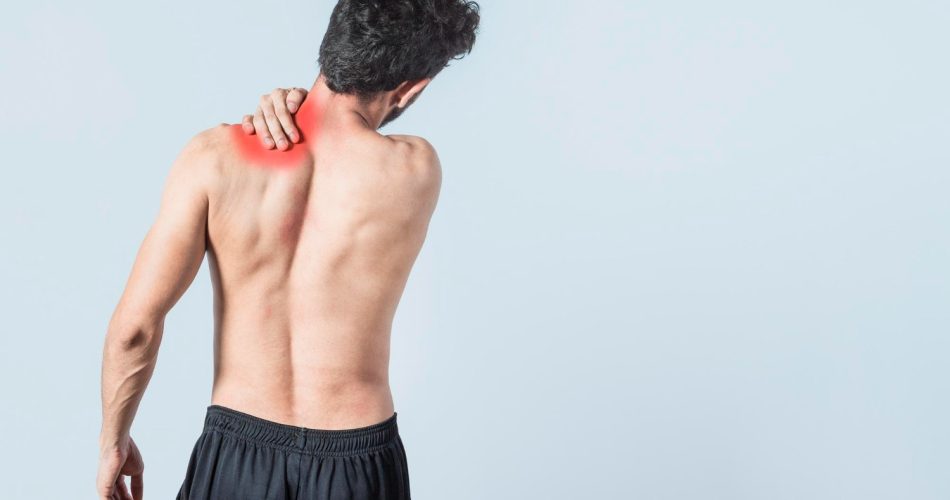
Specialist Shoulder Elbow Wrist Surgeon

Indian Ortho Surgeon

Dr.Senthilvelan Rajagopalan

Consultant Shoulder Elbow Wrist Surgeon,

Call For Appointments :

Shoulder Arthritis

Shoulder Arthritis

Shoulder Arthritis

Treatment by Dr. Senthilvelan – Shoulder, Elbow & Wrist Specialist

Overview
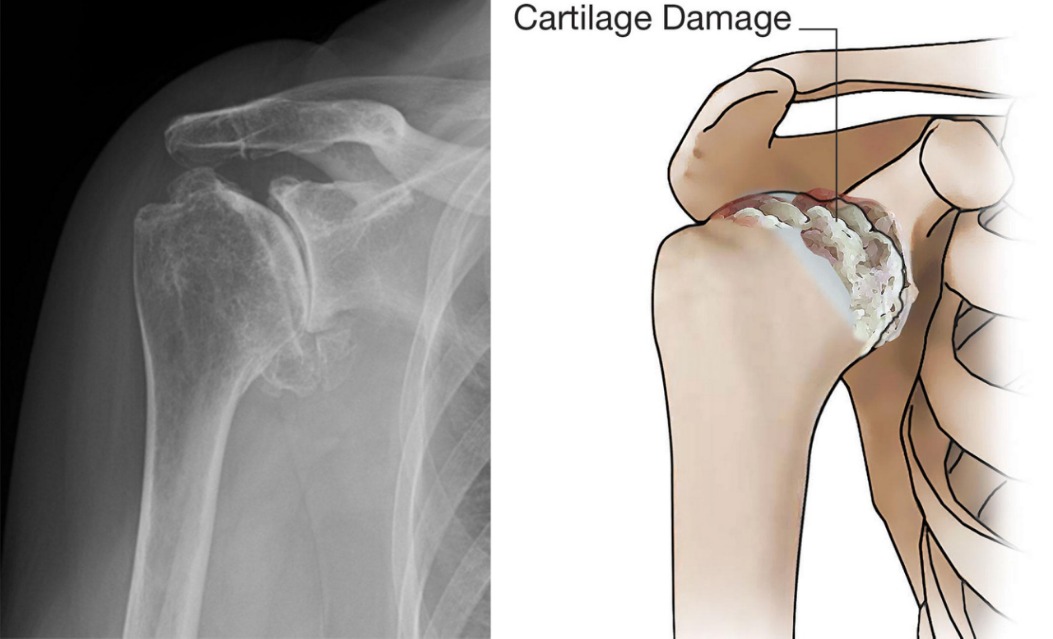
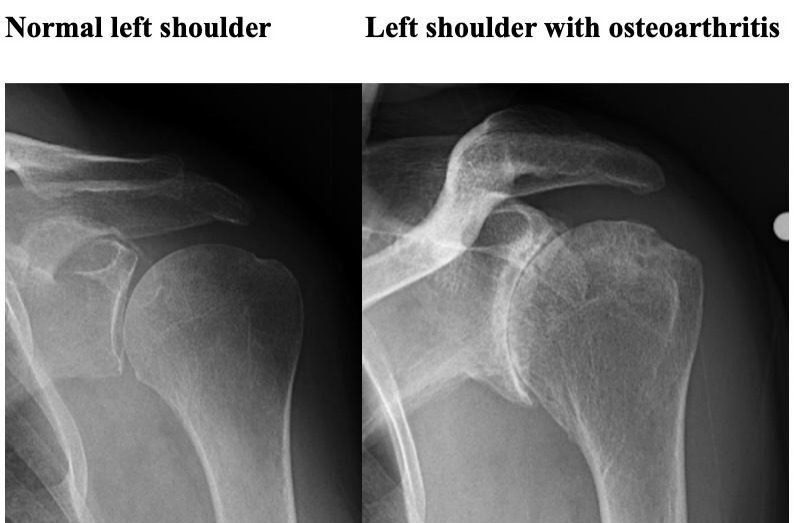
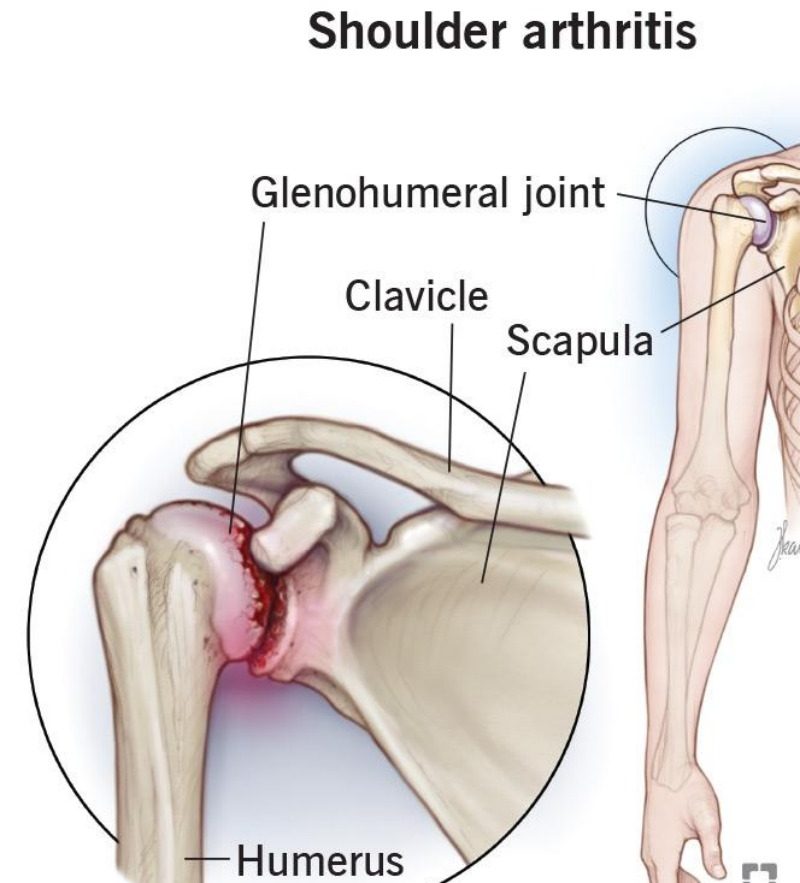
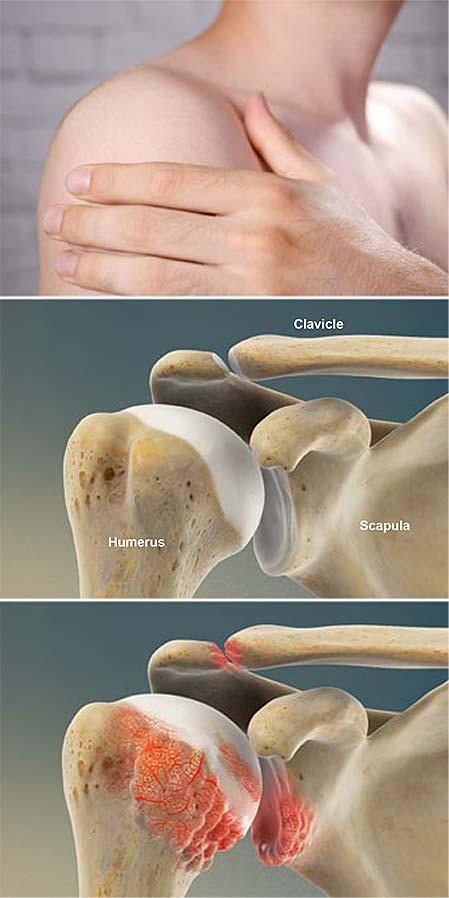
Shoulder arthritis is a condition in which the smooth cartilage lining the shoulder joint gradually wears away. Cartilage normally allows the joint surfaces to glide smoothly during movement. When it becomes damaged, the bones begin to rub against each other, leading to pain, stiffness, and loss of motion.
 
Patients with shoulder arthritis often find it difficult to perform daily activities such as lifting the arm, combing hair, reaching overhead, or dressing.
 
Although damaged cartilage cannot regrow naturally, modern treatment methods — including advanced arthroscopic procedures and shoulder replacement — can effectively relieve pain and restore function.

Shoulder Anatomy

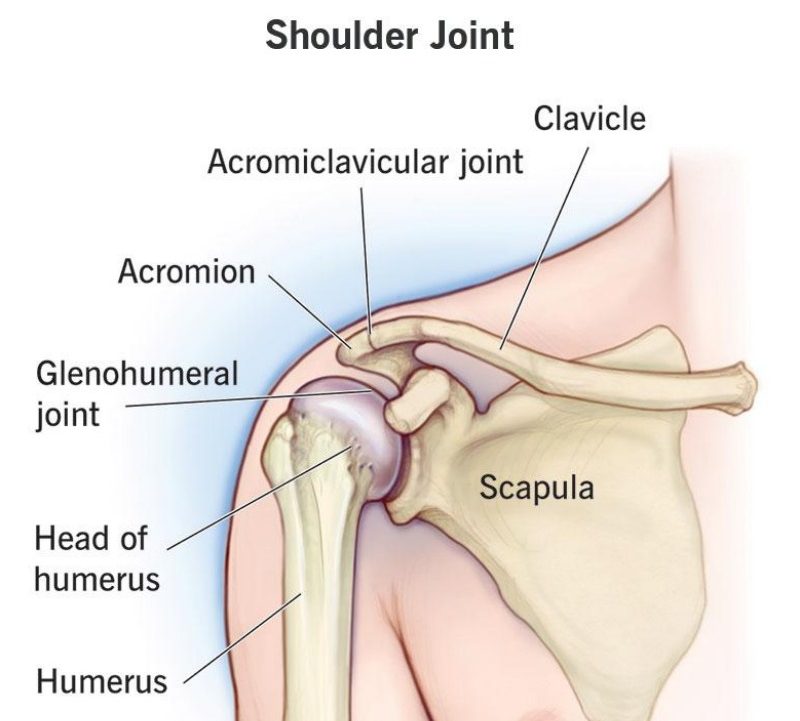
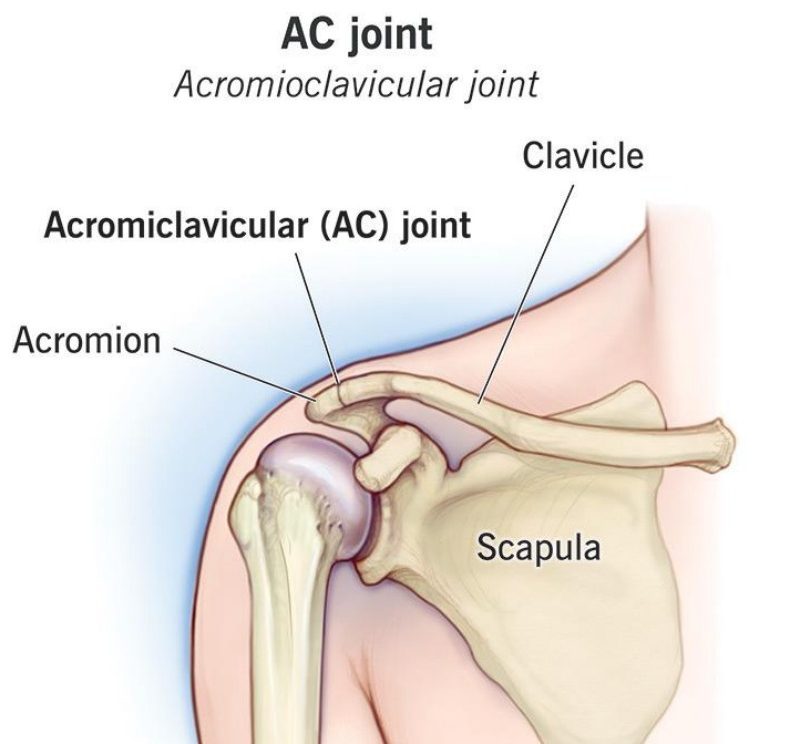
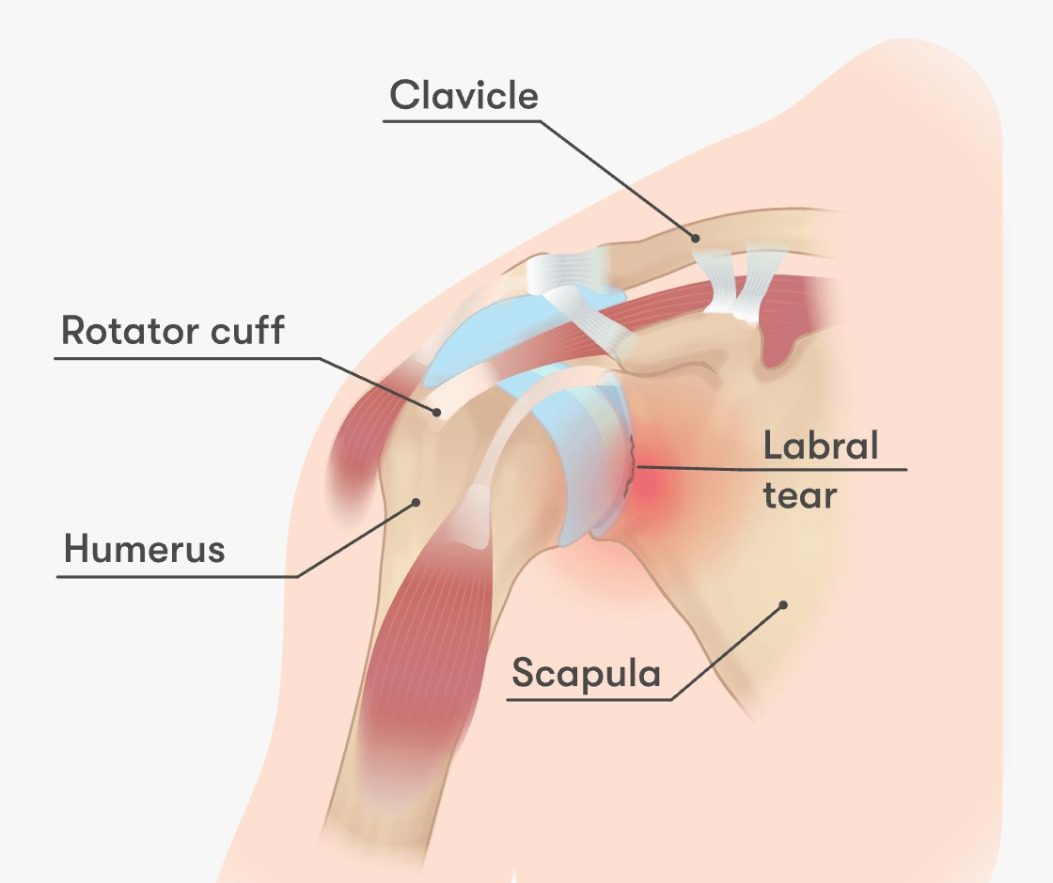
The shoulder is a ball-and-socket joint made up of three bones:
Humerus (upper arm bone)
Scapula (shoulder blade)
Clavicle (collarbone)
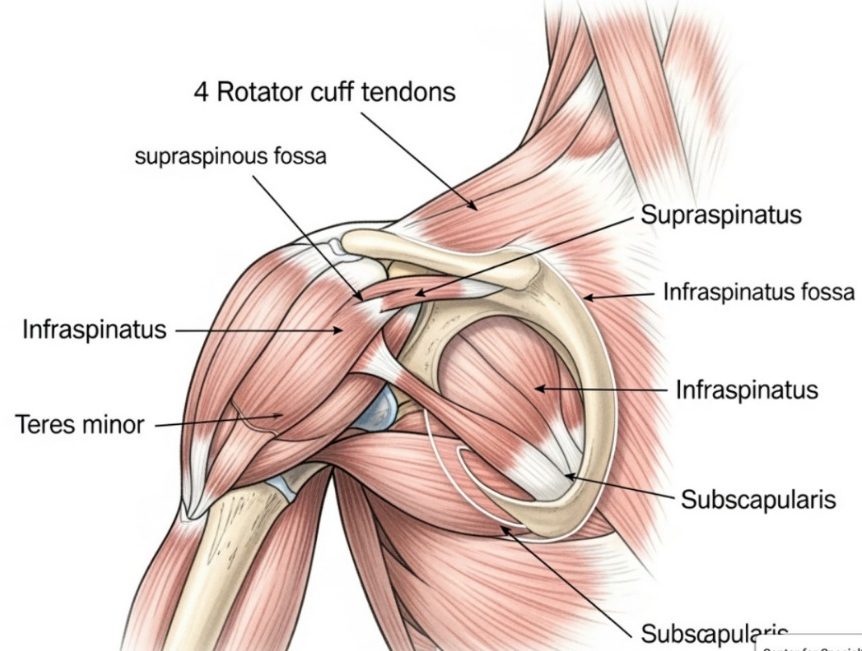
The rounded head of the humerus fits into a shallow socket in the scapula called the glenoid. This joint is stabilized by muscles and tendons collectively known as the rotator cuff.
 
There are two main joints in the shoulder:
 
Glenohumeral joint
Main ball-and-socket joint  Responsible for most shoulder movement
 
Acromioclavicular (AC) joint
Located at the top of the shoulder Where the collarbone meets the shoulder blade Arthritis can affect either or both of these joints.

Types of Shoulder Arthritis

  1. Osteoarthritis Also called “wear-and-tear” arthritis Caused by gradual cartilage degeneration More common after age 50 Often affects the AC joint, but glenohumeral arthritis causes more symptoms

  2. Rheumatoid Arthritis Autoimmune condition Body’s immune system attacks joint lining Usually affects both shoulders symmetrically Causes pain, swelling, and stiffness

  3. Post-Traumatic Arthritis Develops after shoulder injuries Common after fractures or dislocations Can affect either shoulder joint

  4. Rotator Cuff Tear Arthropathy Occurs after long-standing large rotator cuff tears The humeral head moves upward due to lack of tendon support Leads to severe arthritis and weakness

  5. Avascular Necrosis (AVN) Caused by loss of blood supply to the humeral head Bone gradually collapses Leads to arthritis

    Common causes of AVN: High-dose steroid use Excessive alcohol consumption Sickle cell disease Trauma Unknown causes (idiopathic)

Causes and Risk Factors

  • Age-related degeneration
  • Previous shoulder injuries
  • Autoimmune diseases
  • Rotator cuff tears
  • Steroid use
  • Alcohol abuse
  • Metabolic conditions

Symptoms of Shoulder Arthritis
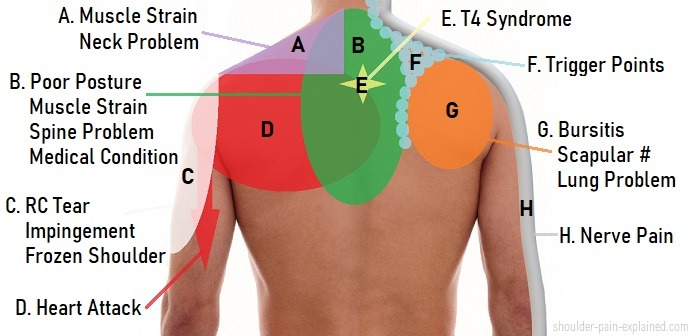
The most common symptom is pain, which gradually worsens over time.
Pain Location
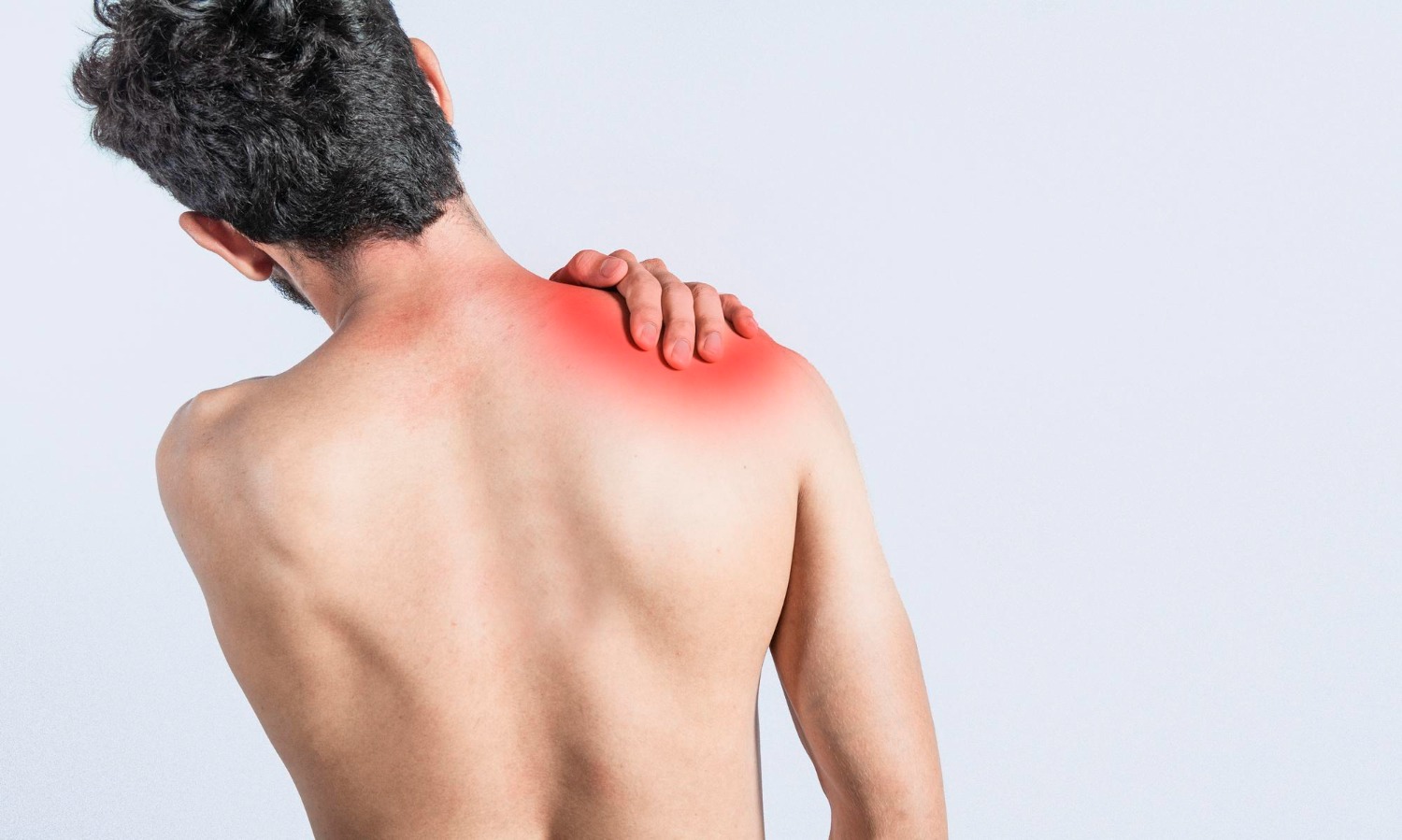
Glenohumeral arthritis: deep ache in the side or back of shoulder.
AC joint arthritis: pain at the top of the shoulder Other Symptoms Stiffness, Difficulty lifting the arm, Grinding or clicking sensation (crepitus), Night pain, Reduced range of motion.
 

Evaluation by Dr. Senthilvelan

Clinical Examination
Dr. Senthilvelan performs a detailed assessment including:
  • Muscle strength testing
  • Range of motion evaluation
  • Joint tenderness
  • Crepitus during movement Assessment of surrounding tendons and ligaments
  • Examination of other joints (if rheumatoid arthritis suspected)

Imaging Investigations

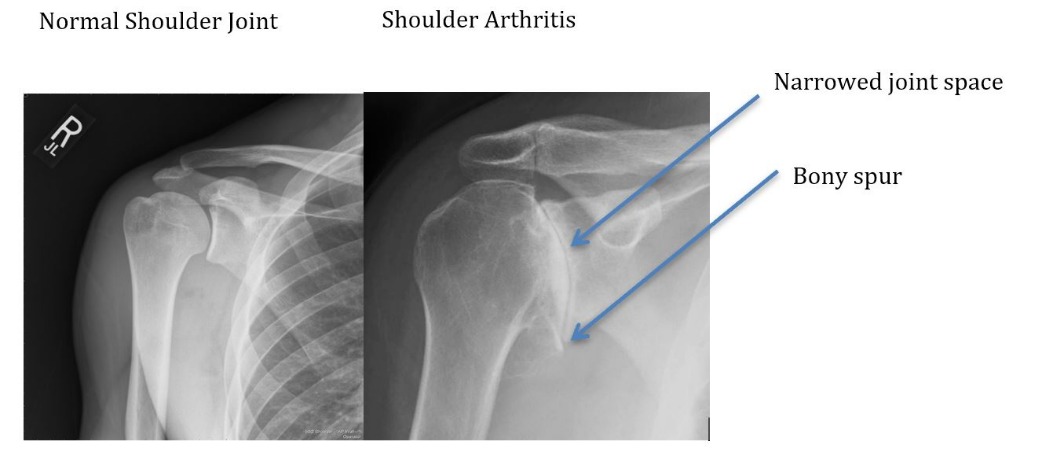
  • X-rays
  • Joint space narrowing
  • Bone spurs
  • Joint deformity
  • CT Scan Used for surgical planning
  • Diagnostic Injection
  • Local anesthetic injected into the joint
  • If pain improves, arthritis is confirmed as the source

Non-Surgical Treatment

  • Initial treatment is usually conservative.
  • Treatment Options
  • Activity modification
  • Physiotherapy to improve mobility and strength
  • Anti-inflammatory medications
  • Corticosteroid injections
  • Heat or ice therapy
  • In rheumatoid arthritis, disease-modifying medications may be prescribed in coordination with a rheumatologist.

Surgical Treatment
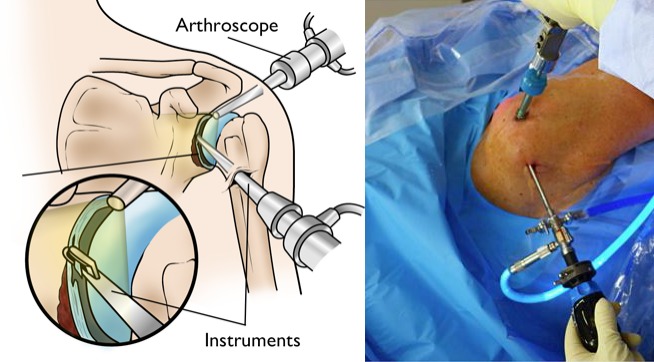
Surgery is considered when pain persists despite proper non-surgical treatment and begins to affect daily life. Dr. Senthilvelan personally evaluates each patient and selects the most appropriate surgical option.
 

1) Arthroscopic Debridement (Early Arthritis)

Minimally invasive keyhole surgery

Removal of loose cartilage

Cleaning inflamed tissue

Smoothing bone spurs

Best for: Early or mild arthritis Younger patients

Note: Relief may be temporary in advanced arthritis.

2) Shoulder Replacement Surgery (Advanced Arthritis)

In shoulder replacement, the damaged joint surfaces are replaced with artificial components.

a) Hemiarthroplasty

Only humeral head replaced Used in selected cases

b) Total Shoulder Replacement

Both ball and socket replaced Best for patients with intact rotator cuff

c) Reverse Shoulder Replacement

Ball and socket positions reversed Relies on deltoid muscle instead of rotator cuff

Ideal for:

Rotator cuff tear arthropathy

Elderly patients with severe arthritis

3) AC Joint Arthritis Surgery (Distal Clavicle Excision)
 
Small portion of collarbone removed
 
Eliminates painful bone contact
 
Performed arthroscopically or open

Recovery After Surgery

Recovery depends on the type of surgery.
 
General Timeline
 
Hospital stay: 1–4 days (replacement)
 
Sling: 3–6 weeks
 
Physiotherapy: structured program
 
Functional recovery: 3–6 months
 
Dr. Senthilvelan personally supervises the rehabilitation process and follow-up care.

Possible Surgical Risks

All surgeries carry some risks, including:
 
  • Infection
  • Bleeding
  • Blood clots
  • Nerve or vessel injury
  • Implant-related complications
 

These risks are minimized through proper surgical technique and postoperative care.

Patient FAQs – Shoulder Arthritis

What causes shoulder arthritis?
Shoulder arthritis develops when the cartilage lining the joint wears away. This can happen due to aging, previous injuries, autoimmune diseases, or long-standing rotator cuff tears. I evaluate each patient to identify the exact cause before recommending treatment.
I begin with a detailed clinical examination. X-rays are usually sufficient to confirm arthritis. In some cases, I may recommend a CT scan or MRI for better assessment.
Yes. Many patients experience good relief with physiotherapy, medications, and injections. I recommend surgery only when pain persists and daily activities become difficult.
Shoulder replacement is recommended when arthritis is advanced and non-surgical treatments no longer provide relief. It is especially useful when pain interferes with sleep or basic daily activities.
I assess the condition of your rotator cuff, bone quality, and functional needs. If the rotator cuff is damaged, a reverse shoulder replacement usually gives better results.
Yes. I personally perform the shoulder replacement and supervise the entire treatment and rehabilitation process.
Modern implants usually last 15–20 years or more, depending on activity level and bone quality.
Most patients regain comfortable, functional movement that allows them to perform daily activities without pain.
Most patients resume light daily activities within 6–8 weeks. Full recovery and strengthening typically take 3–6 months.
I schedule regular follow-up visits, monitor healing, and guide your physiotherapy program to ensure the best possible outcome.

Dr. Senthil Velan

Dr. Senthil Velan is an internationally trained orthopaedic surgeon specializing in joint and sports injury care, dedicated to restoring mobility and relieving pain.

"Head of Dept - Shoulder Elbow Wrist surgery Miot International , chennai"